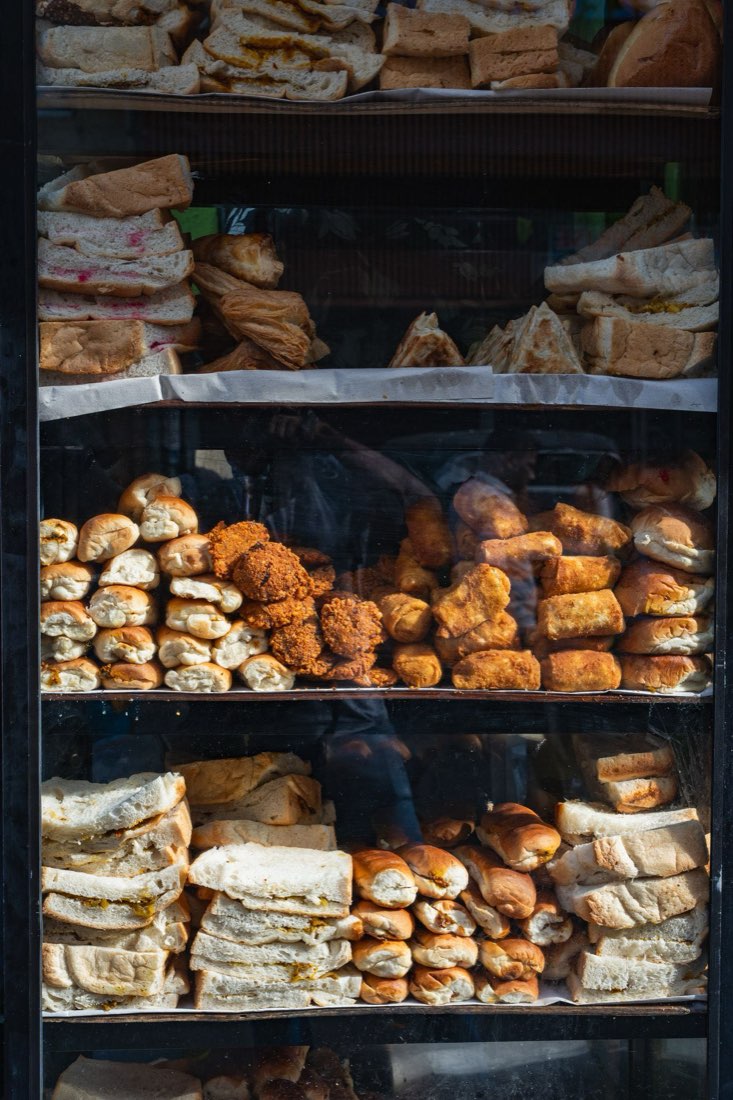
Arugam Bay’s food scene is shaped by two things: the ocean and the season. The east coast fishing boats bring in yellowfin tuna that shows up on every menu in fresh preparations that genuinely justify the order. And the season - May to October - determines whether the beach road strip is alive or shuttered. Eat here during the surf season and you get a relaxed, affordable coastal scene. Arrive in January expecting the same and you will find a near-empty village.
The food culture is also distinctly east coast. The Tamil and Muslim communities that surround Arugam Bay have a cooking tradition different from the south coast Sinhalese style: drier curries, heavier use of tamarind and dried chilli, fish preparations that do not appear on menus further south. The tourist-facing restaurants on the beach road blend this into something more international, but the local version is worth finding.
What to Eat in Arugam Bay
East Coast Tuna Curry
Yellowfin tuna from local boats is the dish that defines eating in Arugam Bay. The Tamil-style curry preparation - coconut milk, green chilli, curry leaves, heavier on tamarind than the southern version - is different from what you find on the west coast. Served at beach restaurants and local canteens alike. A tuna curry with rice at a local spot runs approximately LKR 500–900.
Rice and Curry (Tamil Style)
The east coast style is drier and more intensely spiced than the coconut-heavy southern Sri Lankan version. Jackfruit curry (polos), raw banana curry, drumstick, and bitter gourd appear alongside dhal and coconut sambol. Local canteens just off the beach road serve the full version at approximately LKR 400–700 for a plate.
Devilled Tuna
At the better beach restaurants - Rocko’s and Siam View Hotel particularly - devilled tuna is the preparation to order. Chopped tuna steak with dried chilli, capsicum, and onion, served with rice. More substantial than a grilled steak and better suited to the spicing available here.
Sri Lankan Breakfast
String hoppers, hoppers, and pol roti are available at local tea shops from early morning at approximately LKR 150–300 per plate. These smaller, less tourist-facing spots open well before the beach cafés and are the more authentic starting point for the day. The hoppers are made from the same fermented rice batter used across Sri Lanka - bowl-shaped, crispy at the edges, soft in the centre.
Kottu Roti
The kottu stalls on the beach road fire up from early evening and are the best cheap meal after a late surf session. The sound of the metal irons against the griddle signals they are open. A full kottu with egg, vegetables, and tuna or chicken costs approximately LKR 400–700 and is cooked fresh to order.
Surfer Café Breakfasts
The beach road café culture has produced a reliable breakfast circuit of smoothie bowls, granola with local fruit, eggs in various forms, and coffee that is better than you might expect. Open from around 7:30am. Expect LKR 600–1,200 for a full breakfast at a beach café.
Where to Eat in Arugam Bay
Siam View Hotel
The most established restaurant on the Arugam Bay strip, open to non-guests. Serves a Thai and international menu alongside Sri Lankan dishes - the Thai kitchen has been running long enough to produce food that holds up. Mains from approximately LKR 900–2,000. Popular for dinner; arrive by 7pm to get a table with a view of the bay.
Mambo’s Restaurant
A beachside favourite with a relaxed atmosphere and a menu covering fresh fish, Sri Lankan rice and curry, and Western dishes. The devilled tuna and coconut prawn curry are the best orders here. Mains from approximately LKR 700–1,500. Popular for late lunch after the morning surf session.
Rocko’s Bar and Restaurant
An Arugam Bay institution for those staying more than a few days. The tuna steak with garlic butter is one of the more dependable restaurant dishes here. Good sunset views from the bar. Mains from approximately LKR 800–1,800.
Hideaway Restaurant
A quieter option slightly off the main strip, in a garden setting. Fresh fish, rice and curry, and some Western dishes. Useful for a relaxed lunch or early dinner away from the beach road noise. Mains from approximately LKR 600–1,400.
Local Canteens (Behind the Beach Road)
Just back from the main strip, several canteens serve rice and curry to local residents. These are the cheapest and most authentic eating in Arugam Bay - a full plate costs approximately LKR 350–600. No English menus, but the staff will show you what is in the pots.
Beach Road Kottu Stalls
From early evening, the beach road has active kottu stalls serving egg and tuna kottu for LKR 400–700. These are the best option for a cheap, hot meal after a late session in the water.
Neighbourhood Breakdown
The beach road strip is where almost all tourist-facing eating happens in Arugam Bay. Cafés, restaurants, and bars run from the main junction down to the bay. The northern end of the strip is quieter and usually cheaper; the southern end closer to the surf break has the most activity.
Just off the strip (one block back from the beach road): the local canteens and tea shops that serve the village’s resident population. Cheaper and more representative of the east coast cooking tradition.
Pottuvil town (3km north on the main road): a functioning Sri Lankan market town with tea shops, local rice and curry canteens, and Muslim-owned restaurants. The better option for local food outside the surf season, and year-round for anyone wanting a morning market and breakfast outside the beach road bubble.
Halal and Dietary Notes
The Muslim community in Pottuvil and the surrounding east coast villages has a significant food presence. Muslim-owned restaurants near Pottuvil serve biryani, kottu, and Tamil-style rice and curry in a halal context - worth the short tuk-tuk ride. On the beach road itself, most restaurants are not specifically halal-certified but use fish and vegetable dishes that work for Muslim travellers avoiding pork. Vegetarian eating is easy - the Tamil rice and curry tradition is naturally vegetable-forward and most local canteens have several plant-based curries daily.
Budget Eating
Arugam Bay is one of the cheaper beach destinations in Sri Lanka. Use that advantage:
- Local canteens behind the beach road: LKR 350–600 for a full rice and curry plate
- Tea shop breakfast (string hoppers, pol roti): LKR 150–300
- Kottu stalls on the beach road: LKR 400–700 for a full kottu
- Pottuvil market canteens: comparable to local canteen prices, more variety
The beach road cafés charge a premium for atmosphere - reasonable, but the best eating in Arugam Bay is not necessarily at the most visible restaurants.
Seasonal Note
The food scene is almost entirely seasonal, running May to October. Outside peak season, most beach road restaurants close or operate reduced hours. Pottuvil town has year-round options. Contact your accommodation before arriving outside the season and ask specifically what is open.
Guided Food Experiences
Arugam Bay’s local Tamil and Muslim cooking in Pottuvil town is distinct from the beach-road menu and rarely found by visitors who stay within the surf strip. Guided food tours in Arugam Bay that include the Pottuvil market, a local canteen, and the early-morning fish landing give a genuinely different view of east coast food.
Planning Your Sri Lanka Trip?
- Book tours & activities in Arugam Bay
- Find hotels in Arugam Bay
- Travel insurance for Sri Lanka
- Get a Sri Lanka eSIM
- Find flights to Sri Lanka