Batticaloa: Singing Fish Lagoon, Dutch Fort & Kallady
Batticaloa guide: the Singing Fish lagoon, Kallady Beach, Dutch fort, Tamil kovils, and travel info for Sri Lanka's east coast.
Guides for Batticaloa
Batticaloa is a city in Eastern Province, 313km from Colombo by road - six to seven hours by car or bus, eight to nine by train. It sits on an island formed by the Batticaloa Lagoon and the sea, connected to the mainland by bridges and causeways. The city is predominantly Tamil-speaking, has a strong Hindu culture, and sees a fraction of the tourist traffic that reaches Trincomalee or Arugam Bay, which makes it one of the more genuinely local experiences on the east coast.
The Singing Fish
Batticaloa is known across Sri Lanka for a phenomenon that sounds improbable: the fish in the lagoon make an audible sound on moonlit nights. The effect is best observed from Kallady Bridge during a full moon, with your ear held just below the water’s surface using a paddle or stick as a conductor. Local accounts describe the sound as resembling music - an organ or cello - though what produces it is scientifically debated (hypotheses include bivalves, catfish, or a combination of marine life). The experience is real enough that it has been referenced by colonial-era naturalists and remains part of the city’s identity. Sri Lanka east coast tours include excursions to Batticaloa and other highlights along the coast.
If you want to try it, ask your accommodation about the next full moon date and hire a tuk-tuk to Kallady Bridge after dark.
Batticaloa Lagoon
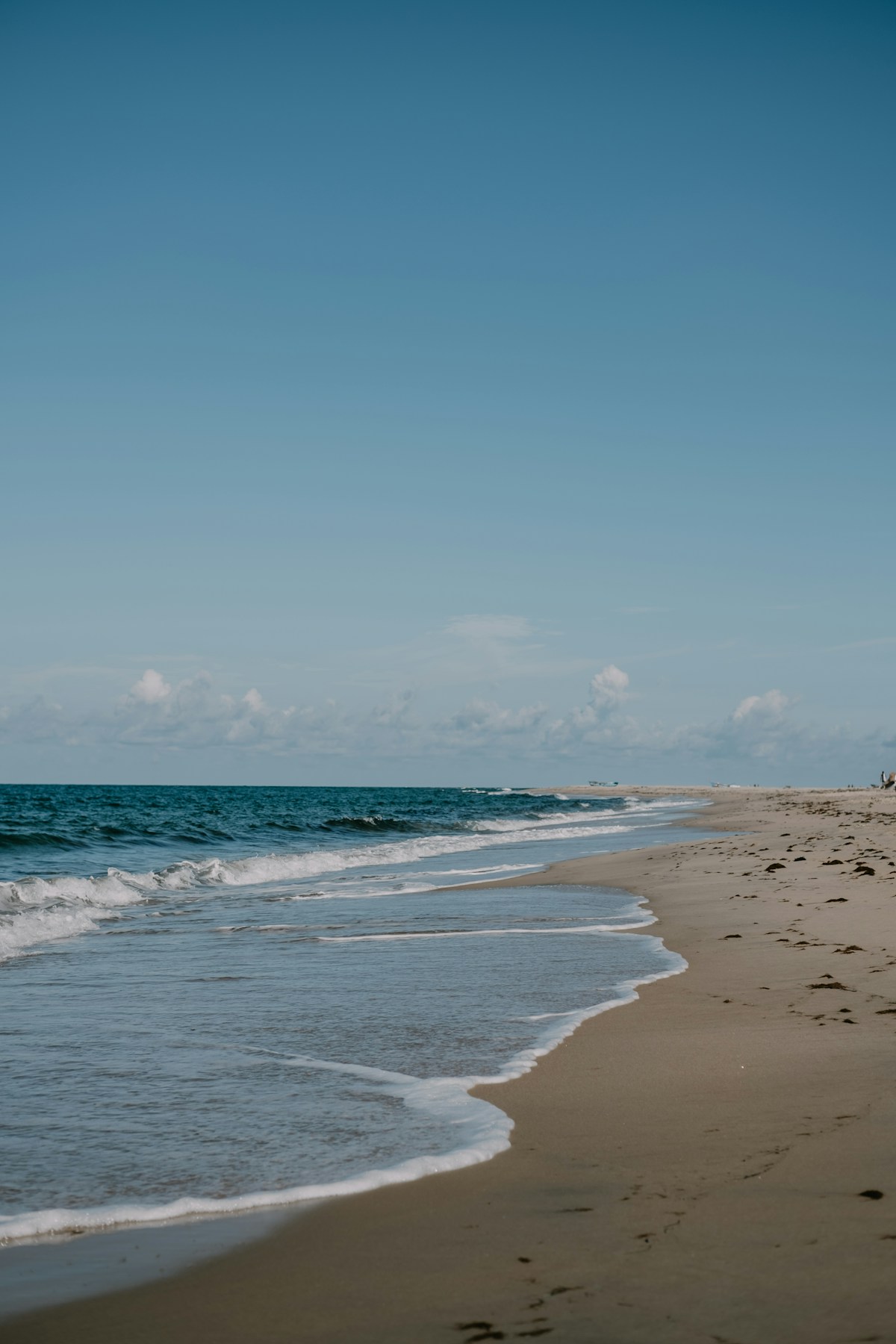
The lagoon is large, calm, and largely undiscovered by visitors. Kallady Bridge gives the best view: lagoon on the western side, open sea on the east. Swimming in the lagoon is possible and safer than the sea-facing beaches, which can have stronger currents. The lagoon-side beach at Kallady is 2km from the city centre and is a popular local spot in the evenings.
Boat trips on the lagoon can be arranged informally from the waterfront - it is not organised tourism, but asking around will usually produce a boat owner willing to take you out.
Batticaloa Fort
The Dutch built this fort in 1628 on the instructions of the Dutch East India Company, replacing an earlier Portuguese structure. It is large and solidly constructed - the walls are largely intact - but the interior now houses government offices and is not open to the public. The fort is worth seeing from the outside; the setting by the water is atmospheric and gives a sense of how the colonial powers used Sri Lanka’s lagoon systems for defence and trade.
Religious Sites
Batticaloa has a concentration of active Hindu kovils (temples) serving the Tamil population. The most significant is Mamangam Pillaiyar Kovil, which draws large numbers during festival periods. Tamil Hindu festivals in Batticaloa are public and often spectacular - street processions with music, decorated elephants, and firewalking are features of the major annual events.
St Mary’s Cathedral (1853) is a large Catholic church reflecting the Portuguese-era conversions that reshaped parts of Tamil culture along the coast. Calvin Dutch Church (1878) reflects the later Protestant presence under Dutch and British rule. Both are active places of worship.
Getting to Batticaloa
By train: The train from Colombo Fort takes eight to nine hours to Batticaloa. Book a reserved seat if travelling during peak periods. The line runs through Habarana and Polonnaruwa, giving reasonable scenery through the dry zone interior.
By bus: Direct buses from Pettah bus terminal in Colombo run throughout the day and night. Journey time six to seven hours; overnight sleeper buses are available.
By road: Colombo to Batticaloa via the A4/A5 corridor takes approximately six hours in light traffic. The road quality has improved significantly since the end of the civil war.
Nearest airport: Batticaloa Airport is a small regional facility with limited scheduled services, primarily operated by domestic carriers including FitsAir and Cinnamon Air. Check schedules before planning around it.
Using Batticaloa as a Base
Batticaloa sits between Trincomalee (100km north) and Arugam Bay (100km south), which makes it a practical mid-point if you are travelling the east coast. It is a quieter and cheaper base than either of the two more tourist-oriented towns, and the lagoon setting has its own appeal. Accommodation options are limited - a handful of guesthouses and budget hotels - but sufficient for a one or two night stop.
The best season mirrors the rest of the east coast: April to September for dry weather and calm seas.
Search hotels in Batticaloa on Booking.com - compare all accommodation options.
More in Batticaloa
Batticaloa is well-placed as a mid-point on an east coast route. Trincomalee is 100km north - the best beaches on the east coast (Uppuveli and Nilaveli) are accessed from there, and whale watching runs from Trinco in season. Arugam Bay is 100km south - Sri Lanka’s main surf destination from April to October. Pasikuda, with its sheltered lagoon beach, is 35km north of Batticaloa. For a route that covers the whole east coast, see the east coast itinerary. The east coast’s best weather runs April to September - check the best time to visit guide for how this interacts with the rest of your Sri Lanka trip.
- Where to Eat in Batticaloa
- Things to Do in Batticaloa
- Where to Stay in Batticaloa
- Trincomalee travel guide
- Arugam Bay travel guide
- East Coast itinerary
Related Guides
- Pasikuda travel guide - 35km north; the sheltered lagoon beach worth adding to the route
- Surfing Arugam Bay guide - the main surf destination 100km south
- Trincomalee vs Arugam Bay - comparing the two main east coast anchors
- Sri Lanka backpacking route - budget east coast circuit
- Hiring a driver in Sri Lanka - useful for the east coast if public transport connections are limited
Frequently Asked Questions
- What is the Singing Fish phenomenon in Batticaloa?
- On moonlit nights, fish in Batticaloa Lagoon make an audible sound - described by locals as resembling an organ or cello. The effect is best observed from Kallady Bridge during a full moon by holding your ear just below the water's surface using a paddle as a conductor. The exact cause is scientifically debated.
- How far is Batticaloa from Colombo and how do I get there?
- Batticaloa is 313km from Colombo - about 6–7 hours by bus or car, and 8–9 hours by train. Direct overnight sleeper buses run from Pettah terminal in Colombo; trains depart from Colombo Fort station passing through Habarana and Polonnaruwa.
- What is Batticaloa Fort?
- A Dutch colonial fort built in 1628 for the Dutch East India Company, replacing an earlier Portuguese structure. The walls are largely intact but the interior now houses government offices and is not open to the public. Worth seeing from the outside for its waterside setting.
- What is the best time of year to visit Batticaloa?
- April to September, mirroring the rest of the east coast. This is the dry season when seas are calm and rainfall is low. The northeast monsoon affects the east coast from around November to March.
- Can Batticaloa be used as a base for the east coast?
- Yes - Batticaloa sits between Trincomalee (100km north) and Arugam Bay (100km south), making it a practical mid-point. It is quieter and cheaper than either town, with a handful of guesthouses and budget hotels sufficient for one or two nights.
- What Hindu temples and religious sites are in Batticaloa?
- The most significant is Mamangam Pillaiyar Kovil, which draws large crowds during festival periods. St Mary's Cathedral (1853) and Calvin Dutch Church (1878) reflect the Portuguese and Dutch colonial religious legacy along the coast.
Book an experience
Top experiences in Batticaloa
Explore the best tours and activities in Batticaloa , with instant confirmation and free cancellation on most bookings.
Planning to visit? Browse hotels in Batticaloa, free cancellation on most bookings.