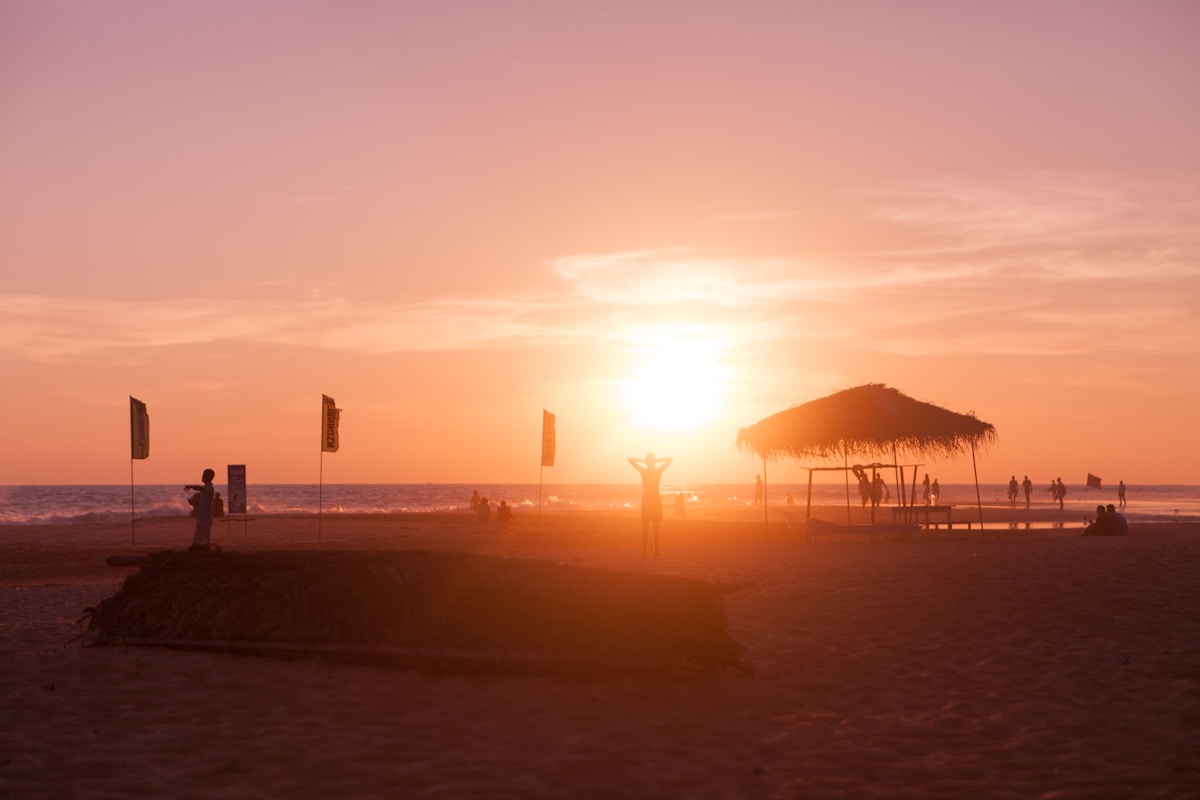
Hikkaduwa: Narigama Surf, Coral Reef and South Coast
Hikkaduwa travel guide: south coast beach town 98km from Colombo with surf at Narigama, coral reef snorkelling, and direct train links to Galle.
Guides for Hikkaduwa
Guided tours and activities in Hikkaduwa - reef snorkelling, diving, surf lessons, and day trips to Galle - are bookable in advance.
Hikkaduwa is a beach town in Galle District, 98km south of Colombo (approximately 2 hours by road) and 21km north of Galle. It was Sri Lanka’s first beach resort destination, developed from the 1970s onward, and remains the most established beach town on the west coast of the south.
The town has a reef, a surf break, a tsunami memorial, a busy beach road, and train links that make it easy to combine with Galle as a base. It is noisier and more commercial than Unawatuna or Mirissa, but offers better transport connections and more direct access to the water.
Reef and Marine Life
Hikkaduwa’s most distinctive feature is the Hikkaduwa Coral Reef Marine Sanctuary - a protected shallow reef that starts 50 metres from the beach. Four resident green sea turtles live on the reef year-round, and snorkelling is possible directly from shore without a boat during the November–April season. Dive centres on the beach road run PADI courses and wreck dives further offshore.
For full detail on snorkelling spots, dive sites, equipment costs, PADI course prices, and turtle hatcheries, see our diving and snorkelling in Hikkaduwa guide.
The Beach
Hikkaduwa’s main beach runs approximately 3km along the shore, from the northern Narigama area (where the surf break is) to the southern end near the reef. The beach is backed by the main road, which is lined with guesthouses, restaurants, dive centres, and shops for its entire length.
The beach road is the defining feature of Hikkaduwa’s character - and its main limitation. It is louder and more commercial than Unawatuna, Mirissa, or Tangalle. The trade-off is convenience: everything is immediately accessible on foot.
Surf: The northern end of the beach at Narigama has a reef break that produces consistent waves for intermediate surfers. Not as reliable as Weligama for beginners but good when it is working.
Tsunami Memorial
The 2004 Indian Ocean tsunami struck Sri Lanka’s south and west coasts with catastrophic force on December 26, 2004. Hikkaduwa was one of the areas badly affected. The Tsunami Honganji Vihara (temple) near the train station was heavily damaged and has been rebuilt as a memorial. A small museum nearby documents the event with photographs and survivor accounts. Entry is free; a respectful visit takes about 20 minutes.
Getting to Hikkaduwa
By Train: The most practical way to reach Hikkaduwa. Colombo Fort to Hikkaduwa: approximately 1.5 hours, running every 1–2 hours throughout the day. Fare: LKR 30–100 depending on class. The station is central to the beach road. Trains from Galle take about 30 minutes.
By Bus: Regular buses on the coastal road from Colombo and Galle. From Colombo: 2–2.5 hours. From Galle: 30–40 minutes.
By Road: Southern Expressway from Colombo to Pinnaduwa, then north on the A2 or inner road. About 2 hours.
When to Go
November to April: Calm seas and the best conditions for the beach and reef. Peak season runs December to March - accommodation is in demand and prices are higher.
May to October: Southwest monsoon. The sea can be rough and conditions for water activities deteriorate. This is the quietest and cheapest period, with significantly lower room rates.
Accommodation
Budget guesthouses dominate, with rooms from $20–50 on the main beach road. Midrange options from $60–100 offer more comfort but essentially the same location. There are no large resorts on the Hikkaduwa beach road.
The main road is noisy - trucks and buses run through it day and night. Properties set slightly back from the road are quieter. Ask about room location when booking.
Search hotels in Hikkaduwa on Booking.com
Practical Notes
- Train from Colombo is significantly easier than road; the station is central and trains are frequent
- Most travellers who prefer quieter beach destinations choose Unawatuna, Mirissa, or Tangalle over Hikkaduwa - but Hikkaduwa is hard to beat for dive access and transport links
- Galle is 21km south and easily combined as a day trip from Hikkaduwa
- ATMs, pharmacies, supermarkets, and dive equipment shops are all available on the main beach road
- The reef is a protected marine area - collecting shells or coral fragments is illegal
More in Hikkaduwa
- Where to Eat in Hikkaduwa
- Day Trips in Hikkaduwa
- Diving & Snorkelling in Hikkaduwa
- Things to Do in Hikkaduwa
- Where to Stay in Hikkaduwa
- Hikkaduwa vs Mirissa
Related Guides
- Snorkelling and diving on the south coast - Hikkaduwa reef, sea turtles, and dive operators
- Scuba diving in Sri Lanka - PADI courses, wrecks, and best dive sites by season
- Galle travel guide - 21km south; Galle Fort, history, and restaurants
- Surfing in Sri Lanka practical guide - Hikkaduwa’s breaks and surf season
- Southern coast itinerary - Hikkaduwa in the logical south coast route
- Best beaches on the south coast - comparing Hikkaduwa, Unawatuna, Mirissa, and Tangalle
Frequently Asked Questions
- How far is Hikkaduwa from Colombo?
- Hikkaduwa is 98km south of Colombo. The train from Colombo Fort takes approximately 1.5 hours (LKR 30–100 depending on class) and runs every 1–2 hours throughout the day. The station is central to the beach road. By road, the journey takes about 2 hours.
- What is the coral reef like in Hikkaduwa?
- The Hikkaduwa Coral Reef Marine Sanctuary starts 50 metres from the beach at 1–3m depth. Four resident green sea turtles live on the reef year-round. See our full diving and snorkelling guide for site details, equipment costs, and dive school options.
- What is the best time to visit Hikkaduwa?
- November to April, when seas are calm and visibility on the reef is good. December to March is peak season. May to October brings the southwest monsoon - the sea is rougher and reef visibility drops. Rates are significantly lower in the off season.
- Is Hikkaduwa good for beginner surfers?
- The northern end of the beach at Narigama has a reef break suited to intermediate surfers, not beginners. For beginner surfing, Weligama (about 35km east) is a better choice with consistently small waves and multiple surf schools.
- What is the Tsunami Memorial in Hikkaduwa?
- The Tsunami Honganji Vihara near the train station was heavily damaged in the 2004 Indian Ocean tsunami and has been rebuilt as a memorial. A small museum nearby documents the event with photographs and survivor accounts. Entry is free and takes about 20 minutes.
- Is the main road in Hikkaduwa noisy at night?
- Yes - trucks and buses run along the main beach road day and night. Properties set slightly back from the road are noticeably quieter. Ask about room location when booking, particularly at budget guesthouses directly on the main strip.
Book an experience
Top experiences in Hikkaduwa
Explore the best tours and activities in Hikkaduwa , with instant confirmation and free cancellation on most bookings.
Planning to visit? Browse hotels in Hikkaduwa, free cancellation on most bookings.