Tangalle, Sri Lanka: Quiet Beaches and Turtle Nesting Guide
Tangalle travel guide: quiet south coast beaches, Rekawa turtle nesting, Bundala flamingos, and Mulgirigala rock temple. 186km from Colombo.
Guides for Tangalle
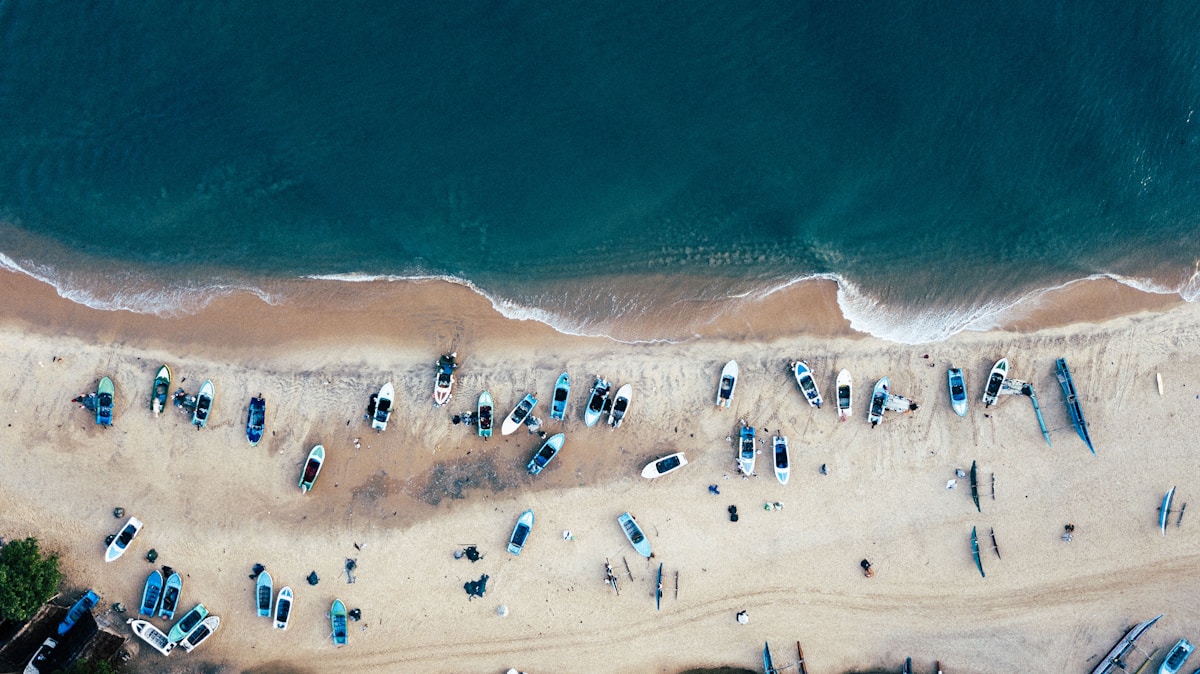
Tangalle is a fishing town and coastal district in Hambantota District, approximately 186km from Colombo (3.5 hours via the Southern Expressway) and 66km east of Galle. It is quieter and less developed than Unawatuna and Mirissa, and is the preferred destination on the south coast for travellers who want beach access without the backpacker infrastructure that has built up around the more established spots.
The town itself (the fishing harbour and market) is a working Sri Lankan settlement. The tourist accommodation is spread across several beaches a few kilometres from the town centre, each with its own character. Guided tours around Tangalle - turtle nesting at Rekawa, Bundala flamingos, and whale watching - are bookable in advance.
Beaches Near Tangalle
Medaketiya Beach
The main resort beach for Tangalle, Medaketiya is a broad stretch of sand backed by casuarina trees and a scattering of guesthouses and small hotels. The water is generally calm and safe for swimming from November to April. It has the most accommodation of any Tangalle beach and is where most visitors base themselves.
Marakolliya Beach
About 3km east of the town centre along a rough road, Marakolliya is longer, less developed, and less visited than Medaketiya. It is excellent for long walks - the beach continues for several kilometres with almost no infrastructure. The sand is coarser and the waves larger than at Medaketiya. Good for solitude; less suitable for families wanting calm water for children.
Tangalle Town Beach
The beach immediately adjacent to the town and fishing harbour. Not the most appealing for swimming - the water near the harbour is not clean - but it gives a view of the fishing fleet and the daily rhythms of the town.
Rekawa Beach - Turtle Nesting Site
Rekawa Beach is 12km west of Tangalle town, a long undeveloped stretch of sand that is one of the primary nesting sites in Sri Lanka for sea turtles. Five species of sea turtle nest on this beach: loggerhead, leatherback, green, hawksbill, and olive ridley. The main nesting season runs from May to September.
The Rekawa Turtle Conservation Project manages guided night walks (from approximately 8pm to midnight depending on activity). Entry is around $15 per person. Groups wait at a distance as turtles come ashore to nest, and guides position visitors carefully to observe without disturbing nesting behaviour. The experience depends on turtle activity that night - nothing is guaranteed, but Rekawa has one of the highest sighting rates of any turtle site on the coast.
Lights and flash photography are prohibited near nesting turtles. The programme is community-run and conservation-focused.
Nearby Attractions
Bundala National Park - 20km east
Bundala is a coastal wetland national park, the first Ramsar wetland site in Sri Lanka, covering 6,216 hectares of lagoons, sand dunes, and scrub forest. It is one of the most important wintering grounds for migratory waterbirds on the south coast, with up to 60,000 birds wintering here annually.
The most dramatic are the greater flamingos, which gather in large flocks at the lagoons from September to March. Bundala also has resident populations of crocodile, deer, and elephant, and is a nesting site for sea turtles.
Entry: approximately $15 USD for foreigners. Jeep safaris are available at the park entrance, and most visitors take a 2–3 hour jeep tour. Birdwatchers should aim for early morning.
Mulgirigala Raja Maha Vihara - 14km north
Mulgirigala is an ancient rock temple complex built on a series of rock outcrops rising 205 metres above the surrounding plain. Caves at different levels of the rock contain ancient murals and reclining Buddha statues, dating from the 1st century BCE. Steps cut into the rock lead from one level to the next, with views over the surrounding lowland forest and paddy.
Entry: approximately LKR 500 for foreigners. Remove shoes at temple level. The site is active as a place of worship - temple monks live here. Morning is the best time to visit, when the light on the rock face is good and it is cooler.
Getting to Tangalle
By Bus: Buses from Galle to Matara and Tangalle run regularly on the coastal route. From Colombo, take a direct intercity express or travel via Galle. The bus station is in Tangalle town, a tuk-tuk ride from the beaches.
By Road: From Colombo via Southern Expressway: take the expressway south toward Hambantota, exit and join the A2 coast road going west to Tangalle. From Galle: take the A2 east approximately 66km, about 1.5 hours.
Practical Notes
- Accommodation is spread across several beaches; confirm location relative to your preferred beach before booking
- The town has a small market, banks with ATMs, and basic shops
- Tuk-tuks connect the town centre with the beaches (LKR 150–300 depending on distance)
- Rekawa turtle tours require booking through the Rekawa Turtle Conservation Project or your guesthouse
- Mobile data is available; coverage is good on the main beaches and in town
- Tangalle is a genuine working fishing town - the fish market operates from early morning and the harbour is active before dawn
Search hotels in Tangalle on Booking.com - compare all options and filter by area, rating, and price.
More in Tangalle
Tangalle sits mid-way along Sri Lanka’s deep south coast, making it a natural base for exploring both the beach towns and the inland wildlife parks. Udawalawe National Park is roughly 90km north - a 1.5 to 2 hour drive, ideal for a morning safari before or after a beach day. Yala National Park is around 50km east of Tangalle via Hambantota - see the Yala safari guide for booking and season advice. Mirissa is 55km west, where whale watching trips depart from November to April. Hiriketiya (25km west) is the nearest surf bay if you want beach with a gentler scene. For the wider south coast route, the southern coast itinerary sequences Galle, Mirissa, Tangalle, Yala, and Udawalawe.
- Where to Eat in Tangalle
- Where to Stay in Tangalle
- Yala National Park Safari
- Udawalawe National Park
- Southern Coast Itinerary
Related Guides
- Sri Lanka safari comparison guide - Yala vs Udawalawe vs Wilpattu vs Minneriya
- Whale watching in Mirissa - 55km west; blue whale tours November to April
- Hiriketiya travel guide - 25km west; the bay recommended for quieter surf
- Best beaches on the south coast - Tangalle compared to Mirissa, Unawatuna, and Hiriketiya
- Sri Lanka honeymoon itinerary - Tangalle’s quiet beaches are a popular honeymoon choice
- Best time to visit Sri Lanka - south coast weather patterns and turtle nesting season
Frequently Asked Questions
- How far is Tangalle from Colombo?
- Tangalle is approximately 186km from Colombo - about 3.5 hours via the Southern Expressway. From Galle, it is 66km east on the A2 coastal road, roughly 1.5 hours.
- What are the best beaches near Tangalle?
- Medaketiya Beach is the main resort beach with calm water and good swimming from November to April. Marakolliya Beach, 3km east, is longer, less developed, and better for solitude. Rekawa Beach, 12km west, is a turtle nesting site rather than a swimming beach.
- Can you see sea turtles at Tangalle?
- Yes - Rekawa Beach, 12km west of Tangalle, is one of Sri Lanka's primary turtle nesting sites. Five species nest here. The Rekawa Turtle Conservation Project runs guided night walks from approximately 8pm; entry is around $15. The main nesting season is May to September.
- What is Bundala National Park near Tangalle?
- Bundala is a coastal wetland national park 20km east of Tangalle and Sri Lanka's first Ramsar wetland site. It is best known for greater flamingos, which gather in large flocks from September to March. Entry costs approximately $15; jeep safaris are available at the park entrance.
- Is Tangalle good for families?
- Tangalle suits families who want a quieter beach without the crowds of Unawatuna or Mirissa. Medaketiya Beach has calm water suitable for children during the November–April season. Facilities are basic compared to more developed south coast destinations.
- What is the Mulgirigala rock temple near Tangalle?
- Mulgirigala Raja Maha Vihara is an ancient rock temple complex 14km north of Tangalle, built on outcrops rising 205 metres above the plain. Cave temples at different levels contain ancient murals and reclining Buddha statues dating from the 1st century BCE. Entry is approximately LKR 500 for foreigners.
Book an experience
Top experiences in Tangalle
Explore the best tours and activities in Tangalle , with instant confirmation and free cancellation on most bookings.
Planning to visit? Browse hotels in Tangalle, free cancellation on most bookings.