Kandy Esala Perahera: Sri Lanka's Greatest Festival
Book an experience
Book this activity
These are the top-rated activities for this area — book ahead to lock in your preferred date.
The Esala Perahera is Sri Lanka’s most important and most visually spectacular festival — a procession of elephants, drummers, dancers, torch-bearers, and sacred relics that fills the streets of Kandy for ten consecutive nights each July or August. It is one of the oldest continuously held Buddhist festivals in the world, dating in its current form to the 18th century.
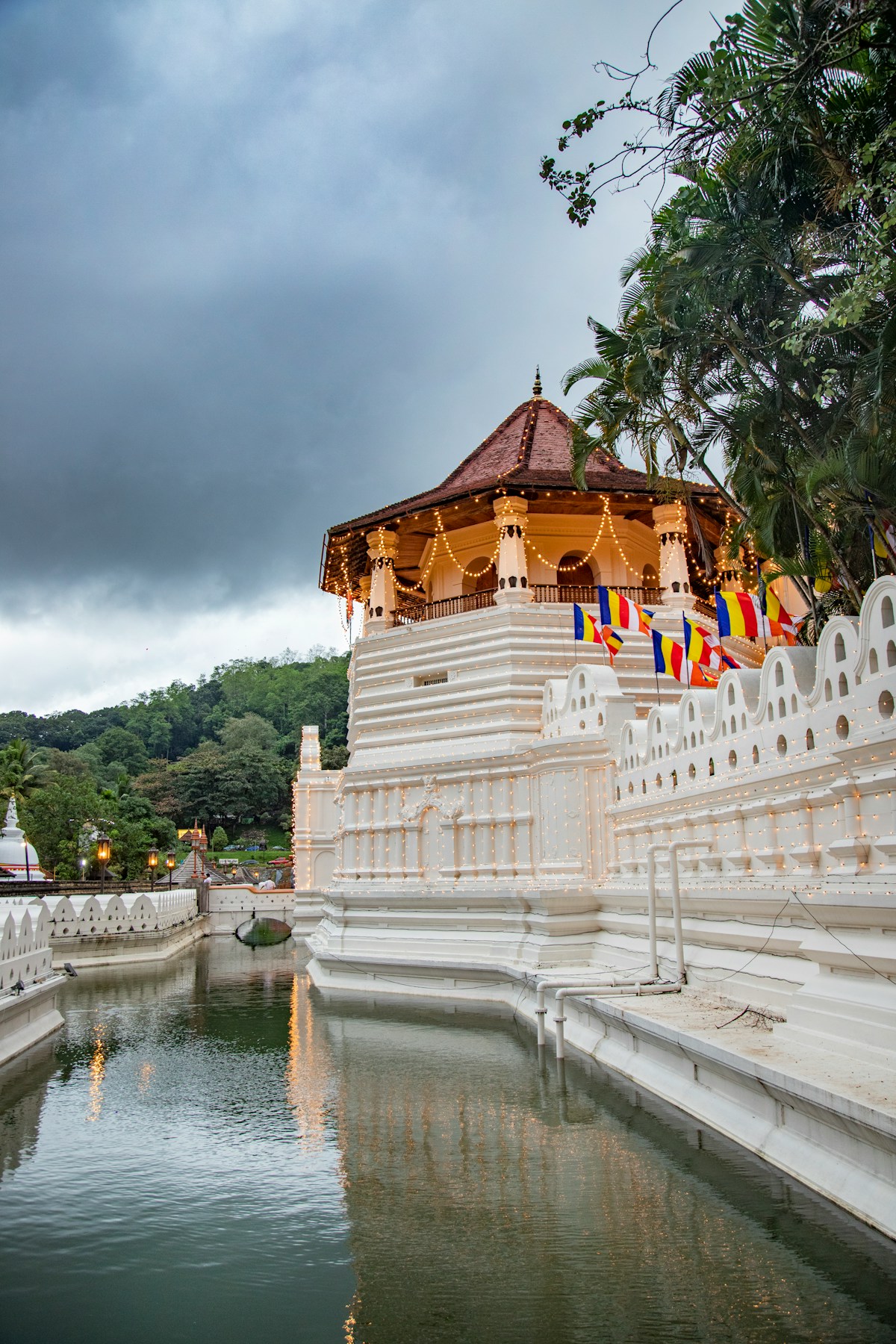
The centrepiece is a casket containing the Sacred Tooth Relic of the Buddha, housed in Kandy’s Temple of the Tooth (Sri Dalada Maligawa) and carried on the back of the Maligawa Tusker — a single, specially selected elephant — through the city streets. Tens of thousands of pilgrims and tourists line the route on each night of the procession.
What the Perahera Is
The procession combines four temple devale (Hindu shrines) and the Dalada Maligawa in a joint procession. It is a Buddhist and Hindu ceremony simultaneously — reflecting Kandy’s syncretised religious heritage. Each devale sends its own processional group, and the Maligawa procession is the final and most elaborate section.
Each night’s procession includes:
- Fire dancers and acrobats: leading the procession with torches, swords, and fire-breathing
- Traditional dancers: Kandyan dancers in elaborate headdresses performing the ves and vannam styles; Udarata, Pahatharata, and Sabaragamu regional dance forms
- Drummers: multiple ensembles playing yak beraya and geta beraya (different Kandyan drum styles); the sound is relentless and immersive
- Elephants: typically 50–100 elephants per night, caparisoned in embroidered cloth and lit by electric candelabras mounted on their backs. The Maligawa Tusker carries the golden casket under a white canopy at the procession’s climax
- Whip-crackers: men walking in front of each elephant cracking long whips — a traditional means of clearing the path
- Torch-bearers: hundreds of men carrying coconut-shell oil torches that line the route and escort each processional group
The full procession takes 2–3 hours to pass any given viewing point.
When It Takes Place
The Esala Perahera runs for ten nights in the month of Esala (July–August), culminating on the Nikini full moon. The dates change each year according to the lunar calendar:
- 2025: approximately 25 July–3 August (confirm with official sources as dates are announced annually)
- 2026: approximately 14–23 August (check Sri Lanka Tourism official calendar for confirmation)
The procession builds in scale over the ten nights. The first five nights (the Kumbal Perahera) are smaller; the final five nights (the Randoli Perahera) are the full procession. The last two or three nights are the most spectacular and most attended.
Viewing Options
Street viewing (free): the procession route runs through central Kandy via Dalada Veediya (Temple Street) and surrounding roads. Street viewing is free but requires arriving 2–3 hours early to get a good position on the barriers. Standing in a crowd for 3+ hours is the norm. Bring water.
Grandstand seats: numbered seats in temporary grandstands erected along the route. Ticket price: LKR 1,500–5,000 depending on location and night (final nights command premium prices). Grandstand seats are purchased through the Kandy Tourist Information Centre or authorised ticket sellers; book at least a week ahead for the final nights. Seats are covered and positioned at optimal viewing height.
Hotel balconies and terraces: several hotels on the procession route offer balcony viewing, either as part of a dinner package or as purchased viewing access. This is the most comfortable option and avoids the crowd completely. Prices: $30–100 per person for dinner + viewing packages. Book months ahead for the final nights — these sell out.
Rooftop dining packages: several restaurants above ground level along the route offer the same experience. Check what’s included — some packages include a buffet dinner; others are viewing-only.
Practical Considerations
Crowds: the final nights draw crowds of 50,000–100,000 people into Kandy’s relatively small city centre. Traffic in and out of the city is extremely congested — plan to arrive in Kandy hours before the procession starts, or stay overnight.
Photography: long lenses (200–400mm) produce better elephant portraits and dancer detail from street level. Flash photography is generally not permitted near the sacred relic casket — it disturbs the Maligawa Tusker. Many photographers use high ISO and stabilised lenses. Tripods are impractical in the crowd.
Elephants: the use of elephants in the Perahera is not without controversy. Some of the elephants used in the procession have been the subject of animal welfare concerns — including the well-documented case of Tikiri, a visibly emaciated elderly elephant filmed at the 2019 procession. The festival organisers have addressed this publicly in subsequent years, but it remains a point of debate. Each visitor can make their own judgement.
Accommodation in Kandy: book months in advance if attending the Perahera. Kandy fills completely for the final nights. Rates increase significantly during the festival period.
Day Perahera and Diya Kepeema
On the morning after the final night, the Diya Kepeema (water-cutting ceremony) takes place at the Mahaweli River. The perahera procession walks to the river, where a ritual cutting of the water closes the festival. This daylight ceremony is smaller but easier to photograph and attend without the night crowd.
Getting to Kandy During Perahera
Train from Colombo: the Kandy line runs frequently; book reserved seats in advance as trains fill during festival nights. Journey time: 2.5–3 hours.
Private vehicle: allow significantly more time than usual for the final 10km into Kandy due to road closures and traffic management during procession nights.
Frequently Asked Questions
- When is the Kandy Esala Perahera in 2026?
- The 2026 Perahera is expected to run approximately 14–23 August, culminating on the Nikini full moon. Dates change annually according to the lunar calendar — check the Sri Lanka Tourism official calendar for confirmation closer to the time.
- Which nights of the Perahera are worth attending?
- The final five nights (the Randoli Perahera) are the full procession. The last two or three nights are the most spectacular and most attended. The first five nights (the Kumbal Perahera) are smaller but still impressive and much less crowded.
- How do I get a good viewing spot for the Kandy Perahera?
- Street viewing is free but requires arriving 2–3 hours early to secure a position at the barriers. Grandstand seats (LKR 1,500–5,000) are more comfortable and at optimal height — book at least a week ahead for the final nights. Hotel balcony packages (around $30–100 per person) are the most comfortable option and sell out months in advance.
- How many elephants are in the Kandy Esala Perahera?
- Typically 50–100 elephants appear each night, caparisoned in embroidered cloth and lit by electric candelabras. The Maligawa Tusker carries the sacred golden casket at the climax of the procession.
- How do I get to Kandy for the Perahera?
- Train from Colombo takes 2.5–3 hours — book reserved seats in advance as trains fill during festival nights. By private vehicle, allow significantly more time than usual for the final 10km into Kandy due to road closures and traffic management.
- Should I book accommodation in advance for the Kandy Perahera?
- Yes — book months in advance. Kandy fills completely for the final nights of the festival and hotel rates increase significantly during the Perahera period. This applies to all accommodation types, including hotels on the procession route.
Ready to explore?
Browse hundreds of tours and activities. Book securely with free cancellation on most options.
Browse on GetYourGuide →We may earn a small commission — at no extra cost to you.