Surfing Arugam Bay: Sri Lanka's Best Surf Destination
Book an experience
Book this activity
These are the top-rated activities for this area — book ahead to lock in your preferred date.
Arugam Bay on Sri Lanka’s east coast is the country’s best-known surf destination and one of Asia’s better point breaks. The main break — Arugam Bay Main Point, often called simply “A-Bay” — is a right-hander that can produce long, peeling waves in good conditions. It works best from May to October when the southwest monsoon generates swell on the east coast.
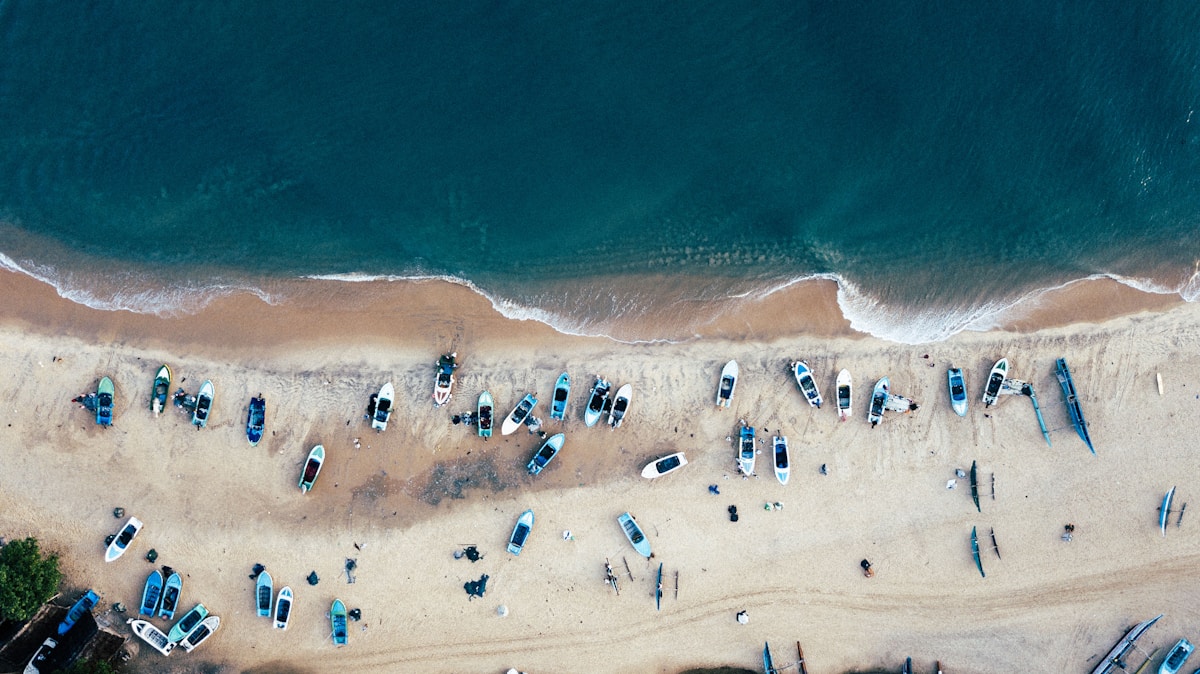
The bay itself is small, low-key, and has been a backpacker surf destination since the 1980s. Facilities are basic but functional: surf schools, board rental, plenty of guesthouses, and a strip of restaurants along the beach road.
The Main Break
Arugam Bay Main Point is the headline act. The wave breaks over a sand and rock bottom at the south end of the bay, producing long right-hand rides of 50–150 metres in good conditions. It is best at mid to high tide. The wave is consistent for a point break — on a good day in June–August it can run for several hundred metres.
Difficulty: intermediate to advanced in larger swell (overhead+); beginners can paddle out in the smaller inside sections when swell is under 1 metre. The point gets crowded during peak season — early morning sessions are significantly less congested than mid-day.
Skill level: the main break rewards surfers with solid paddling and the ability to read lines on a peeling right. Beginners should use the beginner beach break section to the right of the main point, not the point itself.
Other Surf Spots Near Arugam Bay
Pottuvil Point: 4km north of the main bay. A more powerful right-hander that breaks over a rocky reef and works in larger swell. Considered the best wave in the area when it’s on. Intermediate to advanced. Gets hollow and fast in the right conditions. Requires tuk-tuk or bicycle from the main bay.
Whisky Point: 5km south. A smaller, mellower right-hander that suits intermediate surfers. Less consistent than the main point but less crowded. Good option when the main break is maxing out.
Elephant Rock: further south, near Okanda. A more remote spot that works in large swell. Rarely surfed — access requires a vehicle and knowledge of the track. The area around Kumana National Park to the south makes for a worthwhile detour regardless.
Crocodile Rock / Panama: multiple peaks south of A-Bay near the village of Panama. Beachbreak and reef options for exploratory surfers willing to hire a driver.
Surf Season
The east coast surf season runs from April to October, driven by the southwest monsoon pushing swell around the bottom of the island and up the east coast. June, July, and August are the most consistent months. September sees swell tapering.
Outside season (November–March): the northeast monsoon sends swell to the west coast (Weligama, Hikkaduwa, Unawatuna). Arugam Bay is flat, wet, and many businesses close. The road to the bay can be difficult in the height of the northeast monsoon.
Surf Schools and Lessons
Several surf schools operate from the beach, mostly between May and October. Most offer:
- 2-hour beginner lessons: approximately LKR 3,000–5,000 ($10–17)
- Full-day beginner packages: LKR 8,000–12,000
- Equipment included; instructors take beginners to the sheltered beach break section
For intermediates wanting coaching on the main point, some instructors offer in-water sessions focused on positioning and wave selection. These are worth booking in advance during peak months.
Board Hire
Board rental is widely available from guesthouses and beach shacks:
- Shortboard / fish: LKR 1,500–2,500/day
- Longboard: LKR 2,000–3,500/day
- Softboard (foam): LKR 1,000–1,500/day for lessons/beginners
Bring your own fins if you’re particular — rental boards are often well-used and fin boxes vary.
Accommodation and Logistics
Almost all accommodation in Arugam Bay is beach-road guesthouses, small hotels, and bungalows within easy walking distance of the main break. The bay is small enough that nowhere is more than 10 minutes on foot from the water.
The standard stay is 4–7 nights: enough time to get consistent sessions across different tides and conditions. Arrive with a few days’ buffer in case swell is inconsistent on arrival.
Getting there: Arugam Bay is approximately 320km from Colombo (7–8 hours by road) and 110km from Batticaloa. The nearest large town is Ampara (30km west). Most travellers come by private vehicle, bus to Siyambalanduwa then tuk-tuk, or overnight bus from Colombo. No train.
Practical Notes
- Wax: bring your own or buy from surf shops in town (tropical wax — Sexwax or similar)
- Reef cuts: the point breaks over rock in sections; reef booties are useful for beginners scrambling in and out
- Sun: equatorial sun is intense. Long sleeve rash vest strongly recommended; reapply sunscreen every session
- Crowds: peak season (July–August) the main point gets busy by 9am. Paddle out before 7am for the best waves and more space
- Jellyfish: occasional presence in the bay, particularly in May and October. Not usually a significant problem but ask locally before each session
Frequently Asked Questions
- When is the surf season at Arugam Bay?
- The east coast surf season runs April to October, driven by the southwest monsoon. June, July, and August are the most consistent months. Outside this window Arugam Bay is flat and many businesses close.
- Is Arugam Bay suitable for beginner surfers?
- Beginners should use the sheltered beach break section to the right of the main point — not the main break itself, which suits intermediate to advanced surfers. Several surf schools run 2-hour beginner lessons for approximately LKR 3,000–5,000.
- What is the best surf spot near Arugam Bay for experienced surfers?
- Pottuvil Point, 4km north of the bay, is considered the best wave in the area when it's on — a powerful right-hander breaking over a rocky reef that gets hollow and fast in the right conditions. Intermediate to advanced only.
- How much does board hire cost at Arugam Bay?
- Shortboards and fish boards rent for LKR 1,500–2,500 per day; longboards LKR 2,000–3,500; foam softboards LKR 1,000–1,500. Equipment is available from guesthouses and beach shacks throughout the bay.
- How do I get to Arugam Bay from Colombo?
- Arugam Bay is approximately 320km from Colombo — 7–8 hours by road. Most travellers come by private vehicle, overnight bus from Colombo, or bus to Siyambalanduwa then a tuk-tuk for the final stretch. There is no train to Arugam Bay.
- How crowded does Arugam Bay main point get during peak season?
- During peak season (July–August) the main point gets busy by 9am. Paddling out before 7am gives significantly better waves and more space. The bay is a well-established destination — early mornings are the best way to avoid crowds.
Ready to explore?
Browse hundreds of tours and activities. Book securely with free cancellation on most options.
Browse on GetYourGuide →We may earn a small commission — at no extra cost to you.