Udawalawe National Park: Safari Guide and Elephant Sightings
Book an experience
Book this activity
These are the top-rated activities for this area — book ahead to lock in your preferred date.
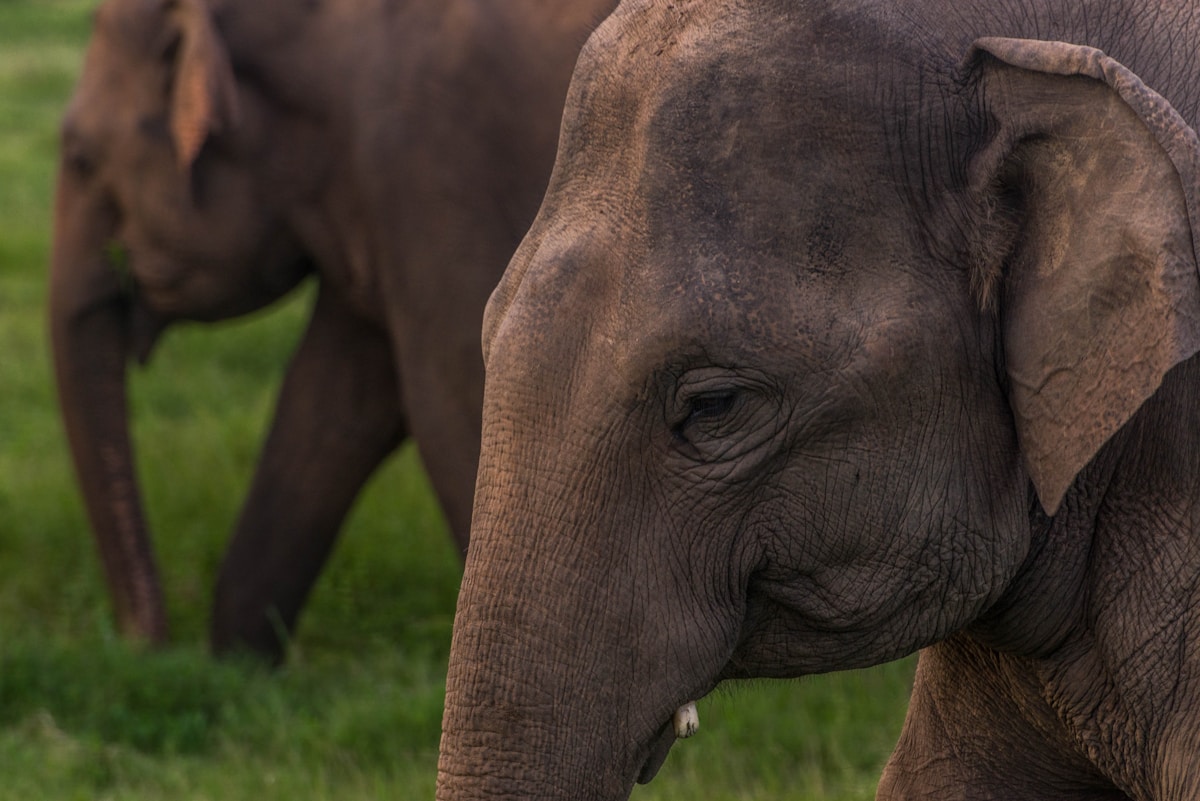
Udawalawe National Park in southern Sri Lanka is the country’s best destination for elephant watching. Unlike Yala, which draws visitors primarily for leopards during a defined dry season, Udawalawe is productive year-round — and elephant sightings on any given safari approach certainty rather than possibility.
Why Udawalawe Is Different
The park sits around the Udawalawe Reservoir, a permanent water source that sustains a large, stable elephant population throughout the year. With an estimated 350–400 elephants living within the park’s 30,821 hectares, Udawalawe has one of the highest elephant densities in Asia. Because the water doesn’t disappear in the dry season, the herd doesn’t disperse or migrate — you find elephants here in January as reliably as in July.
This is the core distinction from Yala: Yala offers a shot at leopards in an unpredictable, seasonal game drive; Udawalawe offers a near-certain elephant encounter any month of the year.
What Else Lives Here
Udawalawe’s open savannah and scrub forest support a wider range of wildlife than its elephant-focused reputation suggests:
- Water buffalo: large herds are common and often seen wallowing near water
- Mugger crocodiles: present at the reservoir and most water bodies
- Spotted deer and sambar: very common throughout
- Sri Lanka junglefowl: the national bird; frequently seen in scrubland
- Open-billed storks, painted storks, and herons: the reservoir edges are excellent for wading birds
- Jackals: active in early morning and at dusk
- Leopards: present but sightings are infrequent — this is not Yala’s Block 1
Udawalawe vs Yala: Which to Choose
Both parks are worth visiting if you have time. If you’re choosing one:
Choose Udawalawe if you want reliable elephant sightings, are visiting outside the Yala dry season (November–May), or have young children for whom guaranteed sightings matter more than the lottery of a leopard hunt.
Choose Yala if leopards are the priority and you’re visiting between June and October during the dry season when Block 1 is productive.
Many itineraries through the south combine both parks, as they’re roughly 2.5 hours apart.
How Safaris Work
Entry to Udawalawe requires a licensed jeep and guide — self-drive is not permitted. Safari operators are based at the park entrance near Embilipitiya. Most visitors take a half-day drive (3–4 hours), either a morning session (usually 6am–10am) or an afternoon session (3pm–6:30pm). Morning drives generally produce more activity, particularly early light on the reservoir.
Full-day drives are available but not significantly more productive than two separate half-days.
Costs
- Park entry fee: approximately USD 15 per person (payable in USD or equivalent LKR)
- Jeep hire: LKR 8,000–12,000 for a half-day (typically split between 4–6 passengers)
- Guide tip: LKR 500–1,000 is standard for a good guide
Book jeep hire through your accommodation or directly at the park entrance. During peak season (December–January) booking ahead is advisable; the rest of the year walk-ups are usually available.
Elephant Transit Home
Adjacent to the national park is the Udawalawe Elephant Transit Home, an orphanage run by the Department of Wildlife Conservation. It rehabilitates young elephants found abandoned or injured in the wild with the goal of releasing them back into the park — not into captivity.
Feeding times (6am, 9am, 12pm, 3pm, 6pm) draw large crowds and the facility is heavily visited. It is not a zoo or a sanctuary in the tourist sense; interactions with elephants are not offered and the animals are kept at a distance. Views of feedings are through a fence from a public area. Whether to visit is a personal decision — the conservation mission is legitimate, but the volume of visitors creates a commercial atmosphere around what is genuinely a welfare operation.
Getting There
- From Colombo: approximately 4.5 hours by car or bus south via the Southern Expressway, then inland
- From Galle: approximately 2.5 hours northeast
- From Ella: approximately 1.5 hours west — Udawalawe is a natural stop on the Ella-to-south-coast route
The nearest base town is Embilipitiya, which has a range of accommodation. Several guesthouses also operate immediately near the park entrance, which saves travel time for early morning drives.
Best Time to Visit
Udawalawe is genuinely good year-round. The dry season (June–September) concentrates animals near the reservoir as other water sources dry up, making sightings even more reliable during these months. The wet season does not shut the park — drives continue, and elephant behaviour near water can be particularly active after rain.
Frequently Asked Questions
- Is Udawalawe or Yala better for a safari in Sri Lanka?
- Choose Udawalawe for near-certain elephant sightings year-round, especially if visiting outside the Yala dry season (November–May) or travelling with young children. Choose Yala if leopards are the priority and you're visiting June to October when Block 1 is productive.
- Are elephant sightings guaranteed at Udawalawe National Park?
- They approach certainty. An estimated 350–400 elephants live within the park's 30,821 hectares year-round, sustained by the permanent Udawalawe Reservoir. Unlike seasonal parks, the herd doesn't disperse — you find elephants reliably in January as much as in July.
- How much does a safari at Udawalawe National Park cost?
- Park entry is approximately USD $15 per person. Jeep hire costs LKR 8,000–12,000 for a half-day, typically split between 4–6 passengers. A guide tip of LKR 500–1,000 is standard. Total per person in a group of four to six works out to roughly $25–40.
- What time are safaris at Udawalawe, and which is better — morning or afternoon?
- Morning drives depart around 6am and run to 10am; afternoon drives run 3pm to 6:30pm. Morning drives generally produce more wildlife activity, particularly early light on the reservoir. Both half-day sessions are productive for elephant sightings.
- What is the Udawalawe Elephant Transit Home?
- The Elephant Transit Home is an orphanage adjacent to the national park, run by the Department of Wildlife Conservation. It rehabilitates young elephants found abandoned in the wild with the goal of releasing them back into the park — not into captivity. Feeding times (6am, 9am, 12pm, 3pm, 6pm) are viewable from a public area, but hands-on interactions with the elephants are not offered.
- How do I get to Udawalawe from Ella?
- Udawalawe is approximately 1.5 hours west of Ella by car, making it a natural stop on the Ella-to-south-coast route. From Colombo it's about 4.5 hours via the Southern Expressway; from Galle approximately 2.5 hours northeast.
Ready to explore?
Browse hundreds of tours and activities. Book securely with free cancellation on most options.
Browse on GetYourGuide →We may earn a small commission — at no extra cost to you.