Yala National Park Safari: Leopards, Elephants and Sri Lanka's Wildlife
Book an experience
Book this activity
These are the top-rated activities for this area — book ahead to lock in your preferred date.
Yala National Park in the Southern Province is Sri Lanka’s most visited national park — and the second largest. It holds one of the highest densities of leopards per square kilometre in the world, which makes leopard sightings here more reliable than almost anywhere else on earth. Alongside leopards, Yala supports large elephant herds, sloth bears, water buffalo, crocodiles, and over 200 bird species.
The Leopards
Yala’s leopard population in Block 1 (the most visited section) is genuinely dense — estimates range from 30–40 leopards in a relatively compact area. Unlike many leopard destinations where sightings are rare and fleeting, Yala’s leopards have become accustomed to safari jeeps and are often seen in open country or resting in trees during daylight hours. Sighting rates in Block 1 during the dry season (June–October) run at 60–80% on morning drives; experienced guides with local knowledge push that higher.
This doesn’t mean every safari produces a leopard sighting — it means the odds are significantly better here than elsewhere.
Other Wildlife
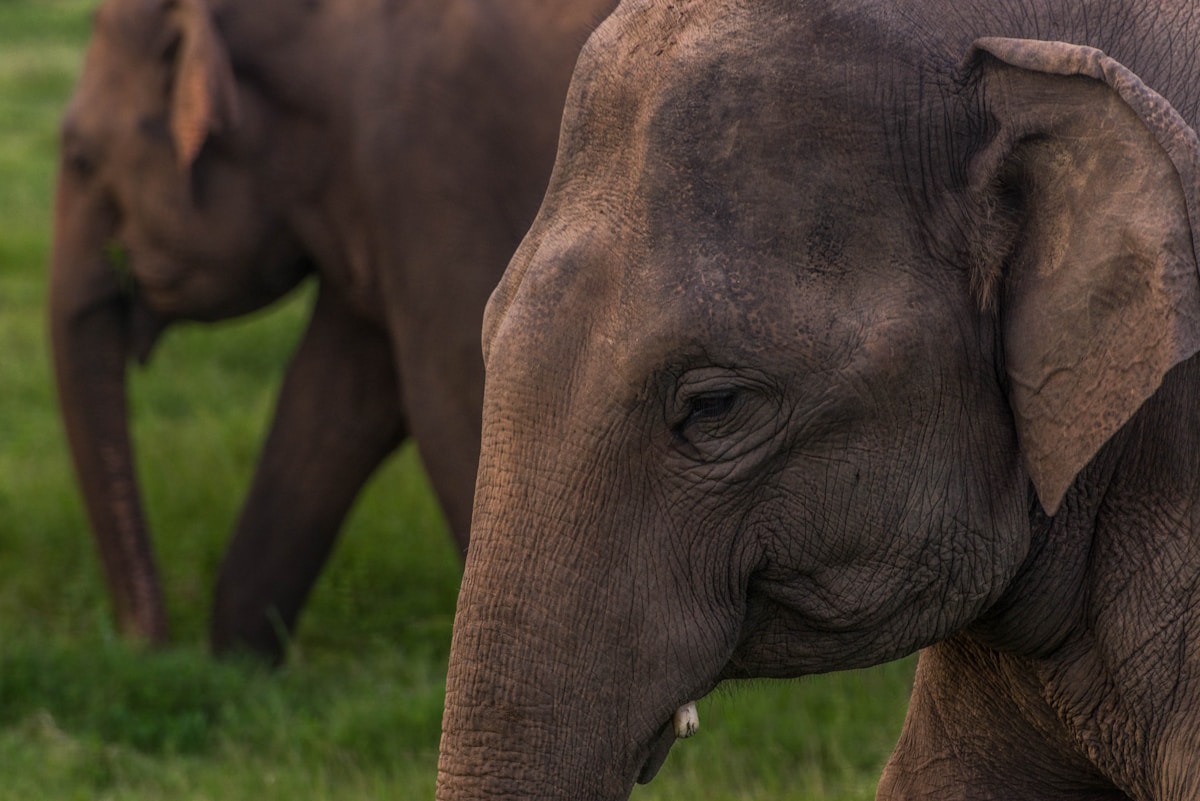
Sri Lankan elephants: herds of 20–100 animals gather at water sources during the dry season. Yala’s elephants are wild and generally unhabituated — encounters can be close but require respectful distances.
Sloth bears: nocturnal but occasionally seen in the early morning. Yala has a reasonable population; sightings require luck and a good guide.
Mugger crocodiles: present at almost every water body. Large adults are common.
Water buffalo: large herds throughout the park. Impressive in size.
Birds: 215 species recorded, including painted storks, black-necked storks, several raptor species, peacocks (wild, not decorative), and Sri Lanka’s endemic species including the Sri Lanka junglefowl (national bird).
When to Go
Best season: June to October (dry season). The lack of rain concentrates animals around permanent water sources — lakes, tanks, and rivers. This makes them easier to find and observe. Game drives in September and October can yield multiple elephant herds, leopards, and crocodiles within a few hours.
October: often considered the single best month — still dry, elephant numbers peak at certain water bodies, and vegetation is lower after the long dry period.
November–January: northeast monsoon brings rain to the east and north, but Yala itself is in the south and receives less. Sightings remain possible but tracking becomes harder in wet vegetation.
Avoid: April–May, when Block 1 is officially closed for the monsoon break (check current dates — closure periods vary by year).
How Safaris Work
All visitors to Yala National Park must be in a licensed jeep with a registered guide. Entry in your own vehicle or on foot is not permitted.
Half-day game drives: typically depart at 5:30–6am (morning drive, 3–4 hours) or 2–3pm (afternoon drive, 3–4 hours). Morning drives generally produce better sightings.
Full-day safaris: enter at opening and stay through the heat of the day. Animals rest during midday, so this is less efficient than two half-day drives. Occasionally offered.
Jeep types: open-sided 4WD jeeps with roof racks for standing and better sightlines. Most seat 6–8 passengers.
Cost
Entry fees (foreigners, Block 1):
- Park entry: approximately USD $15 per person
- Service levy: USD $8 per person
- Jeep hire: LKR 8,000–15,000 per jeep (split among all passengers)
- Guide: included with licensed jeep hire
Total cost per person for a morning drive: roughly $35–60 depending on group size and operator.
Booking through your accommodation in Tissamaharama is the standard approach. Prices don’t vary dramatically between operators, but guide quality does — ask your guesthouse which local guides consistently find leopards.
Getting There
The main entry point to Block 1 is via Palatupana, 12km from Tissamaharama (Tissa) — the base town for most visitors. Tissa is approximately:
- 295km from Colombo (5–6 hrs)
- 100km from Galle (2 hrs)
- 50km from Tangalle (1 hr)
Most travellers base themselves in Tissa, do morning and/or afternoon drives, then move on the next day. One full day with two drives gives you a very good chance of seeing leopards.
Block 1 vs Block 2
Block 1 (the eastern section, closest to the sea) is where the vast majority of safari jeeps operate. It has the densest wildlife and the best infrastructure. Block 2 is less visited and offers a quieter experience but lower sighting rates. Blocks 3, 4, and 5 are restricted zones open only to researchers.
Practical Notes
- Book safaris the evening before at your guesthouse in Tissa; early-morning departures require pre-arrangement
- Wear neutral colours (khaki, olive, grey) — bright colours aren’t prohibited but are not ideal
- Carry water and sun protection — jeeps offer no shade when stationary
- Don’t stand on the jeep roof when elephants are close — several accidents have occurred
- Respect guide instructions at all times — wildlife encounters can be unpredictable
Frequently Asked Questions
- What are the chances of seeing a leopard at Yala National Park?
- Yala Block 1 has one of the highest leopard densities in the world — estimates put 30–40 leopards in a compact area. During the dry season (June–October), morning drive sighting rates run at 60–80% with an experienced guide. Outside the dry season the odds are lower but still better than most leopard destinations globally. No sighting is guaranteed.
- What is the best time to visit Yala National Park?
- June to October (dry season) is the best time. Animals concentrate around permanent water sources as the surrounding bush dries out, making them easier to locate. October is often considered the single best month — elephants peak at certain water bodies and vegetation is low. Block 1 is typically closed April–May for the monsoon break; confirm current dates before planning around this window.
- How much does a Yala safari cost?
- For foreigners in Block 1: park entry is approximately USD $15 per person, plus a service levy of USD $8 per person. Jeep hire costs LKR 8,000–15,000 per jeep (not per person) and includes a licensed guide. Split across a group of 4–6, the total per person for a morning drive works out to roughly $35–60. Book through your guesthouse in Tissamaharama.
- How far is Yala National Park from Colombo and Galle?
- Yala's Block 1 entrance at Palatupana is approximately 295km from Colombo (5–6 hours by road) and 100km from Galle (around 2 hours). The base town is Tissamaharama, 12km from the park entrance. Most travellers coming from the south coast route through Galle or Tangalle and base themselves in Tissa for one or two nights.
- Is a morning or afternoon safari better at Yala?
- Morning safaris, departing at 5:30–6am, generally produce better sightings. Animals are more active in the cooler early hours and leopards in particular are more visible before the heat of the day. Afternoon drives (departing 2–3pm) can be productive, especially for elephants gathering at water sources, but overall morning drives outperform them. One morning drive gives a strong chance of a leopard sighting with a good guide.
Ready to explore?
Browse hundreds of tours and activities. Book securely with free cancellation on most options.
Browse on GetYourGuide →We may earn a small commission — at no extra cost to you.