Search hotels in Batticaloa on Booking.com
Batticaloa is not a beach resort town in the conventional sense. People who end up here tend to be doing the east coast properly - travelling between Trincomalee in the north and Arugam Bay in the south - or they are specifically curious about the city’s unusual combination of lagoon geography, Tamil culture, and Dutch colonial history. The Batticaloa travel guide covers how to get there; this page covers what to do once you are.
The city sits on an island, surrounded by the Batticaloa Lagoon on the west and the Indian Ocean on the east, connected to the mainland by bridges. Almost everything of interest is reachable on foot or by short tuk-tuk ride within the city. The exceptions - Pasikuda Beach and Kalkudah - are 35–40km north by road.
The Singing Fish at Kallady Bridge
The most unusual experience in Batticaloa, and one that takes some planning. On moonlit nights, fish (or more likely a combination of marine organisms) in the lagoon produce an audible sound - described variously as resembling musical notes, a hum, or something like string instruments. The effect has been documented since colonial times and is not folklore. Guided tours on the Sri Lanka east coast can help you make the most of time in and around Batticaloa.
To hear it, go to Kallady Bridge after dark during or near a full moon. The best method is to hold a paddle or stick in the water and press your ear against it to amplify the vibration. The sound is subtle and conditions - wind, boat noise, time of night - affect how clearly it comes through.
Ask your guesthouse about the next full moon date before you arrive. It is worth planning your visit to Batticaloa around this if the phenomenon interests you. A tuk-tuk to Kallady Bridge from the town centre costs approximately LKR 150–200 as of 2026.
Kallady Bridge and Lagoon
Even without the Singing Fish, the Kallady Bridge area is the most scenic spot in Batticaloa for an evening visit. The bridge separates the lagoon from the open sea, and the light at dusk across the water is striking. Local families walk here in the evenings, and the lagoon-side beach at Kallady - about 2km from the city centre - is a popular spot for swimming and socialising.
Boat trips on the lagoon can be arranged informally from the waterfront. This is not packaged tourism - there are no kiosks or ticket counters - but asking around the waterfront will usually produce a boat owner willing to take visitors out, typically for LKR 1,000–2,000 per hour as of 2026 depending on the size of the group and how much you negotiate.
Batticaloa Fort
Built in 1628 by the Dutch East India Company on the site of a Portuguese structure that preceded it, Batticaloa Fort is a significant piece of colonial military architecture. The outer walls are largely intact and give a clear sense of how the Dutch used island positions to control the coastline and lagoon access. The interior is now occupied by government departments and is not open to the public.
The fort is most interesting from the water side, looking at the battlements from Kallady Bridge or from the lagoon waterfront. Entry to the exterior is free and informal - you can walk around the perimeter of the walls. The fort takes 20–30 minutes to look around from the outside.
Mamangam Pillaiyar Kovil and Hindu Temples
Batticaloa has a concentration of active Hindu kovils (temples) serving the Tamil population that makes up the majority of the city. The Mamangam Pillaiyar Kovil is the most prominent - an active temple dedicated to the elephant-headed deity Ganesha that draws the largest festival crowds in the city.
During the Vel festival season (typically July–August), kovil festivals in Batticaloa involve street processions with decorated chariots, percussion orchestras, and firewalking. These are genuine religious events, not staged for tourists, and visitors who attend with respectful behaviour are generally welcome. Exact dates vary annually with the Tamil calendar.
St Mary’s Cathedral (1853), a large Catholic church near the town centre, and Calvin Dutch Church (1878) reflect the Portuguese and Dutch colonial religious legacy. Both are active places of worship.
Kallady Beach
Kallady Beach is the main swimming beach for Batticaloa - a stretch of sand on the lagoon side of the peninsula, protected from the stronger currents of the open ocean. Calmer and more family-oriented than the sea-facing beaches, which can have significant surf particularly during the northeast monsoon season (November–March). The lagoon water is warm and clear during the dry season (April–September).
The beach is a 15–20 minute walk from the city centre, or a short tuk-tuk ride. There are no facilities - no sunbed hire, nothing on the beach itself. Bring water and what you need.
Day Trip: Pasikuda and Kalkudah
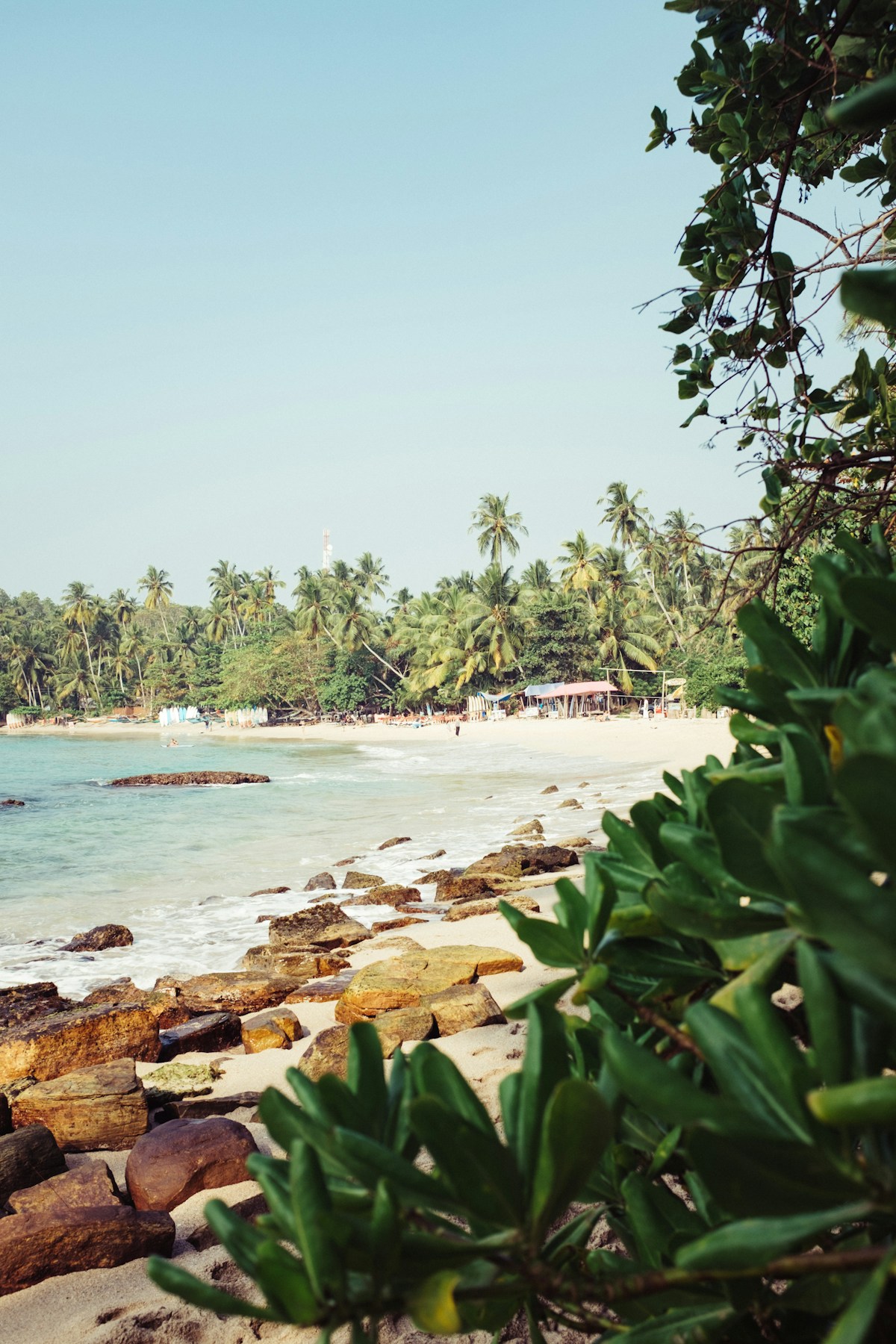
Pasikuda Beach, 35km north of Batticaloa, is one of the better-known beaches on Sri Lanka’s east coast. The reef here creates a long shallow lagoon with no significant waves - it is safe for poor swimmers and children in a way that most Indian Ocean beaches are not. The water is warm (April–September), clear, and calm.
Kalkudah Beach, 2km further north, is less developed and quieter. Together the two beaches make a natural half-day trip. A tuk-tuk from Batticaloa to Pasikuda and back, with waiting time, costs approximately LKR 1,500–2,000 as of 2026.
Pasikuda now has a number of hotels - including Amaya Beach (midrange, LKR 15,000–22,000 per night as of 2026) and a handful of smaller guesthouses in the LKR 4,000–8,000 range - for those who want to stay on the beach rather than base in Batticaloa itself.
Practical Notes
- The dry season for Batticaloa and the east coast is April to September; this is the best time for beach activities and lagoon boat trips
- The northeast monsoon (November–March) brings heavy rain and rough seas; sightseeing around the fort and temples continues but beach activities are limited
- Batticaloa town has ATMs - check locally for those most likely to have cash
- A tuk-tuk driver for a half-day in and around Batticaloa costs approximately LKR 1,500–2,500 as of 2026
- The Singing Fish experience requires a full moon and is worth planning your visit around if you want to try it
Planning Your Sri Lanka Trip?
- Book tours & activities in Batticaloa
- Find hotels in Batticaloa
- Travel insurance for Sri Lanka
- Get a Sri Lanka eSIM
- Find flights to Sri Lanka