Nuwara Eliya: Tea Estates, Little England & Hill Trains
Travel guide to Nuwara Eliya at 1,868m: tea estates, Horton Plains, Hakgala Gardens, and colonial hotels. Plan your visit to the hill capital.
Guides for Nuwara Eliya
Nuwara Eliya is the highest town in Sri Lanka at 1,868 metres above sea level, sitting in the heart of the Central Highlands in Nuwara Eliya District. The average temperature is 15–16°C year-round - cool by Sri Lankan standards - and the town’s British colonial-era buildings, rose gardens, and English-style hotels have given it the nickname “Little England.” It is about 160km from Colombo (approximately 4 hours by road) and 75km from Kandy (about 2 hours). Guided tours around Nuwara Eliya cover tea estates, Horton Plains, and the surrounding hill country.
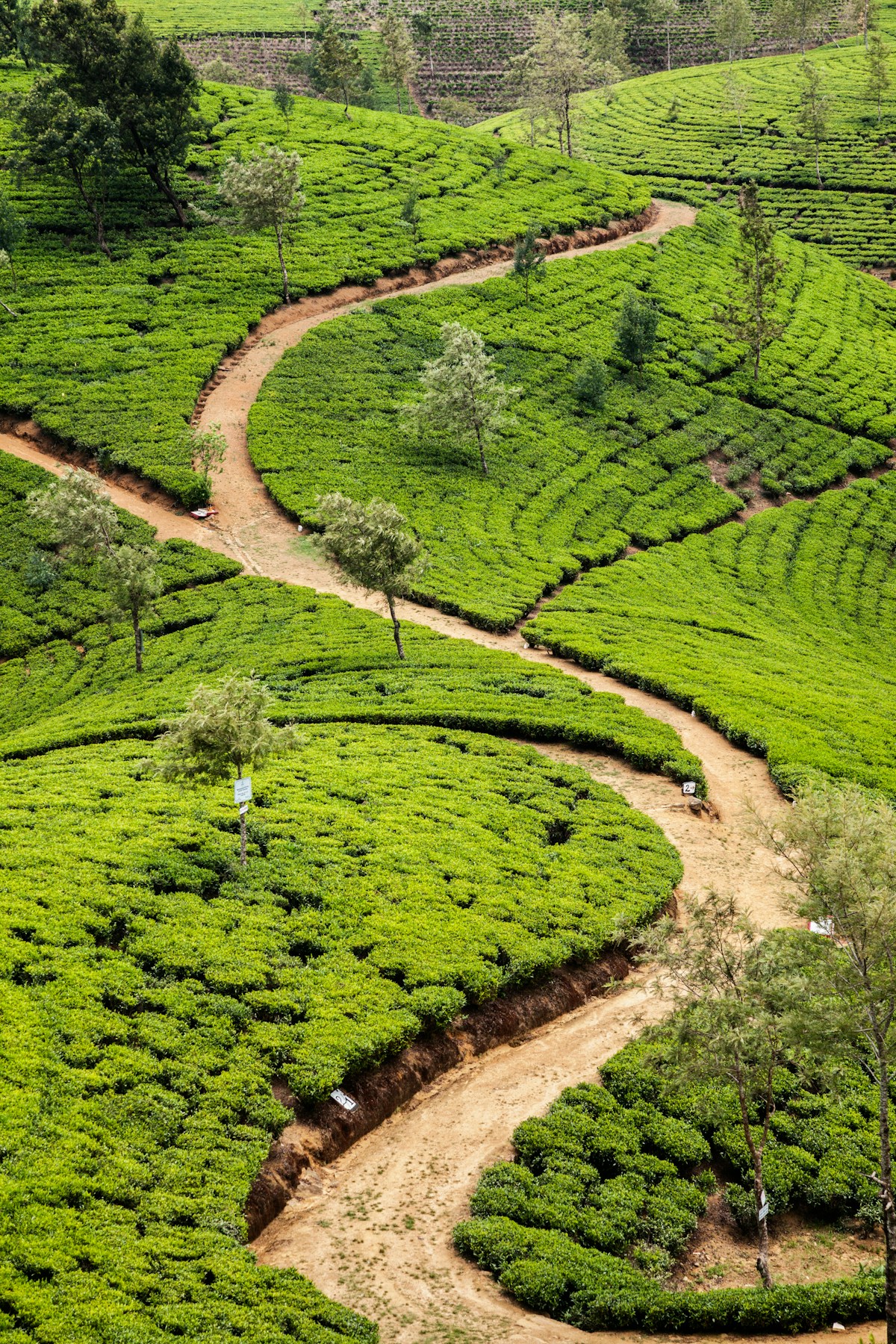
The town sits at the centre of the main Ceylon tea-growing region. High-grown tea, produced at elevations above 1,200m, is considered the finest grade of Ceylon tea - and Nuwara Eliya is where much of it is grown. The surrounding hillsides are almost entirely under tea cultivation.
Key Attractions
Hakgala Botanical Gardens
Located about 10km south of Nuwara Eliya town, the Hakgala Botanical Gardens are part of the Royal Botanical Gardens network. The gardens sit at around 1,745m and cover 27 hectares of rare species, orchid collections, rose gardens, and cloud-forest planting. Entry for foreign visitors is around $8. Open daily from 7:30am to 5:30pm.
Lake Gregory
Lake Gregory is a man-made reservoir built during British administration in the 1890s, sitting just east of the town centre. Paddle boats and rowing boats are available to hire, and the lakeside walk is pleasant on clear mornings. The surroundings have been developed with food stalls and a small amusement area. A straightforward, low-key place to spend an hour.
Victoria Park
A well-maintained public park in the centre of town, Victoria Park is known among birdwatchers for the variety of species that congregate here during Sri Lanka’s inter-monsoon migration periods (March–April and August–September). A number of hill country endemics are reliably seen here. Entry is cheap (around LKR 300 for foreigners).
Hill Club
The Hill Club is a private colonial-era members club on Grand Hotel Road, established in 1876 and remarkably well preserved. Non-members can dine for dinner in the main dining room - jacket and tie required (jackets can be borrowed from the club). It is a genuinely unusual experience: formal dress code, old hunting trophies on the walls, and a menu that has not changed dramatically in decades. Worth it once for the atmosphere.
The Town Itself
Nuwara Eliya’s town centre retains significant Victorian-era architecture: the Grand Hotel (built as a private residence in 1891, now a large hotel), the British-era post office on Bank Road (worth a glance - it looks like it was transported from a Yorkshire village), the clock tower, and the racecourse which still hosts annual races. The town is a genuine working Sri Lankan town, not a theme park - the market area is busy and practical.
Getting to Nuwara Eliya
By Train
The nearest railway station is Nanu Oya, 7km from Nuwara Eliya town. Trains from Colombo (Fort station) to Nanu Oya take around 5–6 hours on the hill country line - this is part of the famous Kandy–Ella route and passes through some of the most dramatic scenery in Sri Lanka. From Nanu Oya, take a tuk-tuk or taxi into Nuwara Eliya (LKR 400–600).
By Bus
Buses from Kandy to Nuwara Eliya run regularly and take around 2.5 hours. From Colombo, take a bus to Kandy and change, or take a direct intercity express from Colombo (Central Bus Stand). Buses terminate at the main bus station in town.
By Taxi or Private Vehicle
From Colombo: approximately 4 hours, 160km. From Kandy: approximately 2 hours, 75km. Private taxis and drivers are the most flexible option and commonly used for multi-stop hill country itineraries.
When to Go
April is the peak of Sri Lankan New Year celebrations (Sinhala and Tamil New Year, April 13–14). Hotels in Nuwara Eliya fill to capacity and prices triple or more. Book months in advance if visiting in April or avoid it entirely if you are price-sensitive.
December to March is peak tourist season. Cool, drier weather and school holidays make this the busiest period. Accommodation is easier than April but should still be booked ahead.
May–September brings the southwest monsoon, which affects the southern slopes of the hills. Nuwara Eliya gets significant rainfall during this period. The town functions normally and the estates are green, but outdoor plans can be disrupted by persistent cloud and rain.
Practical Notes
- Altitude means cold evenings even in the warmest months - bring at least one warm layer
- The town centre is compact and walkable; tea estates require a tuk-tuk or vehicle
- Horton Plains and World’s End are 35km from town; plan a half or full day
- ATMs are available on the main road through town
- Restaurants in town range from local rice and curry to hotel dining rooms
Where to Stay
Nuwara Eliya has a range of accommodation from atmospheric colonial-era hotels to modern guesthouses. The colonial properties - Grand Hotel, Hill Club - are worth booking for at least one night if budget allows. Book well ahead for April (Sinhala and Tamil New Year) when the town fills to capacity.
See our full Nuwara Eliya accommodation guide for area-by-area details and price ranges.
Search hotels in Nuwara Eliya on Booking.com
More in Nuwara Eliya
- Where to Eat in Nuwara Eliya
- Day Trips in Nuwara Eliya
- Tea Plantations in Nuwara Eliya
- Things to Do in Nuwara Eliya
- Where to Stay in Nuwara Eliya
Related Guides
- Horton Plains guide - 35km away; World’s End, Baker’s Falls, and the cloud forest loop
- Kandy to Ella train guide - the railway passes through Nanu Oya (Nuwara Eliya’s station)
- Tea country trekking - walking through the estates around Nuwara Eliya
- Adam’s Peak climb guide - accessible via Hatton; within the same highland circuit
- Kandy vs Nuwara Eliya - full comparison of both hill country cities
- 2-week Sri Lanka itinerary - Nuwara Eliya in context of the standard highland route
Frequently Asked Questions
- How cold does Nuwara Eliya get?
- Nuwara Eliya sits at 1,868m and has an average temperature of 15–16°C year-round. Evenings are cold by Sri Lankan standards - bring at least one warm layer. The climate is unlike anywhere else on the island.
- How do I get to Nuwara Eliya by train?
- The nearest station is Nanu Oya, 7km from the town centre. Trains from Colombo Fort take 5–6 hours on the famous hill country scenic line. From Nanu Oya, a tuk-tuk to Nuwara Eliya costs LKR 400–600.
- Why is Nuwara Eliya called Little England?
- The British colonial administration developed Nuwara Eliya in the 19th century as a highland retreat. The town retains Victorian-era architecture including the Grand Hotel (built 1891), the British-era post office, a racecourse, and a golf course. The Hill Club, founded in 1876, still enforces a jacket-and-tie dress code for dinner.
- What are the Hakgala Botanical Gardens?
- Hakgala Botanical Gardens are part of the Royal Botanical Gardens network, located 10km south of Nuwara Eliya at around 1,745m. The 27-hectare site includes orchid collections, rose gardens, rare species, and cloud-forest planting. Entry for foreigners is around $8 and the gardens open daily from 7:30am to 5:30pm.
- When should I avoid visiting Nuwara Eliya?
- April, around Sinhala and Tamil New Year (April 13–14), is the most popular domestic holiday period. Hotels fill to capacity months in advance and prices can triple. If you are price-sensitive or want quiet, avoid April entirely.
- Can I visit Horton Plains as a day trip from Nuwara Eliya?
- Yes, though it requires planning. Horton Plains is 35km from Nuwara Eliya - plan a half or full day. The plateau and World's End viewpoint are among the most dramatic landscapes in Sri Lanka. A tuk-tuk or private vehicle is needed.
Book an experience
Top experiences in Nuwara Eliya
Explore the best tours and activities in Nuwara Eliya , with instant confirmation and free cancellation on most bookings.
Planning to visit? Browse hotels in Nuwara Eliya, free cancellation on most bookings.