Jaffna: Nallur Kovil, Fort & Island Day Trips
Jaffna travel guide: Jaffna Fort, Nallur Kandaswamy Kovil, island day trips, Tamil cuisine, and getting there by train or flight from Colombo.
Guides for Jaffna
Jaffna is the capital of Sri Lanka’s Northern Province, sitting at the tip of the Jaffna Peninsula roughly 400km from Colombo. It is one of the most culturally distinct cities in Sri Lanka - Tamil-speaking, predominantly Hindu, with a history and identity shaped by the ancient Jaffna Kingdom, Portuguese and Dutch colonialism, British rule, and a 26-year civil war that ended in 2009. If you travel Sri Lanka without coming here, you will miss a significant portion of what the country is. Guided tours of Jaffna cover the fort, Nallur Temple, island day trips, and the cultural heritage of the north.
The city reopened to civilian travel relatively recently. The A9 highway - the main road north - was closed for much of the war period. The restoration of the Colombo–Jaffna train in 2014 changed things considerably. Jaffna today is accessible, increasingly comfortable for visitors, and worth every hour of the journey.
Things to Do in Jaffna
Nallur Kandaswamy Kovil
The most important Hindu temple in Sri Lanka, Nallur is dedicated to Murugan (Skanda), the Tamil deity of war and wisdom. The current structure dates primarily from the 18th century, though the site’s sacred history extends much further back through the Jaffna Kingdom. The golden gopuram (tower) is the dominant landmark of the city and visible from across the peninsula.
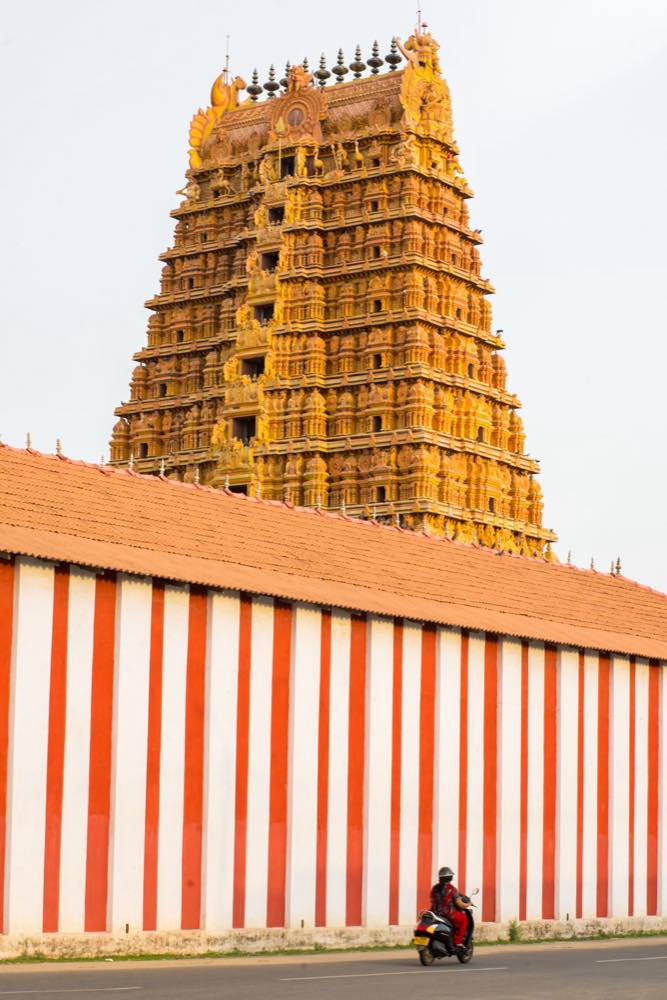 The gopuram of Nallur Kandaswamy Temple.
Puja ceremonies are held at 6am, 10am, and 6pm. The evening puja draws the largest numbers and is the most atmospheric time to visit - the temple fills with devotees, oil lamps are lit, and drumming accompanies the ceremony. Dress code strictly observed: men must remove their shirts before entering the inner precinct; all visitors must remove footwear and cover legs below the knee. The temple is an active place of worship - approach with respect. Entry is free.
The Nallur Festival, held over 25 days in July and August, is one of the largest Hindu festivals in South Asia. Chariot processions through the surrounding streets, firewalking ceremonies, and kavadi (physical acts of devotion involving hooks and skewers) draw tens of thousands of pilgrims from across Sri Lanka and the Tamil diaspora. Accommodation in Jaffna books out weeks in advance during this period - book at least six weeks ahead.
Jaffna Fort
The Dutch built this fort in 1680, expanding and reinforcing an earlier Portuguese structure from the 1620s. It is one of the largest Dutch colonial forts in Asia - the star-shaped defensive walls stretch for several hundred metres, punctuated by five bastions (Queen’s Bastion, King’s Bastion, and three others), and are surrounded by a partially intact moat. The interior was extensively damaged during the civil war when the fort served as a military base; reconstruction and conservation work has been ongoing since 2010.
The fort is open to visitors and entry is free. Walk the ramparts for views over the causeway, the lagoon, and across to Kayts Island. The scale of the structure is more impressive in person than photographs suggest. Allow 45 minutes to an hour for a full circuit of the walls.
Jaffna Public Library
The Jaffna Public Library was one of the finest libraries in South Asia, housing 97,000 volumes - including irreplaceable palm-leaf manuscripts in Tamil - when it was burned by Sinhalese mobs in June 1981. The burning was a defining act of cultural destruction in the lead-up to the civil war. The library was rebuilt in its original Mughal-influenced style and reopened in 2001, with further expansions since. It stands today as a symbol of Tamil cultural resilience. The main reading hall is architecturally striking, with high ceilings and colonnaded corridors. Entry is free; photography is permitted in public areas.
Nagadeepa Purana Viharaya
Located on Nainativu Island (see Islands section below), this is one of the most sacred Buddhist sites in Sri Lanka - believed to be one of three places on the island visited by the Buddha. The temple sits alongside the Hindu Nagapooshani Amman Temple on the same small island, a physical representation of how closely the two traditions coexist in the north. The golden stupa and the painted shrine rooms are worth the boat journey. Entry is free; donations appreciated.
Jaffna Market
The central market near the clock tower is the commercial centre of the peninsula. Produce stalls sell tropical fruit, vegetables, dried fish, and Palmyrah products unique to the north - Palmyrah toddy (the fermented sap), jaggery, and the fruit pulp used in Jaffna sweets. The market is busiest in the morning (7am–11am). A walk through gives a better sense of daily life in Jaffna than any temple visit.
Point Pedro
The northernmost point of Sri Lanka, 30km from Jaffna city. There is a small lighthouse and a monument marking the geographic point. The drive through fishing villages along the coast is as interesting as the destination. A tuk-tuk from Jaffna costs approximately LKR 3,000–4,000 return, or hire a tuk-tuk for the full day and combine Point Pedro with Casuarina Beach on a northern loop.
Jaffna Cuisine
Jaffna Tamil food is distinct from Sinhalese cuisine and from the food you will eat in Colombo or the south. The cooking uses heavier spicing, more coastal fish preparations, and Palmyrah palm products that do not feature in southern cooking.
What to Eat
Jaffna crab curry: Blue swimmer crabs cooked in a thick, fiery gravy heavy with roasted spice and tamarind. This is the dish most often cited as the best in Sri Lanka. Available at most sit-down restaurants in the city; expect to pay LKR 1,200–2,500 per portion depending on the restaurant and crab size.
Kothu roti: Chopped roti stir-fried with egg, vegetables, and meat or fish on a hot griddle - the sound of the metal spatulas chopping on the griddle is the soundtrack of Jaffna’s evening food stalls. LKR 250–500.
Palmyrah-based sweets: Odiyappam (steamed Palmyrah flour cakes), panankarkandu (Palmyrah jaggery), and Palmyrah fruit ice cream are unique to the Jaffna region. The Palmyrah palm is to Jaffna’s food culture what the coconut palm is to the south.
Dosai and idli: South Indian breakfast staples are the standard morning meal in Jaffna - fermented rice and lentil crepes (dosai) and steamed rice cakes (idli) with sambar and coconut chutney. LKR 100–250 at local kadevs.
Where to Eat
Malayan Café (Hospital Road): a Jaffna institution operating for decades. Known for its crab curry and seafood preparations. Busy at lunch and dinner. LKR 800–2,000 per person.
Rio Ice Cream (KKS Road): the most popular ice cream shop in Jaffna, and one of the best in Sri Lanka. Palmyrah ice cream and fruit flavours made fresh. A Jaffna-specific experience. LKR 150–400.
Cosy Restaurant (Stanley Road): reliable rice and curry for visitors, with a menu that covers the main Jaffna specialities. Clean and air-conditioned. LKR 600–1,500 per person.
Market-area kadevs: The small restaurants and stalls around Jaffna Market serve rice and curry lunches from 11am for LKR 200–400. These are functional, local, and serve the best-value food in the city. No English menus - point and eat.
Jaffna Peninsula and Islands
The peninsula extends into a lagoon dotted with small islands, several of which are accessible by ferry or causeway.
 Fishing boats in the shallow waters around Jaffna.
Nainativu Island
Accessible by public ferry from Kurikaduwan Jetty (about 20km from Jaffna), Nainativu holds two major religious sites side by side. The Nagapooshani Amman Temple is an important Shakti shrine that draws heavy Hindu pilgrimage traffic - the temple is colourful, busy, and the atmosphere is one of active devotion rather than tourism. Adjacent is the Nagadeepa Purana Viharaya, one of Sri Lanka’s most sacred Buddhist sites. The boat journey takes approximately one hour each way. The ferry service runs regularly during daylight hours and is free for pilgrims - a small fee of approximately LKR 100 may apply for tourists. Be respectful and patient with queues, particularly during pilgrimage season.
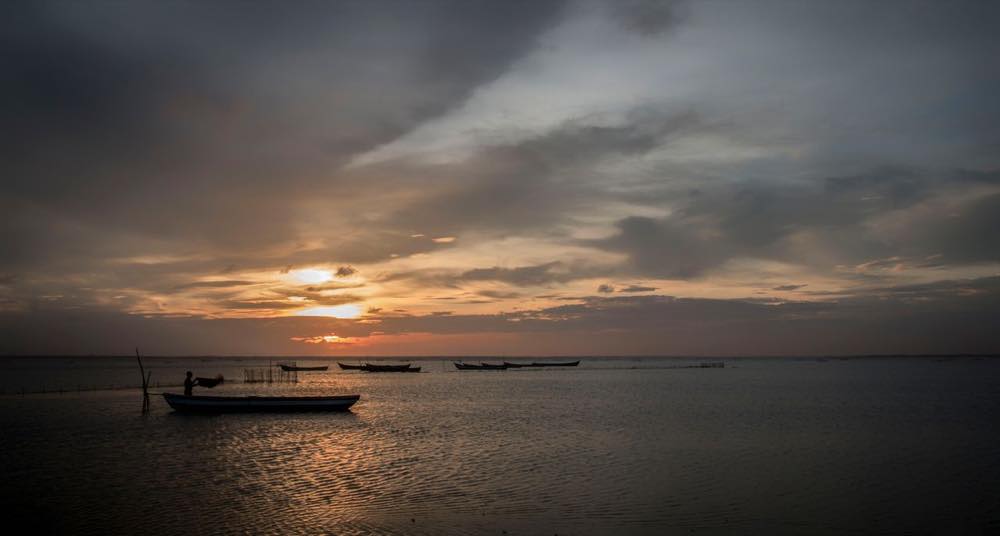 Evening light off the Jaffna coast.
Delft Island (Neduntivu)
The most remote of the accessible islands - approximately 2.5 hours by government ferry from Kurikaduwan Jetty. Delft has wild horses descended from Dutch colonial-era stock, the ruins of a Dutch fort, a baobab tree reportedly planted by the Portuguese, and a growing wall of coral that forms the island’s distinctive boundaries. The island has no tourist facilities - no restaurants, no hotels, no shops beyond a basic provision store. Bring food, water, and sun protection. The landscape is flat, dry, and unlike anywhere else in Sri Lanka. Ferries run twice daily; check schedules locally as they change seasonally.
Kayts Island (Velanai)
Connected to the mainland by a causeway, Kayts is easier to reach than Nainativu or Delft. The Hammenhiel Fort - a small Dutch fort sitting on its own islet just offshore - is visible from the Kayts shoreline and accessible by a short boat ride (approximately LKR 500–1,000). The town itself is quiet, with a few churches and a fishing harbour.
Casuarina Beach
Located 18km north of Jaffna city on the peninsula coast. Long, shallow, and calm - the water stays waist-deep for 50m or more, making it the safest swimming beach in the region. Popular with Jaffna residents at weekends. Basic food stalls operate during peak hours. Accessible by tuk-tuk (approximately LKR 1,500–2,000 return from Jaffna).
Tamil Culture and Festivals
Jaffna is the cultural capital of Sri Lanka’s Tamil population. Hindu temples dominate the landscape - the city has over 100 kovils (Hindu temples) of varying sizes, and the rhythm of daily life is structured around puja times and religious observance.
Harvest festivals: Thai Pongal (January) is the Tamil harvest festival, celebrated across the peninsula with rice boiling ceremonies, kolam (floor art), and family gatherings. It is one of the most important cultural events in the Jaffna calendar.
Nallur Festival (July–August): The 25-day festival at Nallur Kandaswamy Kovil is the largest Hindu festival in Sri Lanka. If your dates coincide, the final week - with the main chariot procession - is the most significant.
Deepavali (October–November): The Festival of Lights transforms Jaffna with oil lamps, fireworks, and temple celebrations. A good time to visit if you want to see the city at its most festive.
Where to Stay
Jetwing Jaffna (KKS Road): the most comfortable hotel in the city. Modern rooms, rooftop pool, and a restaurant serving both Jaffna Tamil and international cuisine. From approximately $80–120 per night as of 2026.
Tilko Jaffna City Hotel (KKS Road): mid-range option with air-conditioned rooms, restaurant, and central location. From approximately $40–60 per night.
Green Grass Hotel (Kasturiyar Road): reliable budget-to-mid option popular with domestic travellers. Basic but clean rooms. From approximately $25–40 per night.
Guesthouses: Several small guesthouses operate around the city, particularly along KKS Road and in residential areas near Nallur. Prices range from LKR 3,000–6,000 per night ($10–20). These offer the most local experience and often include home-cooked meals on request.
See our full Jaffna accommodation guide for area-by-area details and price ranges.
Search hotels in Jaffna on Booking.com
Getting to Jaffna
By train: The Colombo Fort–Jaffna Yal Devi express takes approximately 6.5–7 hours and passes through the dry north, an increasingly sparse and different landscape from the wet lowlands around Colombo. First class observation seats cost approximately LKR 1,600 (from $5), second class approximately LKR 900. Book ahead - the Yal Devi is popular and first class fills up. Trains depart Colombo Fort station in the morning; check current schedules at Sri Lanka Railways.
By bus: Long-distance buses from Pettah terminal take seven to eight hours via the A9 highway. Air-conditioned intercity express buses cost approximately LKR 1,500–2,000 and are more comfortable than regular buses. The route passes through Vavuniya and Kilinochchi - towns with significant civil war history.
By air: FitsAir operates scheduled flights from Colombo Ratmalana Airport to Jaffna (Palaly Airport). Flight time approximately 45 minutes. Prices range from approximately $50–120 one way depending on booking date. Palaly Airport is about 15km from Jaffna city centre - a tuk-tuk to town costs approximately LKR 1,000–1,500.
Safety and Practical Tips
Jaffna is safe and welcoming to visitors. The civil war ended in 2009 and the city has been open to tourism for over a decade. A few practical notes:
- Tuk-tuk hire: Hiring a tuk-tuk for a full day costs approximately $15–20 (LKR 5,000–6,000) and is the most practical way to cover the city and peninsula sights. Most drivers speak sufficient English for navigation. Negotiate the price and itinerary before starting.
- Cash: Carry sufficient cash. ATMs exist in Jaffna city but are less reliable than in Colombo. Card acceptance is limited to larger hotels and a few restaurants.
- Language: Tamil is the primary language. English is spoken in hotels and tourist-facing businesses but less widely than in Colombo or the south. A few Tamil words go a long way.
- Heat: Jaffna is in the dry zone and temperatures regularly exceed 32°C. Drink water constantly, wear sun protection, and plan temple visits for early morning or late afternoon.
- War sensitivity: The civil war left visible marks on the city and on its residents. Conversations about the conflict happen naturally and residents are generally open to discussing their experiences. Approach with curiosity and care rather than assumptions. Do not photograph military installations.
More in Jaffna
- Where to Eat in Jaffna
- Day Trips in Jaffna
- History in Jaffna
- Things to Do in Jaffna
- Where to Stay in Jaffna
Related Guides
- Mannar travel guide - 100km southwest; flamingoes, giant baobab, and Adam’s Bridge
- Anuradhapura travel guide - Sri Lanka’s ancient sacred capital, 3–4 hours south
- Basic Sinhala phrases - useful context; Tamil phrases are more helpful in Jaffna
- Solo travel in Sri Lanka - practical tips for independent travel in the north
- 3-week Sri Lanka itinerary - the northern loop including Jaffna and Anuradhapura
- Sri Lankan food guide - Jaffna cuisine is distinct; crab curry and string hoppers differ from south coast versions
Frequently Asked Questions
- How do I get from Colombo to Jaffna?
- The Yal Devi express train takes approximately 6.5 hours from Colombo Fort and is the most comfortable option - book first or second class ahead of time. Buses from Pettah terminal take 7–8 hours via the A9 highway. FitsAir and Cinnamon Air operate flights from Colombo Ratmalana Airport to Jaffna (Palaly Airport) in about 45 minutes.
- Is Jaffna safe to visit?
- Yes. The civil war ended in 2009 and Jaffna is safe and welcoming to visitors. The city has emerged from a very difficult period and is rebuilding - the energy in markets, temples, and streets reflects this. Approach conversations about the war with curiosity and care.
- What is the best time to visit Jaffna?
- Jaffna is in Sri Lanka's dry zone and receives less rain than the south. February to September is the main visiting period. The Nallur Festival in July or August (25 days of Hindu celebrations) is spectacular but all accommodation fills - book six weeks ahead minimum if visiting then.
- What is Nallur Kandaswamy Kovil in Jaffna?
- Nallur is the most important Hindu temple in Sri Lanka, dedicated to Murugan and dating back to the Jaffna Kingdom period. The golden gopuram tower dominates the city skyline. Puja ceremonies are held at 6am, 10am, and 6pm - the evening puja draws the most worshippers. Men must remove their shirts before entering the inner precinct.
- How do I get around Jaffna?
- Hiring a tuk-tuk for a full day costs $15–20 and is the most practical way to cover the main sights. Most tuk-tuk drivers in Jaffna speak sufficient English for navigation. The city sights are spread across the peninsula so daily tuk-tuk hire makes more sense than negotiating each leg separately.
- Can I visit the outer islands from Jaffna?
- Yes. Nainativu Island (1 hour by public ferry from Kurikaduwan Jetty) has the Nagapooshani Amman Temple and is a functioning pilgrimage destination. Delft Island (2.5 hours by government ferry) is more remote, with wild horses, a Dutch fort ruin, and no tourist facilities. Casuarina Beach (18km north of the city) is the closest swimming beach.
Upcoming Events in Jaffna
Jaffna Music Festival
jaffna
Jaffna Music Festival 2027, 10–12 January. Carnatic music, Bharatanatyam dance, and contemporary artists celebrating the north's cultural recovery.
Book an experience
Top experiences in Jaffna
Explore the best tours and activities in Jaffna , with instant confirmation and free cancellation on most bookings.
Planning to visit? Browse hotels in Jaffna, free cancellation on most bookings.