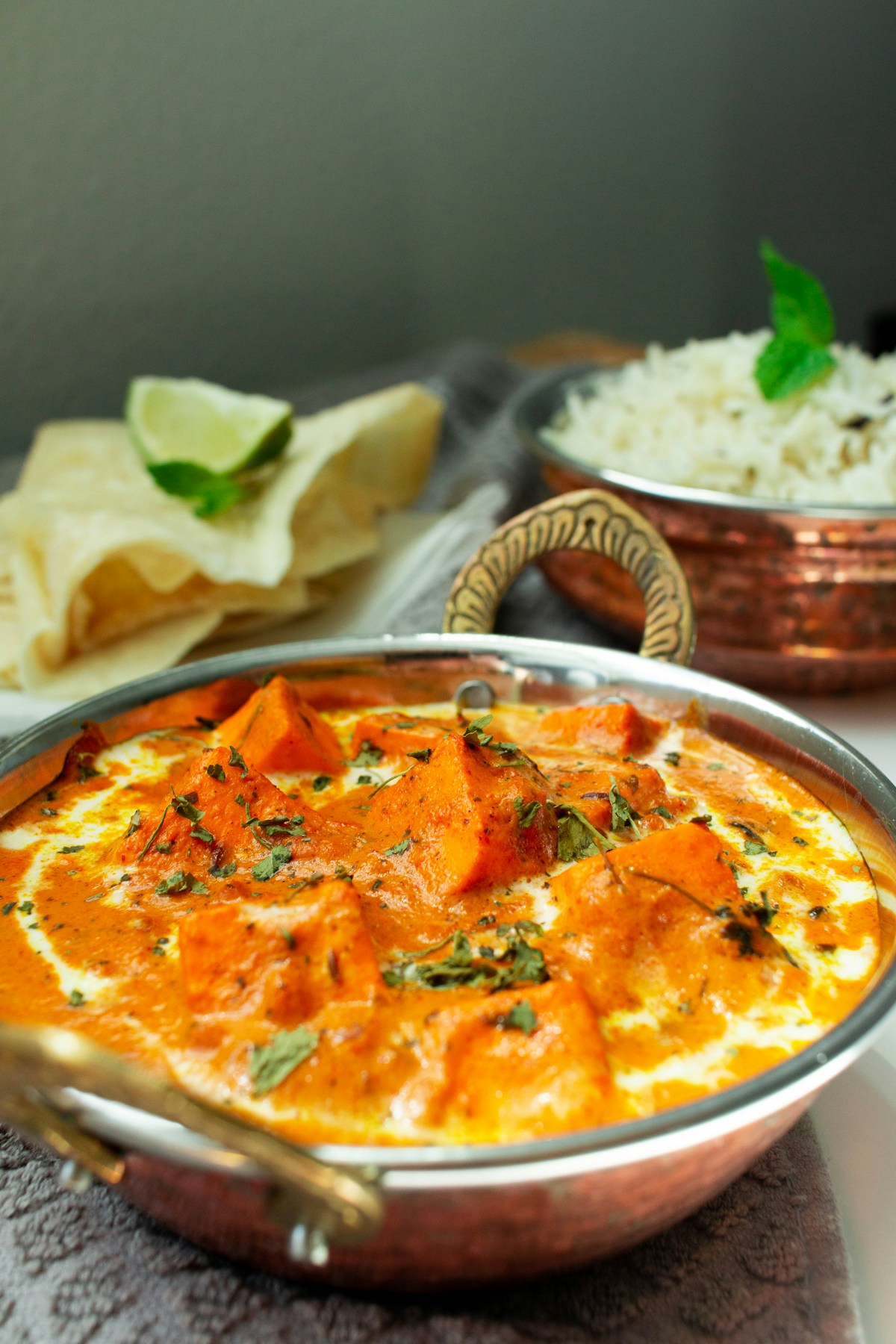
Jaffna’s food is unlike anything in the south. Northern Tamil cooking uses more tamarind, more dried chilli, more palm-based ingredients - and the results are deeply flavoured and distinctive. The city’s cuisine developed in relative isolation from the Sinhalese south and has its own logic, its own key dishes, and its own rhythm around eating. For guided food and city tours in the north, tours of Jaffna include cultural walks, temple visits, and culinary experiences.
Understanding the local food culture matters. In Jaffna, small restaurants (still called “hotels” locally, as everywhere in Sri Lanka) serve rice and curry from morning. By 1pm many of the day’s curries are finished. Eating early gets you the best selection.
What to Order
Jaffna Crab Curry: the north’s most celebrated dish. Large mud crabs cooked in a deeply spiced gravy with tamarind, dried chilli, and a flavour profile distinct from southern crab curries - more acidic, more intense. Served with idiyappam (string hoppers) or steamed rice. This is the dish to order in Jaffna; versions elsewhere are a pale imitation.
Idiyappam (String Hoppers): steamed noodle nests made from rice flour, eaten with curry. The standard breakfast and a Jaffna staple. Paired with coconut milk, dhal, or seeni sambol. Light and excellent.
Jaffna Thali: a full Tamil vegetarian meal - rice with multiple curries arranged around it. Not every restaurant serves a formal thali, but the component dishes are always available. Expect dhal, a coconut-based vegetable curry, rasam (thin tamarind soup), and curd.
Mutton Rolls: spiced minced mutton wrapped in a thin pastry and fried. The Jaffna version uses more spice than southern rolls. Common as a short eat at tea shops.
Palmyrah Toddy: the fermented sap of the palmyrah palm - a mildly alcoholic drink specific to the north and east of Sri Lanka. Served fresh and slightly fizzy from toddy shops. It turns increasingly alcoholic as the day progresses (morning toddy is gentle; evening toddy is notably stronger). Toddy shops are an experience worth finding.
Watalappan: a coconut custard dessert made with jaggery and spices - more commonly associated with Muslim Sri Lankan cooking but found across the north. Rich, dense, and worth ordering as dessert.
Where to Eat in Jaffna
Malayan Café: a Jaffna institution on Hospital Road, open since the 1940s. Serves idiyappam, roti, and short eats from early morning. The original, still functioning, and genuinely good. Cash only; closes mid-afternoon.
Green Grass Hotel (Point Pedro Road area): reliable for a full rice and curry lunch. The curry selection rotates daily. Ask what’s available that day rather than ordering from a menu - the best places work like that in Jaffna.
Rio Restaurant: near the clock tower, one of the better options for crab curry in the city. Worth reserving crab in advance as it sells out. Also serves good kottu and rice meals.
Town markets and tea shops: Jaffna Market in the city centre has food stalls serving hot short eats (rolls, vadas, samosas) through the morning. The tea shop culture is strong here - a cup of tea with a mutton roll is how most locals start the day.
More Places to Eat in Jaffna
Subamangalam Hotel and Restaurant (Hospital Road area): one of the most reliable vegetarian Tamil restaurants in the city, a short walk from Malayan Café. The full vegetarian thali - rice with dhal, a coconut vegetable curry, rasam, curd, and papad - runs approximately LKR 250–450. The rasam here is notably good: peppery, thin, and intensely tamarind-forward. Arrive before 12pm for the best curry selection; the kitchen runs dry by early afternoon.
Cosy Restaurant (Stanley Road): popular with local families and the more tourist-aware of the mid-range options in town. The kitchen handles both crab curry and kottu with confidence. Crab arrives on request - call the day before (or ask your guesthouse to call), order a minimum of 1 kg, and confirm the day’s market price. Crab curry costs approximately LKR 1,500–2,800 per person depending on size and market price.
Naga Restaurant (near Nallur Kandaswamy Kovil): useful if you are spending half a day at the Nallur temple complex, approximately 2 km north of the town centre. The restaurant serves Tamil lunch plates and short eats from midday. A full rice and curry meal runs LKR 300–550. Not a destination restaurant, but a practical and honest lunch option in the Nallur neighbourhood.
How to order crab in Jaffna: crab curry is not a walk-in dish. The best approach is to tell your guesthouse the evening before: ask them to source crab from the lagoon the next morning, confirm a price per kilogram, and specify a lunch time. Most guesthouses that cook for guests can arrange this. For restaurants, phone ahead to Cosy Restaurant or Rio Restaurant - both take same-day reservations for crab when the supply is available. If you arrive without advance notice and ask for crab, the honest answer from a good restaurant is “not today.” That is the correct answer.
Jaffna Restaurants at a Glance
Looking for the best restaurants in Jaffna and short on time? This is the quick comparison of the places covered above, with approximate prices as of 2026.
- Malayan Café (Hospital Road): the famous old Jaffna breakfast stop. Idiyappam, roti and short eats, cash only, closes mid-afternoon.
- Subamangalam Hotel and Restaurant (Hospital Road area): best for a vegetarian thali, approximately LKR 250-450. Arrive before 12pm.
- Naga Restaurant (near Nallur Kandaswamy Kovil): practical lunch after the temple, approximately LKR 300-550 for rice and curry.
- Cosy Restaurant (Stanley Road): mid-range, good for kottu and crab curry. Call the day before for crab, approximately LKR 1,500-2,800 per person.
- Rio Restaurant (near the clock tower): another reliable option for crab curry and kottu. Reserve crab in advance.
- Green Grass Hotel (Point Pedro Road area): daily rotating rice and curry lunch.
Budget roughly LKR 200-400 for a local rice and curry, and LKR 800-2,000 at sit-down restaurants. Plan breakfast at Malayan Café, an early lunch before 1pm, and book crab a day ahead. If you are staying overnight, see where to stay in Jaffna for places within walking distance of the main food streets.
Practical Notes
- Most restaurants in Jaffna are alcohol-free - the north is more conservative about this than the south. Toddy shops are the exception.
- The best rice and curry is gone by 1pm; eat lunch before then
- Many places don’t have English menus - point at what others are eating, or ask the server what they recommend that day
- Vegetarian eating is easy in Jaffna - the Tamil tradition has a strong vegetarian current, and most restaurants have several vegetable curries available at all times
Take a Guided Food Tour
Jaffna Tamil cuisine is one of the most distinctive regional traditions in Sri Lanka - the heavy use of tamarind, dried chilli, and palm-based ingredients produces flavours that are unlike anything in the Sinhalese south. A guided food tour in Jaffna takes you through the markets, the family restaurants, and the street-food spots that are genuinely difficult to find independently - particularly if you do not read Tamil. Our Jaffna food guide covers the key dishes, where to find them, and how to eat through the city’s culinary traditions.
Planning Your Sri Lanka Trip?
- Book tours & activities in Jaffna
- Find hotels in Jaffna
- Travel insurance for Sri Lanka
- Get a Sri Lanka eSIM
- Find flights to Sri Lanka