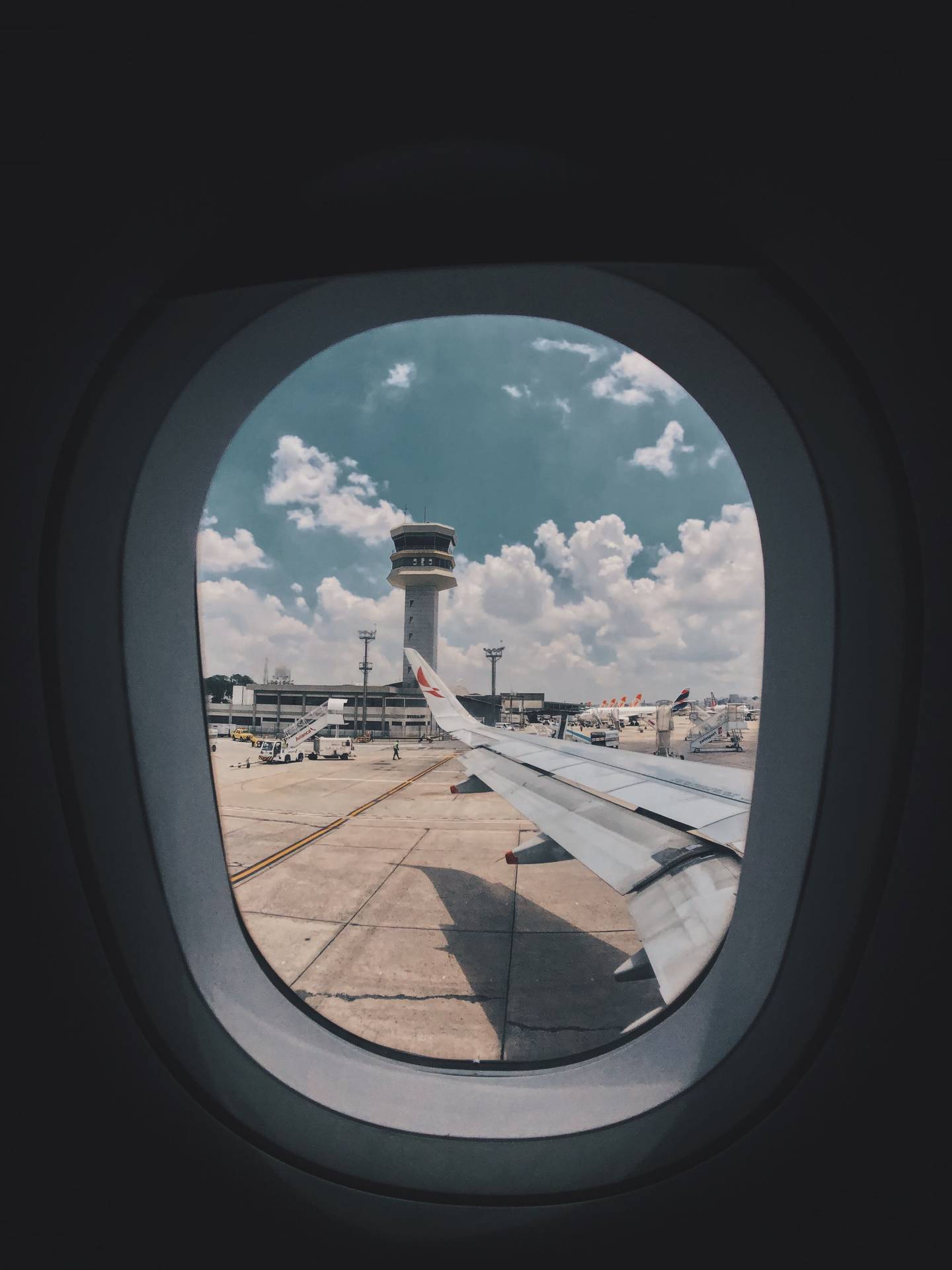
SriLankan Airlines increased its service between Bandaranaike International Airport (CMB) in Colombo and Melbourne Airport (MEL) to 10 weekly frequencies from 2 August 2026. The boost - up from a previous schedule of seven weekly flights - responds to sustained demand from Australia’s large Sri Lankan diaspora community and from tourism traffic, which has been recovering strongly since the 2022 economic crisis.
What the New Schedule Means
Ten weekly flights represents a near-daily service in each direction with some days offering double options. For travellers from Australia, this increases flexibility considerably - more departure days means easier connections with domestic Australian routes, and higher frequency generally keeps fares more competitive by spreading capacity across the week.
Colombo’s Bandaranaike International Airport sits roughly 35 kilometres north of the city. The flight time from Melbourne to Colombo is approximately 11–12 hours. SriLankan Airlines operates the route using widebody aircraft, typically the Airbus A330.
This is a separate route development from the Jetstar service announced earlier in 2026. Jetstar’s Melbourne–Colombo launch brought a low-cost option to the market; SriLankan’s frequency increase on its own metal targets a different segment - full-service travellers and those with existing loyalty arrangements with the airline or its Oneworld partners.
Booking and Connections
SriLankan Airlines is a member of the Oneworld alliance, meaning miles and status can be earned and redeemed through British Airways Avios, American Airlines AAdvantage, Cathay Pacific Asia Miles, and other partner programmes. Award seat availability on SriLankan has historically been reasonable, particularly in business class.
From Colombo, SriLankan operates domestic connections to Jaffna and has partnerships for onward connections to regional destinations in South Asia. Travellers connecting through Colombo to the Maldives, India, or the rest of South and Southeast Asia can use the additional Melbourne flights as a launching point.
Travel Context
Sri Lanka’s airport authorities handled a significant increase in passenger numbers through the first half of 2026. The dengue situation remains a concern for travellers - our practical travel guide covers health precautions including dengue prevention, safe food and water, and current entry requirements.
The combination of improved airlift from Australia and a recovering tourism infrastructure makes this a meaningful development for the Australia–Sri Lanka travel corridor. Those planning a trip should check SriLankan’s website for current fare offers; airlines sometimes run introductory promotions when increasing capacity on a route.
For what to do once you arrive, our things to do in Sri Lanka section covers the country’s highlights from the cultural triangle in the north-central region to the beaches in the south and east. To book your seat on the Melbourne–Colombo route or compare with other options, search flights to Sri Lanka.