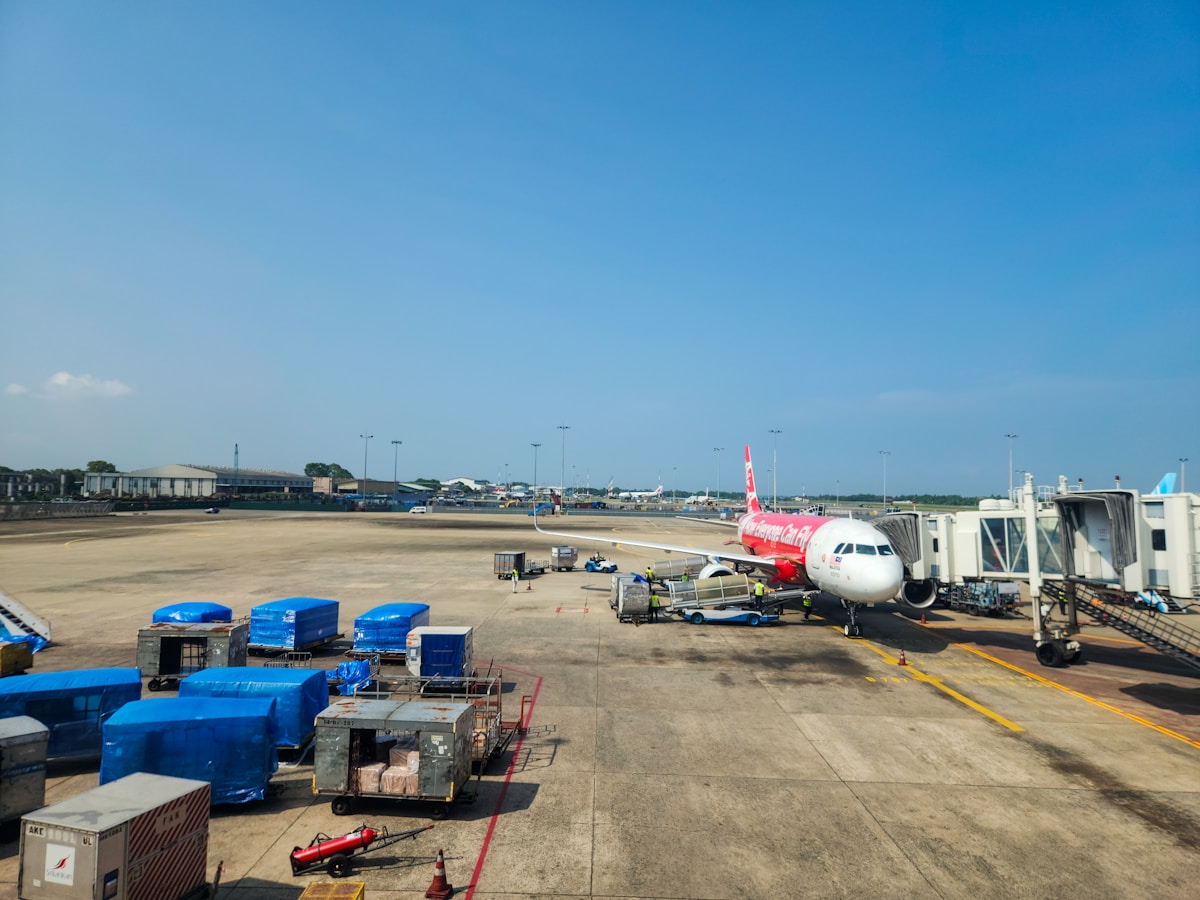
Sri Lanka’s tourism sector passed a significant milestone in 2026. Data released by the Sri Lanka Tourism Development Authority on 24 September shows that year-to-date arrivals crossed 1.64 million, with the first three weeks of September alone recording 107,093 international visitors - a year-on-year gain of approximately 6 percent.
The figures confirm that September’s early-week softness, when a marginal 1 percent dip was recorded in the first six days of the month, was a temporary fluctuation. The full three-week picture shows a solid pace of around 5,100 arrivals per day, positioning September as one of the stronger months of the year.
Source Markets
India remains the dominant source market, accounting for approximately 30 percent of all arrivals. The UK holds second place, followed by Germany, Russia, and Australia. The Indian market has grown sharply over the past two years, partly driven by improved direct connectivity from Bangalore, Chennai, Mumbai, and Hyderabad to Colombo.
The UK market’s continued strength is notable - Sri Lanka has historically been a popular long-haul destination for British travellers, particularly for beach holidays along the southern and western coasts.
What the Numbers Mean for Travellers
Strong arrival numbers have practical implications for visitors planning a trip. Key takeaways:
Accommodation demand is up. Popular destinations - particularly Sigiriya, Ella, Galle, and beach towns like Mirissa and Unawatuna - are reporting high occupancy. Booking accommodation at least four to six weeks in advance is advisable for travel through November, which is peak season on the west coast.
New flights are in service. Several airlines have added or expanded routes to Colombo in 2026, increasing seat availability from Europe and South Asia. This has improved connectivity and helped drive arrival numbers.
Tour operator capacity is stretched. For popular activities - Sigiriya rock fortress, Yala National Park safari drives, and whale-watching departures from Mirissa - booking in advance rather than on arrival is now standard practice.
October Through December: Peak Season Ahead
Late September marks the transition to Sri Lanka’s peak tourism season on the west and south coasts. The south-west monsoon winds down in October, and by November the beaches of Hikkaduwa, Mirissa, Unawatuna, and Tangalle are in their prime.
For the east coast, the season peaks earlier - Arugam Bay and Trincomalee are best from May through September. By October, the north-east monsoon begins affecting the east, and visitor numbers there typically taper.
Key west-coast highlights for the peak season:
- Galle Fort and the colonial old town
- Mirissa beach and blue whale watching (November to April)
- Unawatuna bay
- Bentota and Hikkaduwa for watersports
In the hill country, Ella, Nuwara Eliya, and the tea estates around Kandy and Haputale are pleasant year-round and relatively unaffected by either monsoon season.
Planning Your Visit
The 1.64 million arrivals figure suggests Sri Lanka is on course to exceed the 2019 pre-pandemic record of 2.33 million if current momentum holds through the peak season months. For travellers, this means the country is firmly back on the mainstream travel circuit and infrastructure pressure is real - particularly for budget accommodation in well-known towns.
For destination-level planning, our Sri Lanka things to do guide covers highlights across the island, and our city guides break down what to see and where to stay in Colombo, Kandy, Galle, Ella, and beyond.
Source: Sri Lanka Tourism Development Authority data; Ada Derana and Lanka Newspapers reporting, 24–25 September 2026.