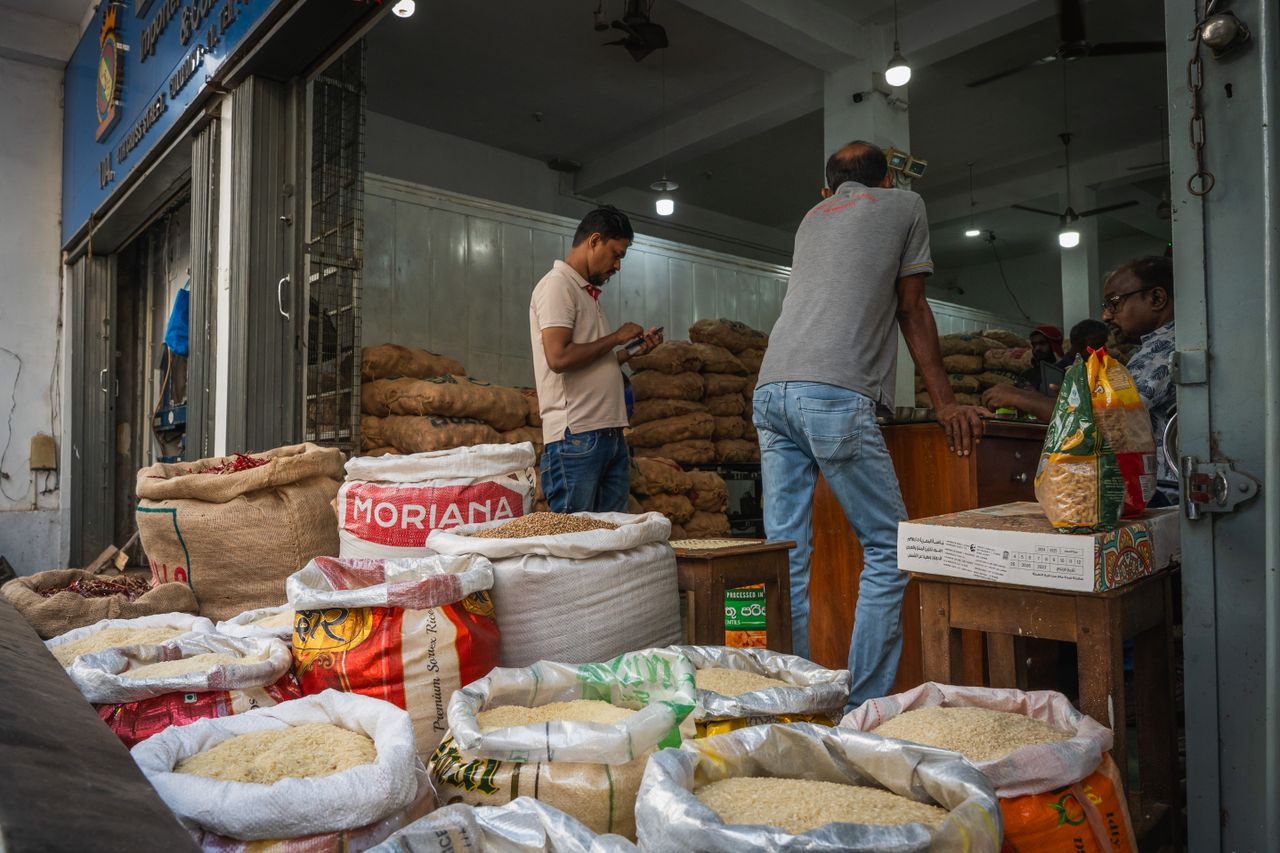
Two weeks is the most common length of time visitors spend in Sri Lanka - long enough to cover the Cultural Triangle, the Hill Country, and a beach stretch without rushing. This guide gives real 2026 totals for every spending category so you can build an accurate trip budget before you book.
For a full daily budget breakdown by tier, see our Sri Lanka budget and costs guide. This page focuses on total trip costs and what to set aside for each category across a 14-day visit.
2-Week Trip Cost at a Glance
| Budget Tier | Accommodation | Food | Transport | Activities | Total (excl. flights) |
|---|---|---|---|---|---|
| Budget | $140–300 | $140–200 | $100–180 | $150–250 | ~$600–900 |
| Mid-range | $500–900 | $280–450 | $200–400 | $250–400 | ~$1,200–2,000 |
| Luxury | $1,500–4,000+ | $500–900 | $400–1,000 | $350–600 | ~$3,000–6,500+ |
All figures in USD for 14 nights / 14 days. Exchange rate used: USD 1 = approximately LKR 300 (mid-2026). Excludes international flights and visa.
Visa Costs
Free for most Western travellers. As of May 2026, Sri Lanka’s tourist ETA is waived for approximately 40 nationalities including the US, UK, EU members, Australia, Canada, New Zealand, and India. Apply through the official portal at eta.gov.lk at no cost before travel.
For travellers from countries not on the exemption list, the standard fee is USD 20 (single entry) or USD 35 (double entry) for a 30-day tourist ETA. Beware copycat sites charging USD 80–150 - the official portal is the only legitimate source. Our Sri Lanka visa guide has the current list of exempt countries and the step-by-step application process.
International Flights
International flights are the largest single variable in a Sri Lanka trip budget and depend heavily on your departure point and how far in advance you book.
| Origin | Typical Return Fare (Economy) |
|---|---|
| UK (London) | £380–650 |
| Europe (Amsterdam, Frankfurt) | €400–700 |
| Australia (Sydney, Melbourne) | AUD 800–1,400 |
| USA (New York, LA) | USD 750–1,400 |
| India (Mumbai, Chennai) | USD 120–300 |
| UAE (Dubai) | USD 200–400 |
Emirates, Qatar, SriLankan Airlines, and Air India cover most routes to Bandaranaike International Airport (Colombo). Emirates via Dubai is often the best-value option from Europe and Australia.
Accommodation Costs
Accommodation is where the three budget tiers diverge most sharply.
Budget: $10–25/night
Guesthouses, homestays, and basic hostels are widespread throughout Sri Lanka’s tourist circuit. A clean double room with fan and en-suite bathroom typically costs LKR 3,000–5,500 ($10–18/night) in most towns. Dormitory beds in the main backpacker areas (Ella, Hikkaduwa, Arugam Bay) start at LKR 1,500–2,500 ($5–8/night).
2-week accommodation total (budget): approximately $140–300
See our guides to where to stay in Negombo, Sigiriya, and Kandy for guesthouse recommendations at each price point.
Mid-Range: $35–80/night
A private air-conditioned room at a clean guesthouse or small hotel with breakfast costs LKR 10,000–22,000 ($35–75/night). At this level you get consistent hot water, good Wi-Fi, and a comfortable bed. In Colombo, mid-range hotel options in the Wellawatte and Mount Lavinia areas offer good value relative to the city centre.
2-week accommodation total (mid-range): approximately $500–900
Luxury: $100–300+/night
Sri Lanka’s boutique accommodation is genuinely exceptional. Restored colonial planters’ bungalows in the Hill Country, eco-lodges overlooking Yala buffer forest, and heritage villas inside Galle Fort all start at around USD 100–200/night. The top-tier properties - Uga Escapes, the Aman-style villa resorts, Wild Coast Tented Lodge - run USD 300–600+/night and offer an experience that rivals the best of Southeast Asia.
2-week accommodation total (luxury): approximately $1,500–4,000+
Food Costs
Budget: $8–14/day
Eating primarily at local kadevs (small rice and curry shops) keeps food costs to LKR 300–600 ($1–2) per meal - a full day of eating locally costs USD 4–8. Fresh coconut water at roadside stalls: LKR 80–120. Local short eats (samosas, wade, roti): LKR 50–150 each.
2-week food total (budget): approximately $140–200
Mid-Range: $18–30/day
A mix of local lunches and sit-down tourist-facing restaurants for dinner typically costs USD 15–25/day. A main course at a decent restaurant: LKR 1,200–3,500 ($4–12). A Lion Lager: LKR 450–700. A coffee at a café: LKR 300–600.
2-week food total (mid-range): approximately $280–450
Luxury: $35–65+/day
High-end restaurants in Colombo, Galle Fort, and resort hotels typically charge LKR 3,500–8,000+ ($12–27) per main course. Fine dining at a resort can run USD 40–60 per person including drinks.
2-week food total (luxury): approximately $500–900
Transport Costs
Getting Around: Budget vs Mid-Range vs Private
| Mode | Typical Cost | Best For |
|---|---|---|
| Intercity train (2nd class) | LKR 200–800 ($0.70–2.70) | Colombo–Kandy, Kandy–Ella |
| Intercity bus | LKR 100–400 ($0.35–1.35) | All major routes |
| Tuk-tuk 3–5 km | LKR 150–400 ($0.50–1.35) | Short urban hops |
| Tuk-tuk full-day hire | LKR 3,000–5,500 ($10–18) | Rural sightseeing |
| PickMe (app taxi) | LKR 150–800 ($0.50–2.70) | Colombo urban transport |
| Private AC taxi one-way | LKR 5,000–15,000 ($17–50) | Airport, long transfers |
| Private driver/day | LKR 8,000–18,000 ($27–60) | Cultural Triangle, Hill Country |
The Colombo–Kandy–Ella train route is one of the most scenic railway journeys in Asia. Second-class seats cost under USD 3; first-class observation cars cost LKR 1,500–2,500 ($5–8) and can be booked in advance at Colombo Fort station. For everything else, buses and tuk-tuks cover the standard tourist circuit cheaply.
For a full breakdown of all transport modes, costs, and booking tips, see our getting around Sri Lanka guide.
2-week transport total:
- Budget (buses, trains, shared tuk-tuks): approximately $100–180
- Mid-range (trains + private taxis for long hops): approximately $200–400
- Luxury (private driver throughout): approximately $400–1,000
Activity and Entry Fee Costs
Entry fees at Sri Lanka’s major heritage sites are priced in USD and are a fixed cost regardless of budget tier.
| Attraction | Fee (Foreign Adults, 2026) |
|---|---|
| Sigiriya Rock Fortress | ~USD 35 |
| Polonnaruwa Ancient City | ~USD 25 |
| Anuradhapura Sacred City | ~USD 25 |
| Dambulla Cave Temple | ~USD 15 |
| Temple of the Tooth, Kandy | ~USD 5 |
| Cultural Triangle Round Ticket (Sigiriya + Polonnaruwa + Anuradhapura + Dambulla + Kandy) | ~USD 62.50 |
| Yala National Park entry (per person) | ~USD 15 + vehicle/tracker fees |
| Yala safari half-day (all-in: jeep, guide, park fees) | ~USD 65–85/person |
| Whale watching, Mirissa (Nov–Apr season) | USD 30–55/person |
| Surf lesson, Arugam Bay or Hikkaduwa | USD 20–35/person |
| White-water rafting, Kitulgala | USD 30–50/person |
| Cooking class, Kandy or Galle | USD 25–40/person |
The Cultural Triangle Round Ticket at USD 62.50 is worth buying if you plan to visit at least three or four of the included sites - it saves money compared to individual tickets. If you only plan to visit Sigiriya, buy the single ticket.
For full details on booking the major sites, see our Sri Lanka attraction tickets guide.
Typical 2-week activity spend:
- Budget (self-guided, selective sites): approximately $150–250
- Mid-range (major sites + one safari or whale watching): approximately $250–400
- Luxury (guided tours, premium activities): approximately $350–600
Booking activities as part of a tour package often works out cheaper per person than arranging independently - browse Sri Lanka tours to compare shared group prices for safaris, whale watching, and Cultural Triangle day trips.
Miscellaneous Costs
| Item | Approximate Cost |
|---|---|
| SIM card with 14-day data (Dialog 4G) | LKR 1,000–3,000 ($3–10) |
| Travel insurance (2 weeks, medical + cancellation) | USD 20–60 |
| Tips (guides, drivers, guesthouses - total trip) | USD 20–50 |
| Laundry (per wash) | LKR 300–800 ($1–2.70) |
| Sunscreen and personal items | USD 10–20 |
Travel insurance covering medical evacuation is essential - medical repatriation without coverage can cost USD 20,000+. See our Sri Lanka travel insurance guide for policy recommendations.
For mobile data, an Airalo Sri Lanka eSIM can be installed before departure and activated on landing - useful if you want connectivity for the airport transfer before finding a Dialog outlet.
Total 2-Week Trip Budget
Including all costs above except international flights:
| Budget Tier | Low-End Total | High-End Total |
|---|---|---|
| Budget | ~USD 630 | ~USD 970 |
| Mid-range | ~USD 1,250 | ~USD 2,100 |
| Luxury | ~USD 3,100 | ~USD 6,500+ |
Add international return flights depending on your origin (see the flights table above). Most mid-range travellers from Europe or Australia budget USD 2,500–3,500 total for a 2-week Sri Lanka trip including flights; budget travellers from the UK can do it comfortably for USD 1,500–2,000 all-in.
Money-Saving Tips for Sri Lanka
Use trains wherever possible. The Colombo–Kandy–Ella route costs under $3 in second class and covers the most scenic legs of a standard itinerary.
Buy the Cultural Triangle Round Ticket if you’re visiting three or more sites. It saves approximately USD 40 versus individual tickets.
Eat lunch at kadevs. A rice and curry lunch at a local restaurant costs $1–2 and is often better than tourist restaurants for double the price.
Avoid beach accommodation in peak season without advance booking. South-coast prices at Mirissa, Weligama, and Unawatuna peak in December–January. Book 6–8 weeks ahead or travel in February–March when prices drop but weather on the south coast is still good.
Use PickMe in cities. The app-based tuk-tuk service gives fixed metered fares and avoids fare negotiation - typically 20–30% cheaper than unmetered tuk-tuks.
Further Reading
- Sri Lanka budget and costs guide - full daily budget tiers with specific prices
- Getting around Sri Lanka - all transport modes, costs, and booking tips
- Sri Lanka visa guide - ETA application, exemptions, and fees
- Sri Lanka travel insurance - what to cover and what it costs
- Sri Lanka attraction tickets - entry fees, opening hours, and booking advice
Want a personalised estimate? Try our Sri Lanka trip cost calculator to adjust trip length, accommodation and food style.
Plan Your Trip
✈️ Book your flights to Sri Lanka 🛡️ Get travel insurance 📱 Stay connected with an eSIM 🚗 Rent a car