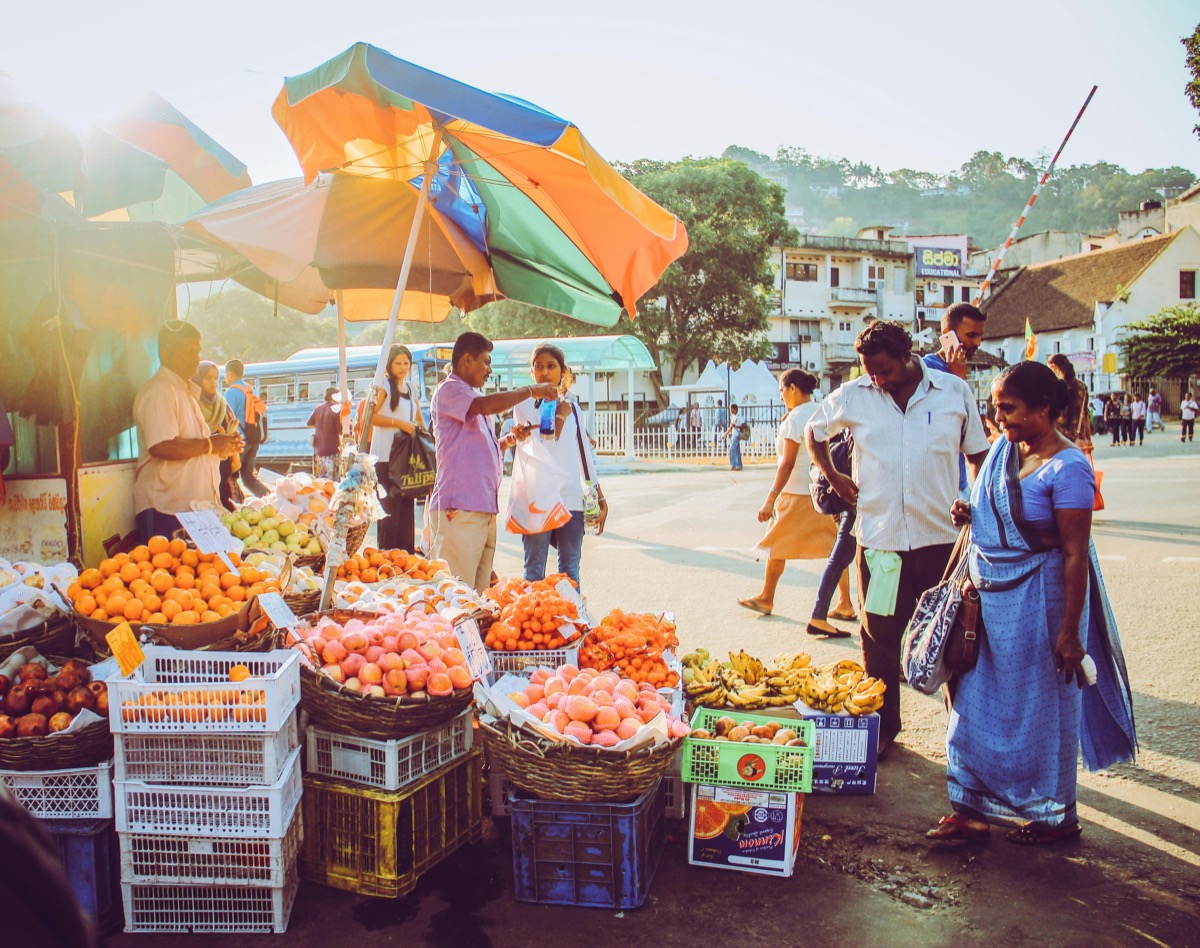
Kandy sits at a different altitude - literally and gastronomically - from coastal Colombo. The cuisine here reflects the city’s position as the last royal capital of Sri Lanka: subtly spiced rather than fiery, rooted in Kandyan tradition, and shaped by the highland agricultural land that surrounds it. A food tour in Kandy means eating your way from the market district near the bus stand to the lakeside restaurants and into the lanes behind the Temple of the Tooth, where small family kitchens have been cooking the same recipes for generations.
Here’s what to know before you book.
Kandyan Food: What Makes It Different
Sri Lankan food varies considerably by region. Coastal Colombo leans on seafood and the influences of Malay, Dutch, and Portuguese traders. Jaffna in the north is famous for its intensely spiced crab curries and palmyra toddy. Kandy occupies different ground: highland produce (greens, yams, pumpkins), freshwater fish from the Mahaweli river system, and Kandyan ceremonial dishes that date to the royal courts.
Kandy curries tend to use slightly less coconut milk than coastal variants and rely more on roasted spice paste for depth. The dark roasting (known as “black curry” preparation) gives some Kandyan dishes a richer, smokier base than the paler, coconut-forward curries you find in Galle or Weligama.
Pittu is a steamed cylinder of ground rice and coconut that’s eaten more commonly here than along the coast - served with a coconut milk gravy, vegetable curry, or fish curry. Texture-wise it’s drier and grainier than idiyappam (string hoppers), with a denser bite. Worth trying from a proper pittu maker rather than a hotel, where it can be stodgy.
Kola kenda is a rice congee made with medicinal herbs - green-coloured and slightly bitter, usually eaten at breakfast with jaggery. It’s a traditional Kandyan morning food that has come back into fashion among health-conscious locals and appears at several tea kiosks near the market.
Kiribath (milk rice) appears at festivals, ceremonies, and as a breakfast item throughout the hill country. A thick block of rice cooked with coconut milk, cut into diamond shapes and eaten with lunu miris (a wet chilli and onion relish), jaggery, or seeni sambol (caramelised onion). Several cooking classes in Kandy use kiribath as a centrepiece.
Ceylon tea is omnipresent in Kandy - the city sits at the edge of the central highlands where Dimbula and Kandy-region teas are grown. The tea served in local shops is generally estate tea brewed strong and served with sugar and tinned milk; if you want to understand the difference between highland estates, ask a guide to take you to a tea room that stocks multiple single-estate varieties.
The Best Food Tour Operators in Kandy
Kandy Food Walk (via GetYourGuide)
The most consistently booked Kandy food tour on GetYourGuide. Covers Kandy Central Market, three street food vendors around the Bogambara Prison roundabout area, a traditional Kandyan rice and curry lunch at a local home, and a tea tasting at a small shop near the Dalada Maligawa gate. Groups capped at 10. Runs Tuesday to Sunday, starting at 9am. Browse Kandy food tours and cooking classes to compare current options and check availability.
Approximate price: USD 30–40 per person as of 2026. Private option available at approximately USD 90–110 for two.
Kandy Culinary Experience (Airbnb Experiences)
Several Kandy-based home cooks run half-day market-to-table experiences where you shop at Kandy Market, prepare four to five dishes, and eat together. The formats vary by host - some focus on a full rice and curry spread, others centre on Kandyan ceremonial dishes including the kiribath and kokis (crisp rice-flour sweets fried in coconut oil). Most sessions run 3–4 hours.
Approximate price: LKR 6,000–12,000 per person as of 2026 depending on the host and what’s included.
Heritance Kandalama Food Journeys
Heritance Kandalama (approximately 15km from Kandy, near Dambulla) runs guided village culinary experiences that include a market visit, a traditional Kandyan kitchen session, and lunch on the veranda. This is a more polished experience, better suited to travellers who want a luxurious setting alongside the cooking. A day trip from Kandy is feasible.
Approximate price: approximately USD 55–75 per person as of 2026; transport from Kandy hotel can be arranged.
Self-Guided Kandy Market Morning
The Kandy Central Market - the main market building near the bus stand - is completely walkable on your own and genuinely excellent. Open daily from approximately 6am. The ground floor handles vegetables, spices, and local produce; the upper level covers dry goods, fabric, and household items. Around 8–9am, small food stalls set up along the outer perimeter serving thosai, pol sambol, and kola kenda. No guide needed; budget LKR 200–500 for breakfast.
Where the Tours Go: Key Kandy Food Spots
Kandy Central Market is the anchor of any Kandy food experience. Vendors sell freshly cut jak (jackfruit), plantains in half a dozen varieties, pumpkins, bitter melon, and drumstick (moringa pods). The spice section has a permanent cluster of traders selling cinnamon sticks, green cardamom, goraka (a tamarind-like souring agent essential to Kandyan fish curries), and pandanus leaves. Arrive before 9am for the best selection.
Kandy Lake and the Dalada Maligawa Area - the streets immediately around the Temple of the Tooth attract vendors selling short eats, string hoppers, and kola kenda from push carts, particularly in the early morning and late afternoon. Several tea kiosks operate along the lakeside walkway (the Bogambara Lake path); these serve plain Ceylon tea for LKR 60–80 per cup and are worth a stop even without a guide.
Katugastota Road (about 3km north of the city centre) has a string of local eateries that serve rice and curry lunches to working Kandy residents rather than tourists. These places change constantly, but a guide who knows the area will take you somewhere that does the full Kandyan spread - six or seven small dishes plus a main. Lunch here runs approximately LKR 400–700 per person.
Kandy City Centre Mall area has a night market that sets up near the clock tower from around 6pm, with vendors selling grilled corn, isso wade, fruit juices, and the kind of snacks that locals actually eat after work. A free and easy addition to any evening in Kandy.
Cooking Classes in Kandy
Several guesthouses and standalone cooking schools run Kandyan cooking classes. The best ones include:
Helga’s Folly - the eccentric boutique hotel near the Temple of the Tooth runs occasional cooking sessions with their kitchen team. Booking is ad hoc; enquire directly.
Kandy Cooking Classes at local homes (Airbnb/GetYourGuide) - multiple families in the Peradeniya and Katugastota areas host morning cooking sessions that focus specifically on Kandyan temple cuisine - the kind of food offered at ceremonies, which is by definition vegetarian and particularly elegant. From approximately LKR 5,000–8,000 per person as of 2026.
Ceylon Cooking Workshop - a more structured school-style setup near the University of Peradeniya that runs half-day and full-day programmes. Good for beginners; provides written recipes. From approximately USD 30–45 per person.
Eating Around the Temple of the Tooth
The area immediately around the Dalada Maligawa draws a lot of tourist restaurants that tend toward expensive, mediocre approximations of Sri Lankan food aimed at visitors who don’t know better. Avoid anything with laminated menus featuring glossy photos of rice and curry.
Better options are within a 10-minute walk. Devon Restaurant on Dalada Veediya is a long-established local institution - noisy, fast-paced, and consistently good for rice and curry, thosai, and short eats. Lunch around LKR 400–600 per person. Bake House Restaurant on Carmel Street does reasonable string hoppers and pol sambol in the mornings. Neither is a tourist destination; both are worth the walk.
Practical Details
Most food tours start around 8–9am to catch the market at its best. Kandy can be cool in the mornings, especially January to March - bring a layer. The market district is walkable but involves crowds and narrow lanes; close-toed shoes make more sense than sandals.
Kandy food is generally less spicy than coastal Sri Lankan food but still uses fresh green chillies and black pepper generously. If you have a low heat tolerance, flag it upfront - most operators can route around the hottest preparations.
The dry zones around Kandy mean that alcohol availability varies. Many local restaurants don’t serve alcohol at all; the lakeside hotels (Hotel Suisse, Queens Hotel) do. This isn’t a factor on food tours, but worth knowing for evening dining.
A Kandy food tour pairs naturally with an afternoon at the Temple of the Tooth (open for puja at 6.30am, 9.30am, and 6.30pm; entry approximately LKR 1,500 for foreign nationals as of 2026) and an evening walk along the lake. For a wider range of Kandy tours - from cooking workshops to tea estate visits - browse activities in Kandy. Done in that order - market in the morning, temple in the afternoon, lakeside stroll at dusk - it makes for one of the more complete days you can spend in Sri Lanka. Most visitors base themselves in Kandy for at least two nights - Hotels in Kandy near the lake put you within walking distance of the morning market and the temple.