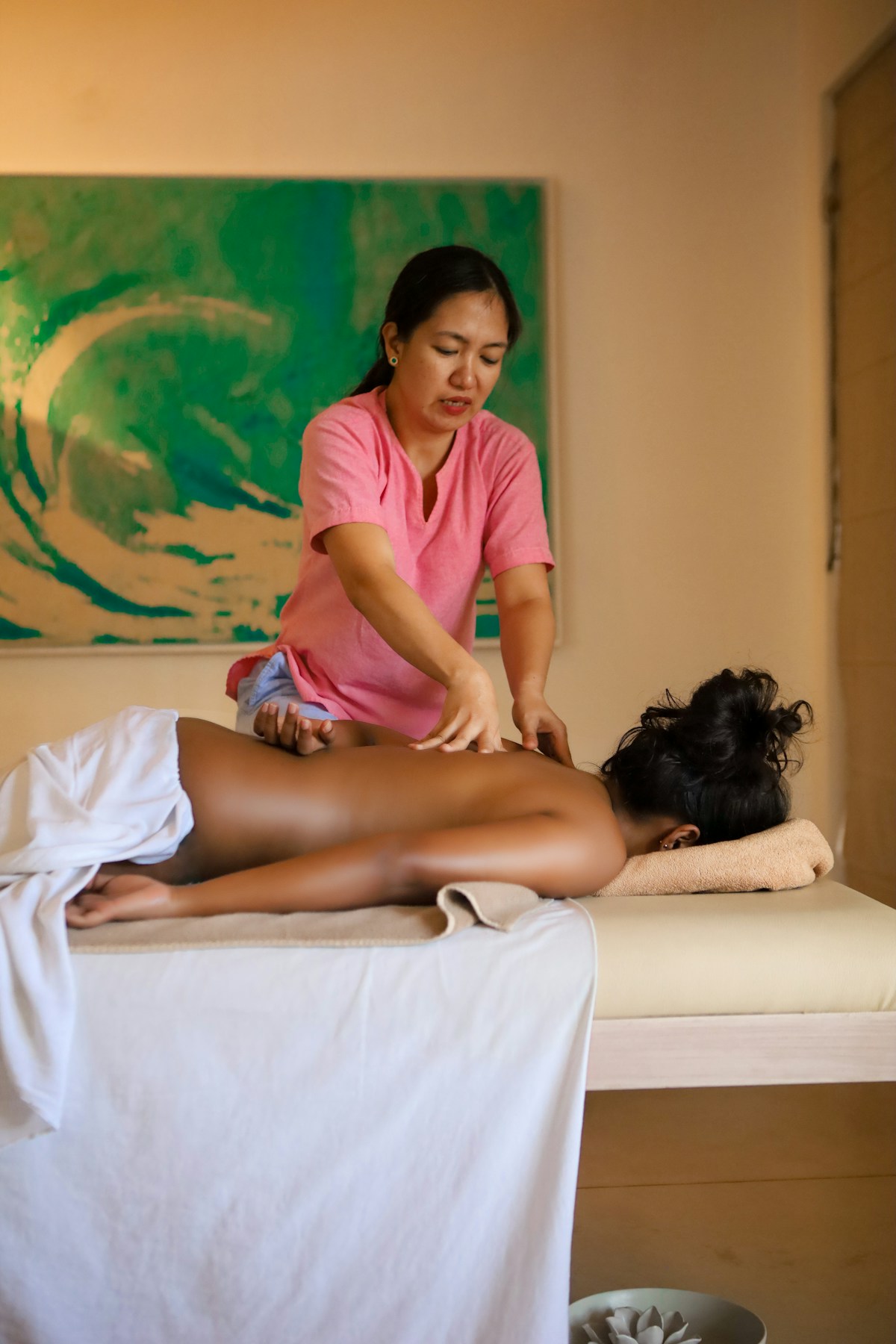
Ayurveda - the ancient Indian system of medicine - has been practiced in Sri Lanka for over 2,000 years and is deeply embedded in local culture. Unlike the sanitised wellness spa version common elsewhere in Asia, Sri Lanka has a tradition of clinical Ayurveda practised by qualified physicians (Ayurvedic Doctors, not massage therapists), and the country has its own lineage of treatments adapted from the broader Indian tradition.
For travellers, the distinction between authentic Ayurveda and tourist-facing massage packages matters - not because the latter is without value, but because they are very different things.
Authentic Ayurveda vs Spa Treatments
Clinical Ayurveda begins with a consultation with a qualified Ayurvedic physician who assesses your constitution (prakriti) and current imbalance (vikriti), prescribes a treatment programme of specific duration, and oversees the treatments personally. Panchakarma - the most intensive detoxification programme - requires a minimum 7-day residential stay (usually 14–21 days for full effect) under daily physician supervision. It involves a sequence of oil massages (abhyanga), steam therapy, and various detoxifying treatments. This is genuinely therapeutic, not merely relaxing.
Spa treatments at beach resorts and tourist guesthouses offer individual treatments - a 90-minute full-body massage (Abhyanga), a Shirodhara (warm oil poured continuously on the forehead), or a herbal steam bath. These are pleasant and have real relaxation benefits, but they are not clinical Ayurveda. They don’t require a consultation, they don’t follow a treatment protocol, and they won’t address chronic health conditions.
Both are valid, depending on what you’re looking for.
Where to Go
Kandy and the Hill Country: Sri Lanka’s most established Ayurveda region. Several genuine Ayurvedic hospitals and retreat centres operate here, including some that have been running for generations. The cooler climate suits longer residential stays.
Galle and the South Coast: several boutique Ayurveda resorts have opened in recent years, mostly aimed at international travellers seeking a luxury wellness experience. Quality varies. The better ones have consulting physicians; some are primarily spa operations with Ayurvedic branding.
Bentota and Beruwala: historically a hub for Ayurvedic treatment hotels since the 1970s beach resort development. Some long-running operations here, including Barberyn Beach - one of Sri Lanka’s most established clinical retreats.
Inland retreats: several smaller, more isolated retreat centres operate in rural areas outside Kandy and in the hill country - these tend to offer the most authentic (and least expensive) programmes for those willing to forgo comfort for substance.
Named Retreat Centres
The following centres are among the most established in Sri Lanka. Prices are approximate as of 2026 and vary significantly by room type, programme length, and season.
Barberyn Beach Ayurveda Resort (Beruwala, West Coast) Operating since 1986, Barberyn is one of Sri Lanka’s longest-running clinical Ayurveda operations. Resident BAMS physicians oversee all programmes; the minimum stay is 7 nights and most guests book 14 or more. Meals are Ayurvedic vegetarian. Approximate nightly rates: USD $120–200 including full board, treatments, and physician consultations. A 14-day programme runs approximately USD $1,700–2,800 depending on room category.
Siddhalepa Ayurveda Resort (Waskaduwa, near Mount Lavinia) Siddhalepa is a well-known local Ayurvedic brand with its own pharmaceutical manufacturing - the in-house oils and preparations are made on-site. The resort focuses on shorter programmes (3–7 days) as well as single-day treatments. Approximate nightly rate: USD $75–110 including meals and daily treatments.
Jetwing Ayurveda Pavilions (Negombo) The upmarket option, part of Jetwing’s hotel network. Physician-led programmes with clinical rigour matched by premium accommodation and facilities. Approximate nightly rate: USD $190–280 including board and treatments. Better suited to guests who want clinical Ayurveda without austere surroundings.
Santani Wellness Resort and Spa (Kegalle, near Kandy) A more recently established property in the hill country, blending Ayurveda with yoga and modern wellness. Not as clinically intensive as Barberyn or Siddhalepa but strong on integration of practices. Approximate nightly rate: USD $250–380, though Ayurveda programmes are priced separately on top of the base room rate.
Ayurvedic Village (Marawila, North Western Coast) A mid-range option aimed at both local and international guests, with resident physicians and a full-board Ayurvedic diet. More rustic than the resort options but genuine. Approximate nightly rate: USD $60–90 including meals and treatments.
Best Retreats by Budget
| Budget tier | What to expect | Approximate cost per night (as of 2026) | Example properties |
|---|---|---|---|
| Budget | Local Ayurvedic centres, basic rooms, no-frills food, genuine physician consultations | USD $30–60 (LKR 9,000–18,000) | Inland hill country centres, Kegalle area |
| Mid-range | Established resorts, resident physicians, Ayurvedic vegetarian meals, proper programme structure | USD $75–150 (LKR 22,500–45,000) | Siddhalepa, Barberyn (lower categories), Ayurvedic Village |
| Luxury | Premium rooms or villas, clinical rigour plus resort facilities, personalised programmes | USD $190–380+ (LKR 57,000–114,000) | Jetwing Ayurveda Pavilions, Santani, Barberyn upper categories |
Budget-tier centres can be genuine - lower price doesn’t indicate lower clinical quality. The BAMS physician qualification and consultation-before-treatment rule apply at all price points.
Comparing Retreat Types
Not every Ayurveda experience in Sri Lanka is a two-week residential programme. Here is a comparison of what each format involves:
| Type | Duration | Approximate cost | What it addresses |
|---|---|---|---|
| Single day spa session | 1.5–3 hours | LKR 5,000–20,000 ($15–65) | Relaxation; curiosity; no clinical protocol |
| Short programme | 3–5 days | USD $225–750 mid-range | Introduction to clinical Ayurveda; mild detox |
| Standard retreat | 7 days | USD $525–1,050 mid-range | Initial Panchakarma; stress and fatigue |
| Full Panchakarma | 14–21 days | USD $1,050–3,150 mid-range | Deep detoxification; chronic conditions |
The 7-day minimum is a genuine threshold, not marketing language. Panchakarma involves sequential stages - preparatory oleation and sweating (purvakarma), the main procedures (pradhanakarma), and post-procedure dietary restoration (paschatkarma) - which cannot be meaningfully compressed into 3 or 4 days.
Costs
Residential Ayurvedic programmes: typically quoted per day including accommodation, meals (Ayurvedic diet, usually vegetarian), and daily treatments. Expect USD $80–150/day at established mid-range centres; $200–400/day at luxury resorts.
A 14-day Panchakarma programme: $1,200–2,500 at mid-range; $3,000–6,000 at luxury properties.
Individual spa treatments at tourist guesthouses: LKR 3,000–8,000 ($10–26) for a 60–90 minute massage; LKR 5,000–12,000 for Shirodhara.
Booking Lead Times and Best Season
When to go: Sri Lanka’s Ayurveda tradition considers the monsoon period (May–September on the southwest coast) particularly effective for Panchakarma - the cool, humid air opens the pores and the body is considered more receptive to treatments. This aligns with the Keralite Karkidaka tradition. Practically, this means May–September is a good period to book, and many centres offer lower rates during what would otherwise be shoulder season.
Best season for budget: May–September rates at most centres are 10–20% lower than peak season rates.
Booking lead times:
- December–February (peak): book 3–6 months ahead at established centres; 6+ months for luxury properties with limited rooms
- March–April, September–November (shoulder): 4–8 weeks ahead
- May–August (monsoon / low season): 2–4 weeks usually sufficient, though popular centres still fill specialist programme slots
For a 14-day or longer programme, contact the centre directly rather than booking through a third party. Initial consultation details, medical history, and dietary requirements are typically discussed in advance so the physician can plan the programme before you arrive.
Booking an Authentic Programme
For a genuine clinical stay:
- Look for centres where the resident physician is a qualified BAMS graduate (Bachelor of Ayurvedic Medicine and Surgery) - Sri Lanka has its own government-recognised Ayurvedic qualification system
- Ask if the consultation with the physician is included before treatment begins
- Ask what the daily treatment schedule looks like and who supervises it
- Minimum meaningful duration: 7 days; most physicians recommend 14 days minimum for Panchakarma
For shorter introductory experiences, Ayurveda and wellness tours in Sri Lanka can include a half-day session at an established centre without committing to a full residential programme.
Reading reviews carefully helps - genuine Ayurvedic centres attract guests who discuss treatment protocols and physician consultations, not just “amazing massages.”
What to Expect on Arrival
At a proper Ayurvedic centre, the first day begins with a detailed physician consultation. The doctor takes your pulse (nadi pariksha), examines your tongue, eyes, and skin, and asks about diet, sleep patterns, digestion, and any conditions you’re addressing. From this, a treatment programme is prescribed - specific oils, specific sequences, specific dietary guidance.
The daily schedule typically involves morning yoga or meditation (optional), a treatment session of 1.5–3 hours in the late morning, a prescribed lunch, rest in the afternoon, and an evening consultation or group activity. Alcohol is avoided; some programmes restrict meat. The oil used in treatments is prescribed according to your constitution and gets into clothing and hair - bring clothes you don’t mind getting oily.
Practical Note
Sri Lanka has no shortage of guesthouses that offer “Ayurvedic massage” with no physician, no protocol, and no meaningful distinction from a general relaxation massage beyond the use of herbal oils. These are fine as a relaxation treatment but shouldn’t be booked expecting clinical results. If in doubt, ask directly: “Is there an Ayurvedic doctor on site who will consult with me before treatment begins?”
Plan Your Trip
Sri Lanka’s most established Ayurveda centres are clustered around Kandy and the hill country. The Santani Wellness Resort is near Kegalle, between Colombo and Kandy. Barberyn Beach is at Beruwala on the west coast, easily combined with a stay in Negombo before or after flying through Bandaranaike International Airport. If you’re planning a longer trip that combines Ayurveda with cultural sights, see the 3-week Sri Lanka itinerary - Kandy is a natural hub for both. For wellness travellers particularly interested in yoga alongside Ayurveda, Ella and Unawatuna both have a strong yoga retreat scene. Read more about Sri Lanka’s health and safety essentials for medical context relevant to treatments. To plan your Ayurveda stay around the most suitable season, check when to visit Sri Lanka - the monsoon months (May–September) are considered particularly effective for Panchakarma.
Related Guides
- Yoga retreats in Sri Lanka - many retreats combine Ayurveda with daily yoga sessions
- Kandy travel guide - the main hub for Ayurveda centres in the hill country
- Unawatuna travel guide - yoga and wellness centres on the south coast
- Health and safety in Sri Lanka - medical context and vaccine requirements
- Sri Lanka honeymoon itinerary - Ayurveda retreats are a popular honeymoon choice
- Best time to visit Sri Lanka - monsoon season is considered optimal for Panchakarma