Galle: UNESCO Fort, South Coast Beaches & Day Trips
Complete guide to Galle: UNESCO-listed Galle Fort, south coast beaches, top restaurants, accommodation, and day trips to Unawatuna and Mirissa.
Guides for Galle
Galle is a port city of around 100,000 people in Galle District, Southern Province, located 120km south of Colombo. It is reachable in approximately 2 hours via the Southern Expressway, making it one of the more accessible major tourist destinations in Sri Lanka from the capital.
The main draw is Galle Fort - a 36-hectare fortified town built by the Portuguese in the 16th century and expanded by the Dutch in the 17th. The Dutch East India Company (VOC) ran Galle as a major regional trading hub for over 150 years, and the fort as it stands today is a product of Dutch colonial engineering. It is a UNESCO World Heritage Site.
Galle Fort
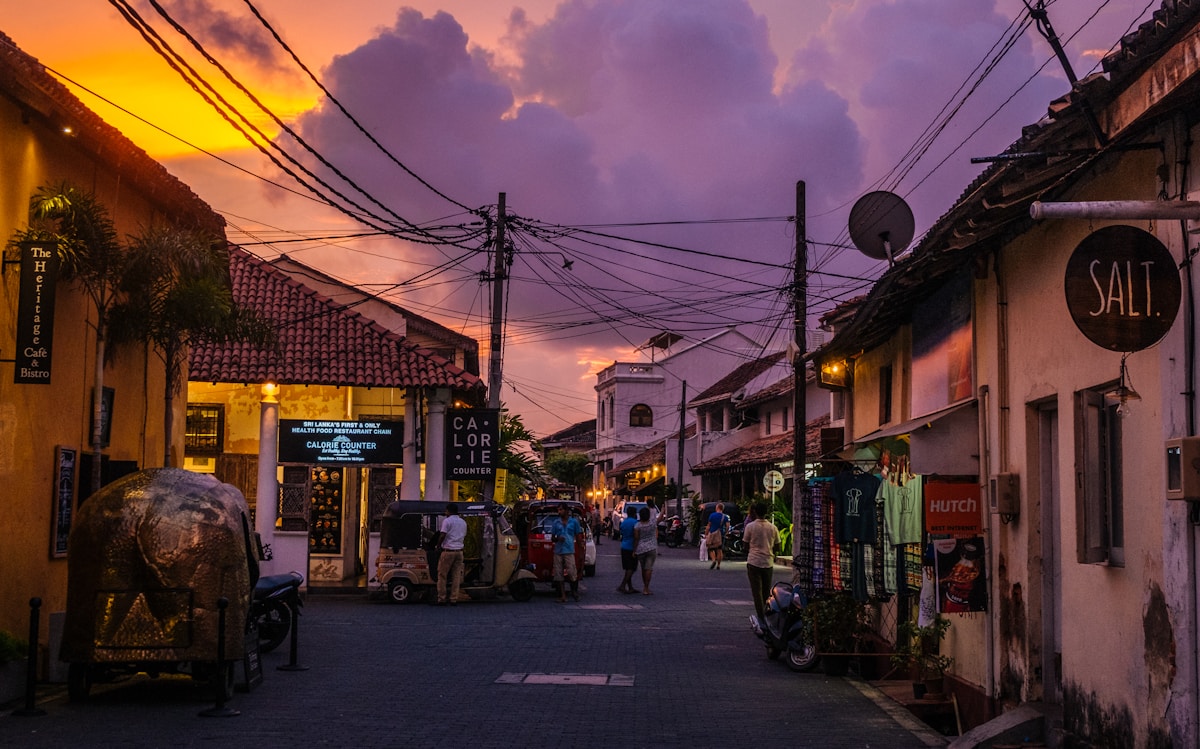
The Fort is the most intact colonial fort in South and Southeast Asia still in active use as a town. About 400 families live within the walls alongside boutique hotels, cafes, galleries, and shops. The atmosphere is unlike anything else in Sri Lanka - narrow streets between Dutch-era buildings, a lighthouse, three bastions, a 2km circuit of ramparts, and a working harbour visible from the walls.
Walking the full rampart circuit takes about 45 minutes at a slow pace. Sunset from the ramparts is the most popular activity and the area near the lighthouse fills up between 5:30pm and 6:30pm. Guided tours of Galle Fort add historical context to the rampart walk and colonial buildings, and typically cover the Dutch Reformed Church, the lighthouse, and the Old Dutch Hospital in one circuit.
Key buildings within the Fort: the Dutch Reformed Church (1755), the Old Dutch Hospital (17th century, restored and now an open-air dining and shopping complex with several separate operators), the National Maritime Museum, the Galle Fort History Museum, and the working Galle Lighthouse (1939, not open to the inside).
Galle International Cricket Stadium
The cricket ground sits directly inside the Fort walls, its outfield visible from the ramparts. It is one of the most scenic test cricket venues in the world. When a test match is scheduled - typically once or twice a year - the ground draws international crowds and accommodation in and around the Fort sells out weeks in advance. Check the Sri Lanka Cricket calendar before visiting if you want to combine both.
Outside the Fort
The city outside the fort walls is a working Sri Lankan town. The Galle fish market (near the harbour, busiest before 8am) gives a more authentic view of the city’s economy than the boutique streets of the Fort. The main bus station and most budget accommodation are outside the Fort walls.
Jungle Beach is 10 minutes by tuk-tuk from the Fort. It is a small sheltered cove below Rumassala Hill, calmer and less developed than Unawatuna, with reasonable snorkelling in the rocks at the edges.
Unawatuna is 8km east - a horseshoe-shaped bay with a broader sand beach and more accommodation options. Reachable by tuk-tuk in 15 minutes.
Getting to Galle
By Road from Colombo: The Southern Expressway connects Colombo to the Pinnaduwa interchange near Galle. Express buses from Colombo take approximately 1.5 hours and cost LKR 200–300. Private taxis take about 2 hours including town traffic and cost around LKR 4,000–6,000.
By Train: The coastal train from Colombo Fort to Galle takes about 2.5 hours and is scenic - the line runs directly along the coast for much of the journey. Cheap (LKR 150–300 depending on class) and reliable for the route. Trains stop at Galle station, a 10-minute tuk-tuk ride from the Fort.
From Ella or Hill Country: Most visitors come by road. The drive from Ella takes around 3 hours.
When to Go
December to March is peak season. Weather is dry on the south coast, seas are calm, and Galle’s tourism infrastructure runs at full capacity. The Galle Literary Festival (international writers festival, typically January) draws additional visitors and raises Fort accommodation prices significantly.
April to October brings the southwest monsoon, which affects the south coast. Rain and rough seas are common from May onward. Most beach activities in Unawatuna and nearby areas are reduced, and some boat tours stop completely. The Fort itself functions normally year-round regardless of weather.
Practical Notes
- Galle Fort is compact - everything within the walls is walkable in 20 minutes
- Tuk-tuks are the practical way to reach Jungle Beach, Unawatuna, or the bus station from the Fort
- The Fort area charges tourist prices for food and accommodation; local prices return the moment you step through the Fort gate
- Local airport at Koggala (12km east) handles chartered and small domestic flights
- Good ATMs are available both inside and outside the Fort
To book Galle Fort walking tours, whale watching day trips from Mirissa, or south coast excursions with transport included, browse Galle tours and activities.
Search hotels in Galle on Booking.com - compare all options and filter by area, rating, and price.
More in Galle
- Where to Eat in Galle
- Day Trips in Galle
- Things to Do in Galle
- Where to Stay in Galle
- Galle vs Colombo
Related Guides
- Whale watching in Mirissa - 38km east of Galle; blue whales November to April
- Sinharaja Forest Reserve - 2–3 hours from Galle; UNESCO rainforest and birding
- Snorkelling and diving on the south coast - Hikkaduwa reef 20km north and Unawatuna 5km east
- Southern coast itinerary - Galle to Yala via Mirissa, Hiriketiya, and Tangalle
- Sri Lankan food guide - what to eat; Galle Fort has some of the island’s best restaurants
- Unawatuna travel guide - the nearest beach, 5km east of Galle Fort
Frequently Asked Questions
- How far is Galle from Colombo?
- Galle is 120km south of Colombo. By the Southern Expressway, express buses take approximately 1.5 hours (LKR 200–300). By train, the coastal service takes about 2.5 hours and runs directly along the coastline for much of the journey.
- Is Galle Fort a UNESCO World Heritage Site?
- Yes. Galle Fort is a UNESCO World Heritage Site - a 36-hectare fortified town built by the Portuguese in the 16th century and expanded by the Dutch East India Company in the 17th. It is the most intact colonial fort still in active use as a town in South and Southeast Asia.
- What is the best time of year to visit Galle?
- December to March is the peak season - dry weather, calm seas, and full tourist services. The Galle Literary Festival takes place in January and increases demand for Fort accommodation significantly. May to October brings the southwest monsoon, which limits beach activities but does not affect the Fort itself.
- How long does it take to walk around Galle Fort?
- The full rampart circuit is 2km and takes about 45 minutes at a relaxed pace. The Fort's streets can be covered on foot in about 20 minutes. Allow at least half a day to explore the Fort properly, or a full day if you want to visit the museums and nearby beaches.
- What is there to see inside Galle Fort?
- The main sights inside the Fort are the ramparts walk, the Dutch Reformed Church (1755), the Old Dutch Hospital, the National Maritime Museum, the Galle Lighthouse, and the cricket ground - one of the most scenic test venues in the world.
- Is Galle Fort expensive to visit?
- Entering the Fort itself is free. Prices for food and accommodation inside the walls are significantly higher than outside - a main course at a mid-tier Fort restaurant costs $4–8. Step through the Fort gate and local prices return immediately.
Upcoming Events in Galle
- Galle Literary Festival 2027
galle
Galle Literary Festival 2027 inside Galle Fort. 2027 dates to be announced - check galleliteraryfestival.com for confirmed details.
Book an experience
Top experiences in Galle
Explore the best tours and activities in Galle , with instant confirmation and free cancellation on most bookings.
Planning to visit? Browse hotels in Galle, free cancellation on most bookings.