Search hotels in Hikkaduwa on Booking.com
Hikkaduwa’s central position on the south coastal highway makes it a convenient base for a string of day excursions. Galle Fort is 30 minutes south; Ambalangoda’s mask workshops and the Kosgoda turtle hatchery are 15–23km north. A tuk-tuk handles most of these; a hired vehicle is worth it for a full-day multi-stop circuit.
Galle Fort - 19km South
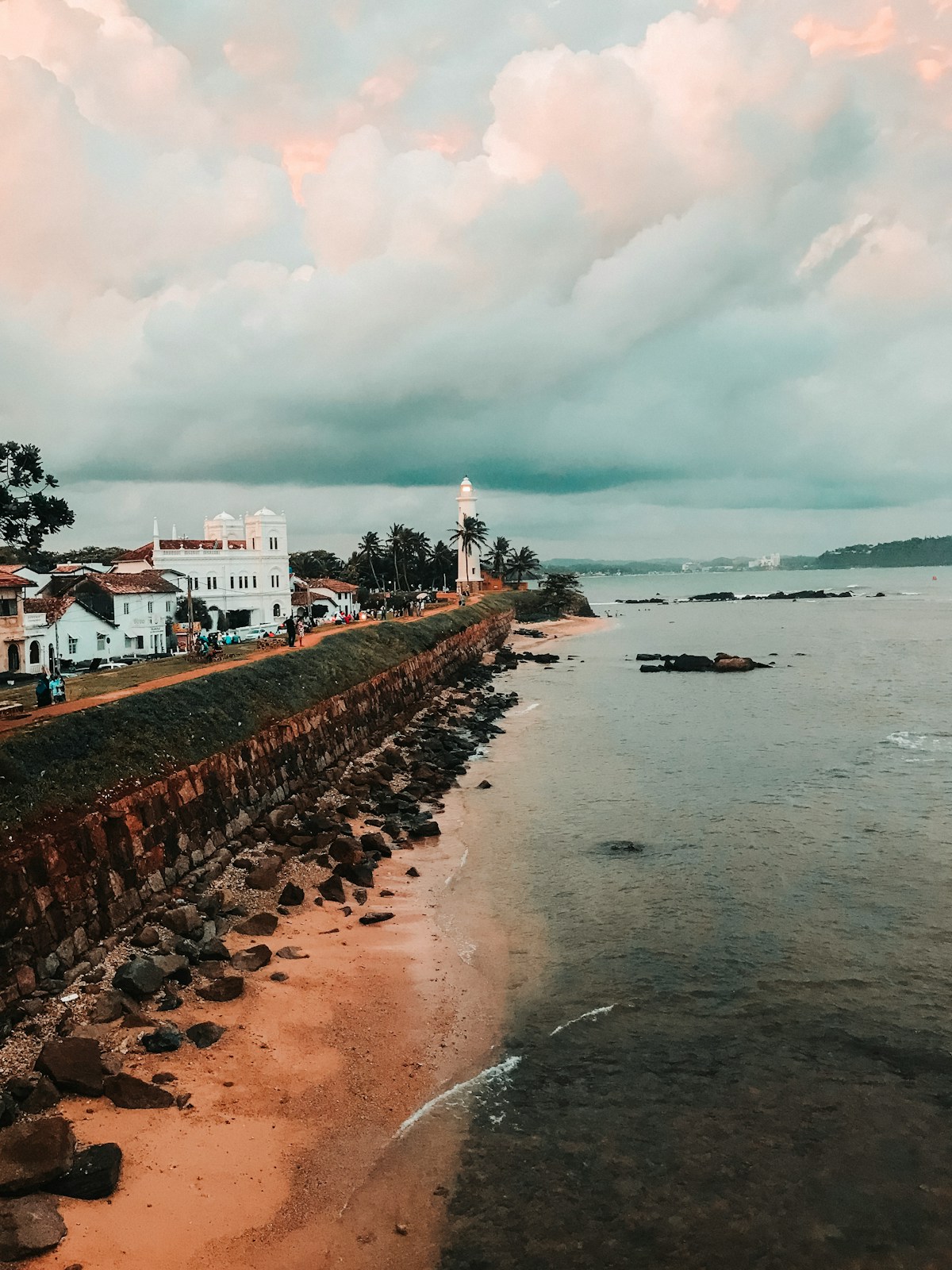
Galle Fort is the most important day trip from Hikkaduwa and is close enough to visit comfortably in a half-day. The UNESCO World Heritage Site Dutch fort, built on a Portuguese foundation in 1663, is one of the best-preserved colonial fortifications in Asia. Day tours from Hikkaduwa to Galle and the south coast are bookable in advance.
Getting there: Coastal bus along the A2 (LKR 40–60, about 30 minutes). Tuk-tuk approximately LKR 1,200–1,800. Train from Hikkaduwa station also serves Galle - the train is slower than the bus but more scenic (approximately LKR 50–80, check current timetable at the station).
What to see inside: The fort interior is a living neighbourhood of Dutch and colonial-era buildings converted into boutique hotels, cafés, galleries, and jewellery workshops. The lighthouse at the southwest bastion, the Dutch Reformed Church, and the old hospital building are the most notable architectural landmarks. A walk around the full rampart (about 3km) takes 45 minutes and offers sea views on three sides. Most visitors spend 2–4 hours inside the fort.
Entry: No charge to enter or walk the fort and ramparts.
Unawatuna Beach - 24km South
Unawatuna, 5km beyond Galle, is a natural crescent bay with the most sheltered swimming on the south coast. The beach curves between two headlands, keeping the water calm even when the open sea outside Galle is choppy.
Transport from Hikkaduwa: Coastal bus to Galle then local bus or tuk-tuk to Unawatuna (total approximately LKR 80–120 on public transport). Tuk-tuk directly from Hikkaduwa approximately LKR 1,600–2,200. A hired vehicle makes the combination of Galle Fort + Unawatuna + possibly Mirissa a full-day south circuit.
Beach: Snorkelling on the reef at the eastern end of the bay is good, with sea turtles regularly visible. The Rumassala hill at the eastern end of the beach has a temple and a nature reserve (the forest is said to contain rare medicinal herbs). Restaurants and bars line the beach road.
Kosgoda Sea Turtle Conservation
Kosgoda, 23km north of Hikkaduwa on the A2, is home to one of Sri Lanka’s most established sea turtle conservation projects. Five species of marine turtle nest on this stretch of coast: green, hawksbill, loggerhead, olive ridley, and leatherback.
Visit: Entry approximately LKR 500–700 as of 2026. Open daily; mornings best for activity in the holding tanks. Hatchlings are released at the shoreline in the evenings - ask about evening visits when you arrive. Boat trips to observe turtles in the sea are also offered by some operators here.
Getting there: Coastal bus from Hikkaduwa northbound (LKR 30–50). Tuk-tuk approximately LKR 1,000–1,500 return with waiting time.
Ambalangoda Mask Museum - 15km North
Ambalangoda is Sri Lanka’s traditional centre of mask carving, and the workshops here produce the elaborate painted wooden masks used in kolam (folk theatre) and sanni yakuma (healing ceremonies). The tradition dates back centuries and the masks represent demons, characters from traditional stories, and ritual figures.
Ariyapala and Sons Mask Museum: The most accessible establishment. The attached museum has examples of all 24 sanni yakuma demon masks and a selection of kolam characters. A workshop is visible through a glass window where carvers work on orders. Entry approximately LKR 300–500 as of 2026. Masks in the adjacent shop range from small (LKR 500–1,500) to large ceremonial pieces (LKR 5,000–15,000).
Getting there: Coastal bus northbound from Hikkaduwa (LKR 25–40, about 20 minutes). Tuk-tuk approximately LKR 600–900.
Bentota - 35km North
Bentota is the most developed beach resort area north of Hikkaduwa, with a range of watersports (waterskiing, jet skiing, windsurfing) on the Bentota Lagoon and the Bentota river. The lagoon is calm and good for non-ocean swimmers. The Turtle Conservation Project at Bentota is separate from Kosgoda but covers the same species.
Accessible by coastal bus or train from Hikkaduwa (approximately 40 minutes by train, LKR 50–80). Best for families who want organised watersports rather than open-ocean activities.
Planning Your Sri Lanka Trip?
- Book tours & activities in Hikkaduwa
- Find hotels in Hikkaduwa
- Travel insurance for Sri Lanka
- Get a Sri Lanka eSIM
- Find flights to Sri Lanka