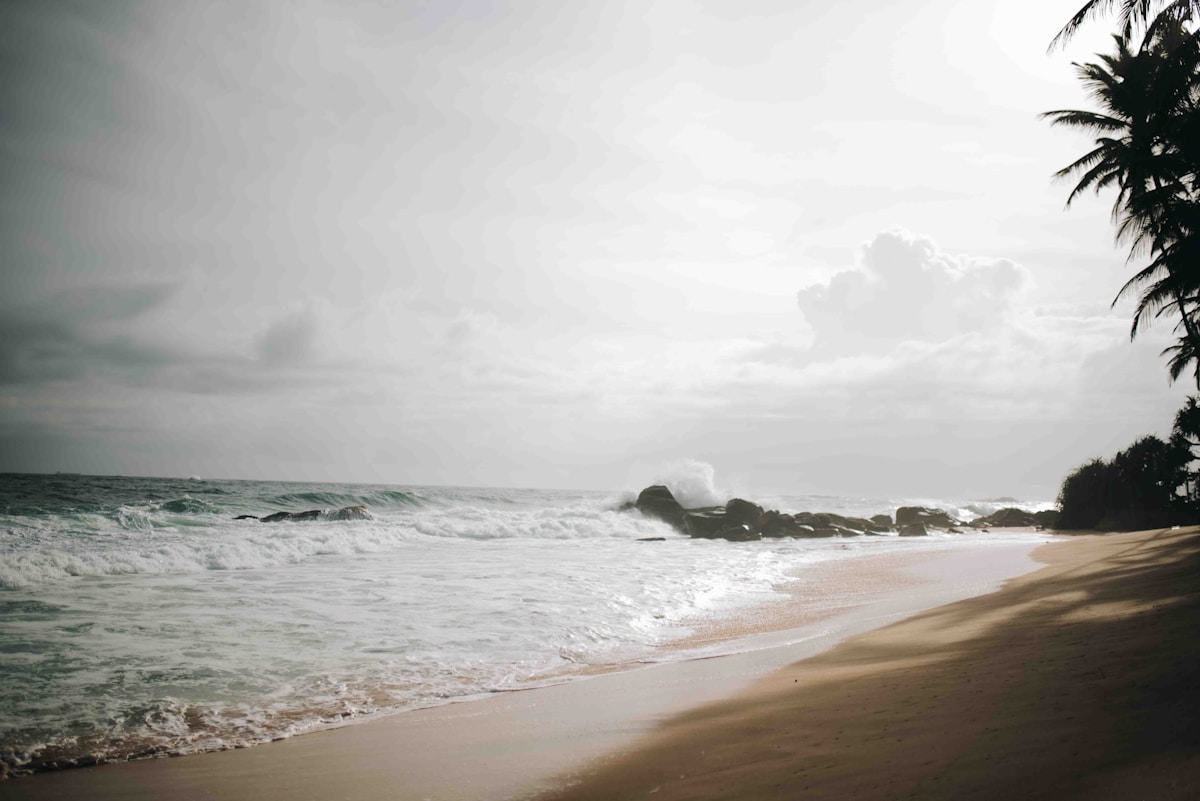
Hikkaduwa and Mirissa both sit on Sri Lanka’s southwest coast within a 35km stretch, but they’ve evolved into quite different beach towns. Hikkaduwa was Sri Lanka’s first beach destination to attract Western travellers, and the reef in front of the beach is still the most accessible and species-rich on the south coast. Mirissa came later and built its reputation on whale watching and a beach bar scene that peaks between November and April. Both are excellent - the choice depends on what draws you.
Quick Comparison
| Factor | Hikkaduwa | Mirissa |
|---|---|---|
| Vibe | Established beach town, surf, reef snorkelling | Backpacker beach, whale watching, social |
| Key draw | Coral reef, sea turtles, surf break | Blue whale watching (Nov–Apr), Coconut Tree Hill |
| Avg guesthouse (LKR/night) | 3,500–15,000 | 3,500–12,000 |
| Avg meal (LKR) | 600–1,400 | 600–1,400 |
Tours and activities on Sri Lanka’s south coast - including reef dives, whale watching, and day trips to Galle - can be booked in advance. | Best for | Snorkellers, surfers, reef enthusiasts, nightlife | Whale watching season, beach atmosphere, backpackers | | Distance from Colombo | 98km south (2 hrs train) | 149km south (3 hrs train) | | Distance from Galle | 17km northwest | 40km southeast |
Quick Verdict: Choose Hikkaduwa for the reef, the turtles, and the surf. Choose Mirissa for whale watching and Coconut Tree Hill. They’re close enough to visit both from a single base - Galle makes a good midpoint.
Hikkaduwa: Sri Lanka’s Original Beach Town
Hikkaduwa’s coral reef stretches from the beach to about 200 metres offshore in the national marine sanctuary zone. Sea turtles - green, hawksbill, and leatherback - are regular reef visitors and often seen within 50 metres of shore. The reef was severely damaged by the 2004 tsunami and took years to recover, but it’s now in reasonable health and worth visiting. The town is more commercial than Mirissa - there’s a long strip of hotels, restaurants, and surf shops along the main beach road.
What to do:
- Hikkaduwa National Park reef snorkelling - glass-bottom boat rides approximately LKR 800–1,200; snorkel gear hire LKR 500–800; best in morning
- Sea turtle watching - turtles feed on the reef year-round; usually spotted on morning snorkel trips; no disturbance protocols in place (go with a good operator who keeps distance)
- Surfing - right-hand break at the main beach for intermediates; learner-friendly waves at the north end; lessons from approximately LKR 3,000–5,000
- Hikkaduwa Lake - 2km east of town; quiet lagoon good for a late afternoon kayak (hire approximately LKR 500/hour)
- Tsunami Museum - small memorial documenting the 2004 disaster; free; worth 30 minutes
Where to stay in Hikkaduwa:
- Coral Sands Hotel - beachfront, longstanding mid-range; doubles from approximately LKR 12,000/night
- Citrus Hikkaduwa - contemporary design hotel with pool; doubles from approximately LKR 18,000/night
- Rick’s Café - popular mid-range right on the beach; doubles from approximately LKR 8,500/night
- Nippon Villa - budget guesthouse; rooms from approximately LKR 3,500/night
Where to eat in Hikkaduwa:
- Roti Grill - excellent roti and kottu; meals from LKR 400–700
- Spaghetti & Co - good pasta and wood-fired pizza for a change; from LKR 1,000
- Cool Spot - beachfront restaurant; seafood and rice curry from LKR 700–1,500
- Refresh Restaurant - local crowd and tourists mix; rice and curry sets from LKR 500
Mirissa: Whales, Coconut Tree Hill, and Beach Life
Mirissa is more concentrated than Hikkaduwa - a single beach arc of about 1.5km with most restaurants and guesthouses clustered along it. The whale watching operation is the biggest in Sri Lanka (blue whale and sperm whale sightings November–April), and Coconut Tree Hill - a photogenic rocky headland with palm trees - has become the south coast’s most Instagrammed spot. The beach scene is social and tends to run late.
What to do:
- Whale watching - November to April; half-day tours departing 6am; approximately LKR 5,500–8,000/person including onboard breakfast; blue whales, sperm whales, and spinner dolphins commonly seen
- Coconut Tree Hill - 10-minute walk east of the beach; rocky headland with palms; best photographed at sunrise or late afternoon; free
- Parrot Rock - wade across to a rocky outcrop at the western end of the beach; good sunset spot; free
- Secret Beach - 2km west by tuk-tuk (LKR 300); quieter strip, some snorkelling, fewer people
- Weligama Bay - 5km west; good learner surf spot and wide bay; tuk-tuk LKR 400
Where to stay in Mirissa:
- Mirissa Hills - hilltop contemporary hotel; doubles from approximately LKR 22,000/night
- Palace Mirissa - sea-view rooms, reliable mid-range; doubles from approximately LKR 7,500/night
- Rajawadu - clean budget guesthouse; rooms from approximately LKR 3,500/night
Where to eat in Mirissa:
- Dewmini Roti Shop - the most-recommended local food stop; roti and curry under LKR 600
- The Fishermen’s Friend - beachfront seafood; grilled fish from LKR 1,200–2,000
- Café on the Bay - smoothie bowls and coffee for morning whale watchers; breakfast from LKR 700
- Amarasinghe Guest House Restaurant - home-cooked Sri Lankan food; rice and curry around LKR 550
Getting Between Hikkaduwa and Mirissa
Train: Both towns have stations on the Colombo–Matara coastal line. Hikkaduwa to Mirissa takes about 40–50 minutes; approximately LKR 80–120. The train is more convenient than the bus for this hop.
Bus: Frequent coastal buses on the A2 road between Hikkaduwa and Matara stop near Mirissa junction (then 1km walk or short tuk-tuk to the beach); approximately LKR 70–100; 40–60 minutes.
Tuk-tuk: Approximately LKR 1,000–1,500 direct; 35–45 minutes.
Best Time to Visit
Both towns sit on the southwest coast and share the same monsoon pattern. November through April is peak season: calm seas, good visibility, and excellent beach conditions. The southwest monsoon (May–September) brings rougher seas and afternoon rain - the beach experience diminishes significantly for both. For Mirissa specifically, whale watching only runs November through April when sea conditions allow safe departures.
For Hikkaduwa, surfing peaks December–February (bigger, more consistent swells) but reef snorkelling is good any time outside the monsoon.
Who Should Go Where
Choose Hikkaduwa if: Reef snorkelling and sea turtle encounters are a priority. You want to surf or take lessons. You want more nightlife and a longer beach strip with more dining options. You’re using Galle as a base and want easy day trips.
Choose Mirissa if: You’re visiting between November and April and want to do a whale watching tour. You prefer a concentrated, social beach scene over a longer more commercial strip. Coconut Tree Hill and the Mirissa beach vibe is what drew you here.
The south coast sweep: The two towns are easily combined on a south coast road trip: Colombo → Hikkaduwa (2 nights) → Galle Fort (1 night) → Mirissa (2 nights) → onward to Tangalle or Ella. The coastal train links them all and the entire route is doable without a car.
More Comparisons
- Ella vs Kandy
- Galle vs Colombo
- Kandy vs Nuwara Eliya
- Mirissa vs Unawatuna
- Negombo vs Colombo
- Sigiriya vs Polonnaruwa
- Trincomalee vs Arugam Bay
Related Guides
- Hikkaduwa travel guide - reef, surf, and where to stay
- Mirissa travel guide - whale watching, beach bars, and restaurants
- Whale watching in Mirissa - season, costs, and how to pick a responsible operator
- Snorkelling and diving on the south coast - Hikkaduwa reef, Pigeon Island, and dive operators
- Southern coast itinerary - logical sequence from Colombo to Yala
- Best beaches on the south coast - full comparison of south coast beaches
🏨 Search hotels in Hikkaduwa - Search hotels in Mirissa