Hikkaduwa is one of Sri Lanka’s longest-established beach destinations, with a coral reef directly offshore and a surf scene that has drawn travellers since the 1970s. It sits on the A2 coastal highway 100km south of Colombo, and its combination of snorkelling, surfing, and turtle encounters makes it one of the more varied beach towns on the south coast.
Hikkaduwa National Park Coral Sanctuary
The coral reef in front of Hikkaduwa beach is the most accessible marine environment in Sri Lanka - no boat required, just walk into the sea. The shallow sections begin 30–50m from shore and extend to depths of 6–8m, with a mix of staghorn, brain, and table corals hosting an impressive fish population. Guided reef tours and dive experiences at Hikkaduwa are available to book in advance.
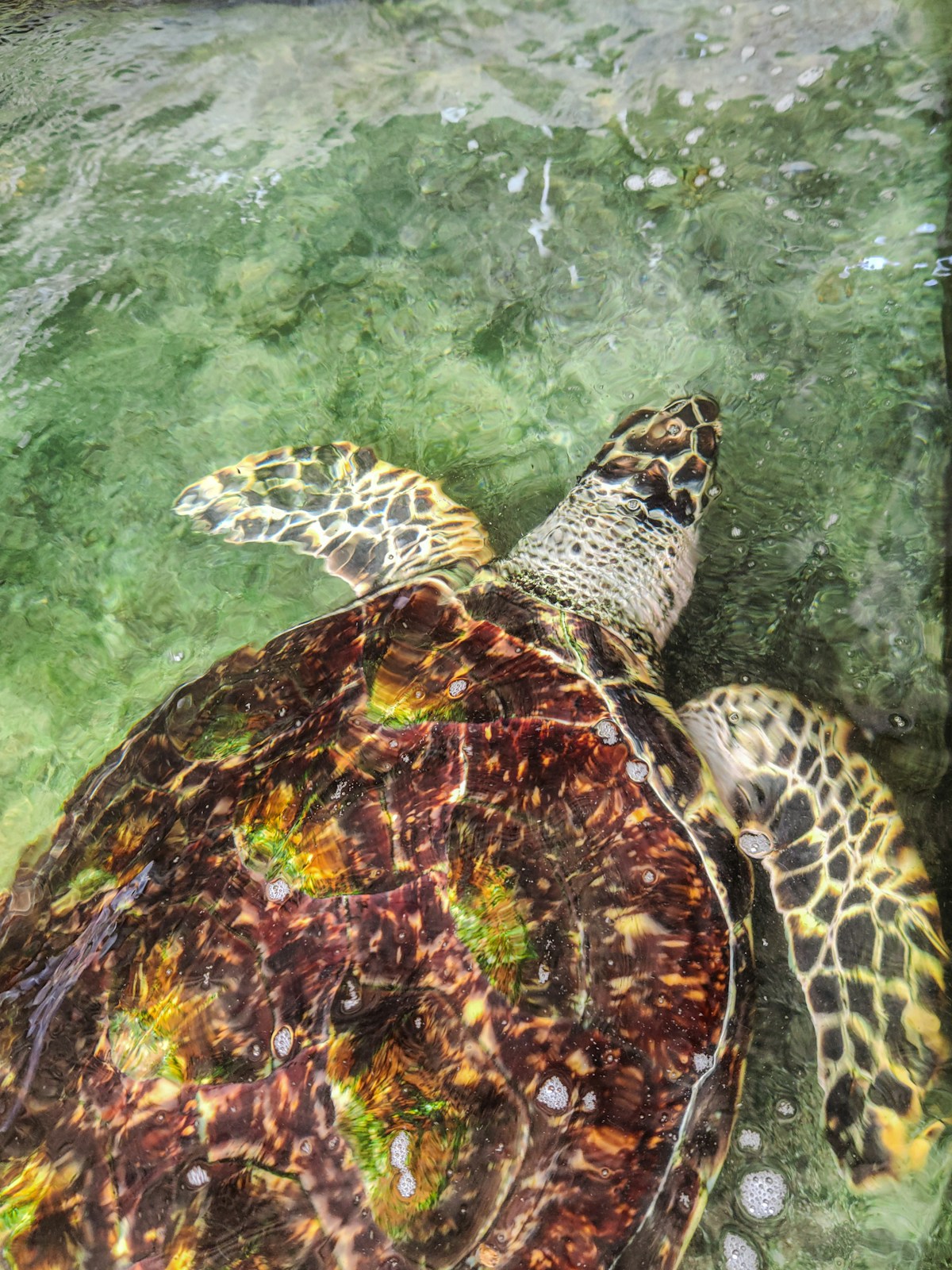
What you’ll see: Green and hawksbill turtles graze on the reef year-round and have become habituated to snorkellers. Parrot fish, trigger fish, angel fish, and occasional reef sharks (blacktip, harmless) are regularly visible. The density of marine life reflects decades of protection since the park’s establishment.
How to access: Swim or snorkel from the beach - no permit required for snorkelling. Equipment hire on the beach road is approximately LKR 300–500 for mask, snorkel, and fins as of 2026.
Glass-bottom boats: Several operators along the beach road offer 30–45 minute glass-bottom boat tours over the reef. Cost approximately LKR 1,500–2,000 per boat. Good option for non-swimmers. Negotiate directly with boat operators rather than through guesthouses to avoid markups.
Search hotels in Hikkaduwa on Booking.com
Best conditions: Morning, before afternoon wind disturbs visibility. January–April tends to have the clearest water.
Surfing
Hikkaduwa’s reef break is one of the more consistent on the south coast. The main wave breaks over the reef on the southern end of the beach (toward Narigama). It is primarily suited to intermediate–advanced surfers due to the shallow reef on the inside section.
Season: October–April is the peak surf season, with northeast swells and offshore morning winds. May–September sees the southwest monsoon - heavier rain but some surfable conditions still possible.
Equipment and instruction: Board rental approximately LKR 500–800 per hour. Surf lessons are available from several schools on the beach strip - a 2-hour lesson (covering basics and in-water instruction) costs approximately LKR 3,000–4,000 as of 2026. For intermediate surfers, Weligama (15km east) and Arugam Bay on the east coast offer better variety.
Sea Turtle Encounters
Hikkaduwa and the adjacent Peraliya–Narigama stretch are nesting grounds for hawksbill, olive ridley, and green turtles. Multiple small hatcheries operate here, collecting eggs from the beach, incubating them in protected pits, and releasing hatchlings into the sea.
Hatcheries: Signposted from the main A2 road. Entry approximately LKR 300–500 as of 2026. Tanks hold rehabilitating turtles at various sizes - some visitors also encounter turtles directly on the reef while snorkelling.
Ethics note: Hatcheries vary in quality. The better ones have educational signage and release hatchlings correctly (at the water line, not mid-beach). Ask to observe a hatchling release if you visit in the evening (usually after 5pm during the season).
Beach Life and the Town Strip
The main Hikkaduwa beach road runs from the town centre at the north end to Narigama at the south. The strip is dense with guesthouses, bars, restaurants, and dive shops - a classic Sri Lanka beach town atmosphere that has changed surprisingly little since the 1980s backpacker era.
The beach itself is good for walking the full north–south length (about 3km) and the widest and sandiest sections are in the middle, near the coral sanctuary. Shade is provided by casuarina trees along much of the shore.
Snorkelling and Diving Beyond the Reef
Several dive operators in Hikkaduwa run SCUBA trips to deeper sites near the reef and to wreck dives further offshore. The MV Conch wreck (a British cargo ship sunk by German bombing in 1942) lies in about 20m of water and is a popular dive site for those with PADI open water certification. Dive companies include Poseidon and Hikkaduwa Dive Centre - prices for a 2-tank boat dive start from approximately LKR 8,000–10,000 as of 2026.
See our where to stay in Hikkaduwa guide for accommodation along the beach road.
Planning Your Sri Lanka Trip?
- Book tours & activities in Hikkaduwa
- Find hotels in Hikkaduwa
- Travel insurance for Sri Lanka
- Get a Sri Lanka eSIM
- Find flights to Sri Lanka