Nuwara Eliya sits at 1,868 metres and the altitude has shaped everything about how and what people eat here. The British colonial administration built this hill station as a retreat from the coastal heat and left behind two dining rooms - the Hill Club and the Grand Hotel - that have been serving dinner in their original settings since the 1890s. These are not museums; they are working restaurants and among the most distinctive eating experiences in Sri Lanka.
The cooler climate also means the food is heartier than on the coast. Up-country curries are drier and more intensely spiced. Breakfasts are built around string hoppers and hot tea. And in season, the altitude produces the best strawberries grown in Sri Lanka. Understanding the two registers here - the colonial hotel formality and the local canteen practicality - gives you the full picture of eating in Nuwara Eliya.
What to Eat in Nuwara Eliya
Up-Country Rice and Curry
The hill country style differs from the coconut-heavy southern Sri Lankan version. Drier curries, more intense spicing, less coconut milk, more dried chilli. Jackfruit curry, potato curry, and dhal are the staples. A proper rice and curry lunch at local canteens runs approximately LKR 400–800 - one of the stronger arguments for leaving the hotel dining room at midday.
String Hoppers
The up-country breakfast standard. Steamed rice-noodle nests served with coconut milk curry, dhal, and a sambal. The combination works particularly well in Nuwara Eliya’s cool morning air. Available at local tea shops from around 7am at approximately LKR 150–250 per plate. The best spots sell out before 9am.
Strawberries (December–April)
Nuwara Eliya’s high altitude produces the best strawberries in Sri Lanka during the December to April window. They are sold at roadside stalls leading into town, in the market, and in cafés as fresh fruit, juice, cream-and-strawberry combinations, and dessert toppings. A punnet of fresh strawberries from a market stall costs approximately LKR 200–400 depending on the month. Outside this season, availability drops significantly and prices rise.
Nuwara Eliya Tea
The high-grown Nuwara Eliya single-estate teas are lighter and more floral than the Uva teas grown further east. Drink it properly - hot, brewed properly, with or without milk. Several estates near the town offer tastings alongside factory visits. The tea in local shops is the genuine article.
Colonial Dining
The Hill Club and the Grand Hotel represent a specific culinary register that does not exist elsewhere in Sri Lanka. Roast meats, proper soups, grilled mains in a colonial dining room setting. Not the best Sri Lankan food in the country, but the context - dining rooms that have barely changed in a century, overlooking a hill station that still looks Victorian - makes them worth the experience.
Chinese-Sri Lankan Dishes
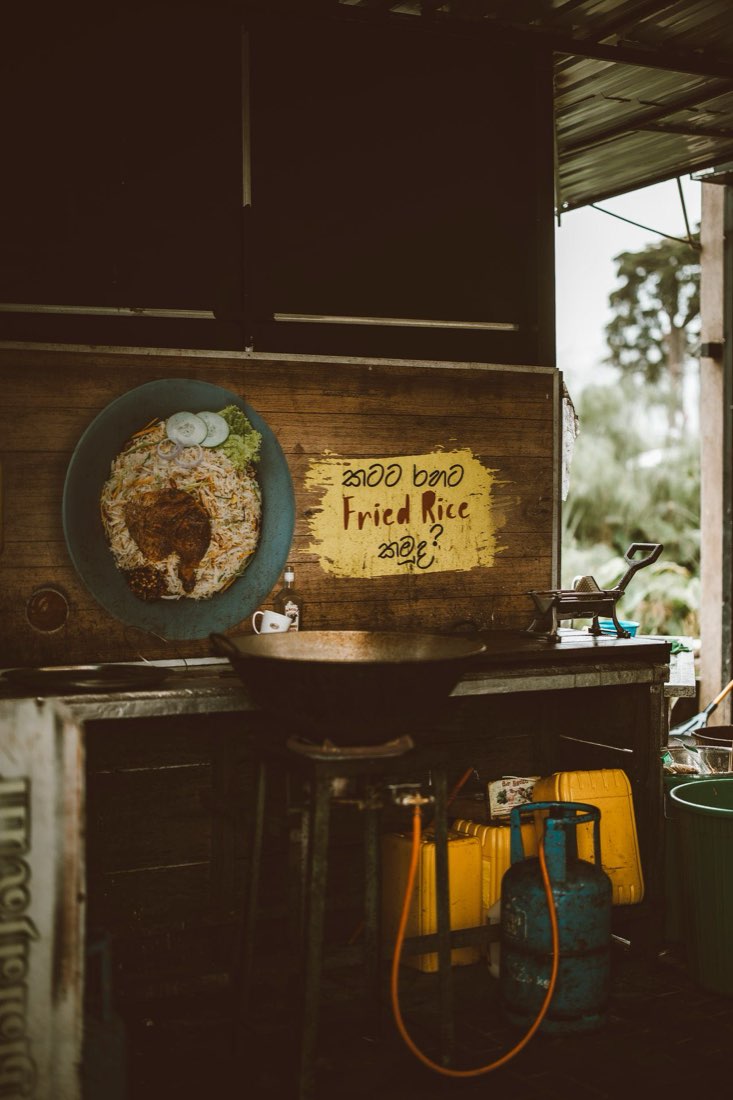
Nuwara Eliya has a small Chinese trading community, reflected in several Chinese-run restaurants in the town centre. These serve Sri Lankan-Chinese hybrid menus - fried rice, noodles, devilled chicken, prawn dishes - and are popular with local families on weekend outings. A practical midday option for something other than rice and curry.
Where to Eat in Nuwara Eliya
The Hill Club
The most formal and distinctive restaurant in Nuwara Eliya. Jacket and tie required for the dining room at dinner - the club loans jackets if you arrive without one. The menu covers roast meats, grilled mains, and puddings in a setting unchanged since the 1890s. A dinner runs approximately LKR 3,500–7,000 per person. The Rack Bar does not require formal dress and serves drinks and lighter food. Book ahead - especially on Friday and Saturday evenings.
The Grand Hotel Dining Room
Open to non-guests for breakfast, lunch, and dinner. The Sunday buffet lunch - a wide spread of Sri Lankan curries and international dishes - attracts tour groups and benefits from advance booking. The setting is colonial-era: large windows, white tablecloths, garden views. Less formal than the Hill Club but still notably different from a local canteen. Buffet lunch approximately LKR 1,800–2,500 per person.
Araliya Green Hills Hotel Restaurant
Perched above the town with views over the golf course. The most comfortable modern hotel restaurant in Nuwara Eliya, open to non-guests. Serves both Sri Lankan and international dishes. A three-course dinner runs approximately LKR 3,000–5,500. The Sunday lunch buffet is the most popular service - approximately LKR 2,800–3,500 - and benefits from terrace seating reserved in advance.
Milano Restaurant (New Bazaar Street Area)
A town-centre spot that locals and long-stay travellers rely on for a no-fuss sit-down meal. The menu covers rice and curry, kottu, fried rice, and short eats. A full meal costs approximately LKR 500–1,000. Unpretentious and reliable - the best midpoint between the colonial hotels and the market canteens for price and quality.
Local Market Tea Shops
The Nuwara Eliya market area has several small tea shops and canteens serving string hoppers, roti, and rice and curry at LKR 300–600. This is the most authentic and best-value eating in town. String hoppers sell out before 9am; rice and curry canteens close by mid-afternoon. The market is busiest in the mornings.
Chinese Restaurants (Town Centre)
The town centre has several Chinese-run restaurants near the market and along Park Road that serve fried rice, noodle dishes, devilled prawns, and Chinese-Sri Lankan curries at approximately LKR 500–1,200. Popular with local Sri Lankans and Tamil tea-estate workers on days off. A good midday option for variety.
Windsor Hotel Restaurant (Kandy Road)
A mid-range hotel restaurant open to non-guests. The menu covers Sri Lankan rice and curry, grilled meats, and simple Western dishes. The set lunch at approximately LKR 1,000–1,800 is the most practical option. Quieter than the market canteens and more affordable than the colonial hotels - a useful middle ground when formality feels like too much.
Neighbourhood Breakdown
Town centre and New Bazaar Street: the main eating zone for local and mid-range dining. Milano Restaurant, the Chinese restaurants, and the bakeries are all here. Busy at lunch; quieter at dinner.
Market area: the best morning eating in Nuwara Eliya. Tea shops with string hoppers, the fresh produce market, and the seasonal strawberry stalls. Active from 7am; most canteens close by mid-afternoon.
Golf course area (upper town): the Hill Club, Grand Hotel, and Araliya Green Hills are in the upper part of town, closer to the racecourse and golf course. These are the formal dining options.
Halal and Dietary Notes
Sri Lankan vegetarianism is naturally accommodated by the up-country rice and curry tradition - dhal, jackfruit, and vegetable curries are the bulk of what is served at local canteens, and asking for a “vegetarian plate” removes the protein option without changing anything fundamental. Nuwara Eliya’s Chinese restaurants also have strong vegetable dish options.
For halal eating, the town has several Muslim-owned restaurants and bakeries that are worth seeking out for biryani and kottu.
Budget Eating
- Market tea shops: LKR 150–300 for string hoppers and tea
- Seasonal strawberries: LKR 200–400 per punnet
- Market canteen rice and curry: LKR 300–600
- Milano Restaurant full meal: LKR 500–1,000
- Grand Hotel buffet lunch: LKR 1,800–2,500
The local market eating is as good as anywhere in the hill country and costs a tenth of the colonial hotels. Reserve the Hill Club for one formal dinner; spend the rest of the time eating where locals eat.
Best Markets
Nuwara Eliya town market: the main market is open daily and is the best place to buy fresh vegetables, strawberries (in season), and local produce. Arrive before 9am for the best selection of breakfast items.
Booking Ahead
The Hill Club is the only restaurant in Nuwara Eliya where advance booking is essential. Reserve at least one day ahead, two days for weekend dinners. Ask for the dining room specifically and confirm the dress code. The Grand Hotel benefits from advance booking for the Sunday buffet lunch. Araliya Green Hills takes reservations via hotel reception.
Guided Food and Tea Experiences in Nuwara Eliya
Nuwara Eliya’s food story is about altitude - the estates that produce Ceylon tea and the colonial-era dining rooms that define the upper-town eating. A guided tea and food experience from Nuwara Eliya typically combines a factory visit with a proper estate tasting, a market stop for strawberries in season, and lunch at a local canteen rather than a hotel dining room. This combination gives a real read on how the hill station food culture actually functions - from the plantation workers’ string-hopper breakfast to the colonial dining formality of the Hill Club.
Planning Your Sri Lanka Trip?
- Book tours & activities in Nuwara Eliya
- Find hotels in Nuwara Eliya
- Travel insurance for Sri Lanka
- Get a Sri Lanka eSIM
- Find flights to Sri Lanka