Search hotels in Sigiriya on Booking.com
Most people come to Sigiriya for the rock, and the rock justifies the trip on its own. But the surrounding area has enough to fill two or three days if you’re inclined to slow down - Pidurangala gives the best external view of Sigiriya, Minneriya is one of the best places in Asia to see large elephant gatherings, and the paddy field landscape is pleasant to cycle through.
Sigiriya Rock Fortress
The main event. A UNESCO World Heritage Site built by King Kasyapa I in the 5th century - a royal palace on top of a 180-metre granite monolith with water gardens at the base, ancient frescoes on the western face, and a mirror-polished plaster wall covered in visitor inscriptions from the 7th–14th centuries.
Entry: USD $35 for foreigners. Best climbed 7–9am. Allow 2.5–3 hours for a full visit. Guided tours of Sigiriya that include a local guide for the climb and context on the history are bookable in advance.
See our detailed Sigiriya climb guide for everything you need to know about the ascent, the frescoes, the summit ruins, and what to bring.
Pidurangala Rock
A granite outcrop 700 metres north of Sigiriya, reachable from Sigiriya village on foot or by tuk-tuk. The hike to the summit takes about 30 minutes. The route passes an active Buddhist cave monastery (Pidurangala Raja Maha Vihara) partway up - remove shoes before passing the reclining Buddha carved into the cave entrance.
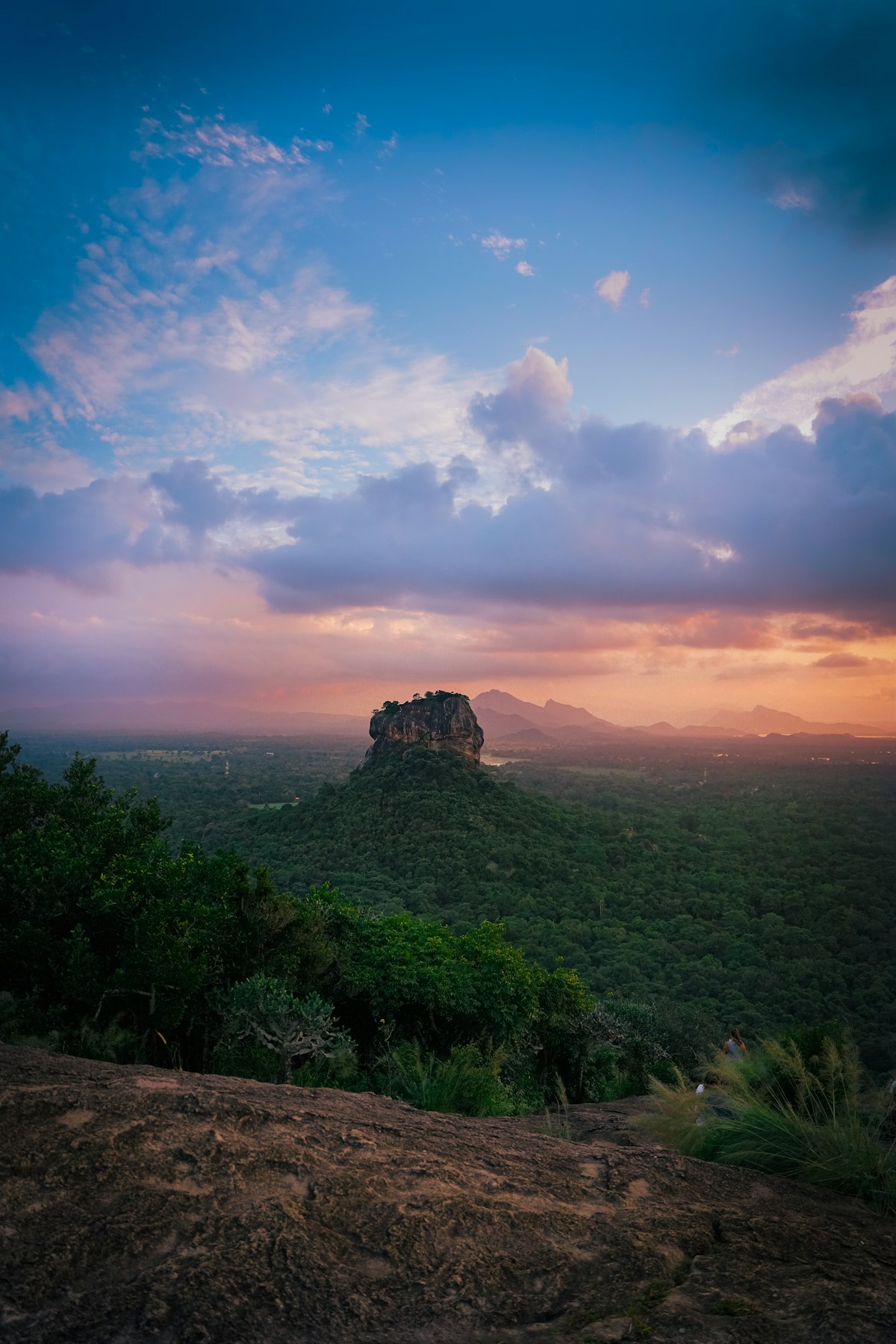
At the summit, there’s some mild scrambling over boulders to the highest point. The view from the top is the best external perspective on Sigiriya - the rock fortress visible in full against the jungle with the plains extending beyond. Many photographers prefer this view to anything from the top of Sigiriya itself.
Sunrise: The standard advice is to climb Pidurangala for sunrise, which lights up the Sigiriya rock from the east. Leave Sigiriya village by 5:30am (it’s dark at this time - bring a torch). The monastery gate typically opens early, or you can enter via the side path.
Cost: There’s no formal entry fee. A donation of around LKR 300 is customary at the monastery. Significantly cheaper than Sigiriya itself.
Sigiriya Museum
Located at the Sigiriya site entrance; entry is included in the rock ticket (USD $35). Two floors cover the history of Sigiriya: the hydraulic engineering of the water gardens, the fresco painting technique and conservation, the mirror wall inscriptions (with translations), and the archaeological excavation history from the 19th century onward.
Worth 45–60 minutes before or after the climb, particularly for visitors interested in the history rather than just the physical spectacle.
Minneriya National Park
Approximately 45 minutes east of Sigiriya (about 25km), Minneriya is a national park centred on an ancient reservoir (tank) built in the 3rd century CE by King Mahasena. The tank - one of the largest ancient reservoirs in Sri Lanka - is surrounded by scrub jungle and open grassland.
The Gathering: Between July and October, when the dry season causes water levels in the surrounding jungle to fall, elephants converge on the Minneriya tank to drink and graze the exposed grass on the receding shoreline. At peak times (August–September), gatherings of 200–400 elephants have been recorded - one of the largest concentrations of Asian elephants anywhere in the world.
Outside July–October, elephant sightings are still common (the park is resident to around 200 elephants) but the dramatic mass gatherings are seasonal.
Jeep safaris into the park take about 2–3 hours. Cost: around LKR 6,000–10,000 per jeep (carries 4–6 people), plus park entry fees (approximately USD $15 per person for foreigners). Book through your accommodation or a Sigiriya-based operator. Morning and late-afternoon safaris are standard.
Kaudulla National Park (also about 45 minutes from Sigiriya, to the north) is another option during The Gathering period - elephants move between the two parks, so if Minneriya is crowded, Kaudulla sometimes has better sightings.
Village Cycle Tours
Sigiriya village sits within a landscape of paddy fields, small tanks (reservoirs), and traditional homesteads that has changed remarkably little in layout from the ancient hydraulic civilisation that built it. Several local guides offer cycle tours through this landscape - typically 2–3 hours, covering paddy cultivation, a visit to a local family, a cinnamon and pepper garden, and the canal network between the tanks.
Cost: around $15–20 per person including bike hire and guide. Bicycles are also available to hire independently from guesthouses (LKR 500–800 per day) if you prefer to explore on your own.
Best done in the morning (before 10am) or late afternoon (after 4pm) to avoid peak heat.
Kayaking on Kandalama Lake
Kandalama Lake, about 7km south of Sigiriya, is a reservoir dammed in 1986 and now fringed with forest. The Heritance Kandalama hotel (designed by Geoffrey Bawa, built into the cliff above the lake) makes the surroundings more distinctive.
Kayaking on the lake can be arranged through some guesthouses and eco-lodges in the area. It’s a peaceful morning or late-afternoon activity - the lake is quiet, birdwatching from a kayak is productive (kingfishers, storks, eagles), and the forest surroundings are attractive.
Dambulla Cave Temple
Twenty kilometres south of Sigiriya (around 20–25 minutes), Dambulla is a half-day addition that makes sense if you’re staying at Sigiriya for multiple nights or combining it into a transit day.
The UNESCO-listed cave temples contain 150+ Buddha statues and approximately 2,100 square metres of painted ceilings. Entry: around LKR 1,500 for foreigners. Best visited 7–9am. See our Dambulla guide for full detail.
Ritigala Strict Nature Reserve
About 30km northeast of Sigiriya, Ritigala is one of Sri Lanka’s most unusual archaeological sites: an ancient monastery complex spread across a forested mountain, with stone platforms and pathways that were used by monks of the Pamsukulika order (forest-dwelling ascetics who rejected village monastery life).
The ruins are unrestored and partially reclaimed by the forest, which gives the site an atmosphere distinct from the well-excavated Cultural Triangle sites. Entry requires a Department of Wildlife Conservation permit, typically arranged through a tour operator or guide in Sigiriya. Allow a half-day.
Practical Tips
- The road from Sigiriya to Minneriya is straightforward and the jeeps for safari are based at the park entrance. Your accommodation can book the full package.
- Hire a bicycle for a day to cover Sigiriya village, Pidurangala (on foot once there), and a circuit of the surrounding paddy landscape.
- Dambulla is best combined on the day you travel to or from Sigiriya, not as a separate day trip unless you have time to fill.
- The Sigiriya area has limited ATMs. Stock up with cash in Dambulla or before leaving Kandy or Colombo.
Planning Your Sri Lanka Trip?
- Book tours & activities in Sigiriya
- Find hotels in Sigiriya
- Travel insurance for Sri Lanka
- Get a Sri Lanka eSIM
- Find flights to Sri Lanka