Trincomalee’s food scene reflects the city’s ethnic composition more directly than most Sri Lankan towns. The Tamil and Muslim communities have maintained distinct cooking traditions here - east coast Tamil fish preparations with their heavier dried spice base, and Muslim biryani and kottu that draw from a different tradition than the Sinhalese south. The result is a local food culture that is genuinely different from anywhere else in Sri Lanka, and largely invisible to visitors who stay on the Uppuveli or Nilaveli beach strips without venturing into town.
The natural harbour gives Trincomalee access to good fish year-round. The daily fish market near the harbour shows what is landed - tuna, grouper, barracuda, and crabs when the season is right - and that directly informs what the better local restaurants serve each day.
What to Eat in Trincomalee
East Coast Fish Curry
The Tamil fish curry preparation on the east coast uses more dried chilli, tamarind, and curry leaves than the coconut-heavy southern style. The result is drier, more intensely spiced, and more interesting if you have been eating south coast cooking for several days. Available at canteens around the bazaar and at local Tamil-owned restaurants throughout town.
Biryani
Trincomalee’s Muslim community produces some of the best biryani in Sri Lanka, and it is among the city’s most accessible local dishes for visitors willing to walk into town from the beach strips. Fish biryani and mutton biryani at the Muslim-owned restaurants near the mosque areas cost approximately LKR 400–800 for a full portion. Distinctly different from the tourist biryani served at resort restaurants.
Kottu Roti
The east coast Tamil kottu style tends toward drier, more spiced preparations than the southern version. Evening kottu stalls in Trincomalee town are the most reliable cheap dinner - a full egg and fish kottu costs approximately LKR 400–700 at the market-area stalls.
Crab (In Season)
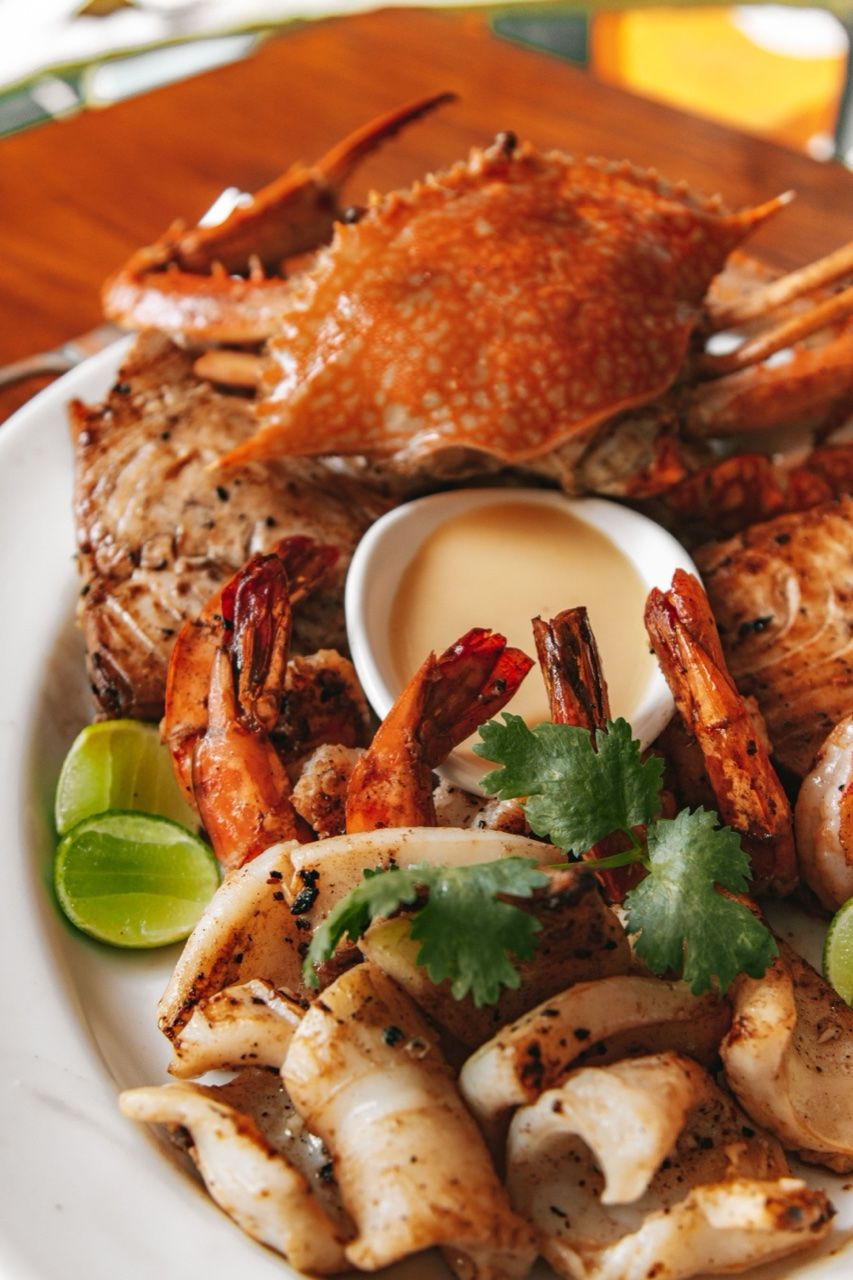
The crabs from Trincomalee harbour are locally regarded as among the best in Sri Lanka, particularly the blue swimmer crabs available during the right season. At the better seafood restaurants near Uppuveli, a crab preparation costs approximately LKR 1,500–3,000. Worth ordering if you see it offered as fresh rather than frozen.
Sri Lankan Breakfast
String hoppers, hoppers, and idli (steamed rice cakes - more common here given the Tamil influence) are the morning staples at local tea shops. A breakfast plate at a local tea shop costs approximately LKR 200–400. The idli here is worth trying if you have only had the southern Sri Lankan hopper version.
Vadé and Short Eats
The tea shops and street stalls around the bazaar sell fresh vadé (deep-fried lentil doughnuts), rolls, and cutlets throughout the day. LKR 80–200 per piece. This is the working-day snack food of the city and among the cheapest eating available.
Where to Eat in Trincomalee
Uppuveli Beach Restaurants
The beach strip at Uppuveli (8km north of Trincomalee town) has the best-value beach restaurant scene near the city. Several restaurants with direct sea views serve fresh seafood - the grilled fish and prawn curry are consistently reliable. Mains from approximately LKR 700–1,800. Less resort-inflated in price than Nilaveli further north.
Muslim Restaurants Near the Mosque Areas (Trincomalee Town)
The most important eating destination in Trincomalee for anyone wanting to understand the local food culture. The mosque-area restaurants around the bazaar serve biryani, kottu, and fish preparations in a halal context. No formal restaurant names to list here - the best are the ones that have been operating for decades and are full of local residents at lunch. A full biryani costs approximately LKR 400–800.
Local Tamil Canteens (Bazaar Area)
Around the main bazaar, several Tamil-owned canteens serve rice and curry with east coast preparations. Dhal, dried fish curry, jackfruit, and sambol - full plate from approximately LKR 300–600. The most representative eating of the Tamil majority food culture in this part of the city.
Harbour Fish Market Area
Not a restaurant district, but the fish market near the harbour tells you what is fresh. The better local restaurants buy directly from here each morning. Worth visiting early (before 8am) if you want to understand what to order at lunch.
Nilaveli Resort Restaurants
Nilaveli, 16km north of town, is the upscale beach strip with resort restaurants serving international and Sri Lankan menus. Better suited to a special-occasion meal than everyday eating - mains from approximately LKR 1,500–3,500. The cooking quality varies; the most established resort restaurants (Jungle Beach, Club Oceanic) are more consistent than newer spots.
Fort Frederick Area Cafés
A few small cafés near the Fort Frederick entrance serve tourists visiting the historic site and Koneswaram temple. Useful for a post-temple lunch but not the best eating in the city. Mains from approximately LKR 500–1,200.
Neighbourhood Breakdown
Trincomalee town (the bazaar area): the local food hub with canteens, Muslim biryani restaurants, tea shops, and short-eat stalls. The best eating in the city for value and authenticity.
Uppuveli beach (8km north): the best-value tourist-facing beach restaurant strip. Seafood is the main draw. Less crowded and cheaper than Nilaveli.
Nilaveli (16km north): resort-facing restaurants with higher prices and more varied quality. Worth considering for a special meal at the better-established resorts.
Budget Eating
Trincomalee town has some of the cheapest eating in Sri Lanka:
- Local canteens around the bazaar: LKR 300–600 for a full rice and curry plate
- Vadé and short eats at tea shops: LKR 80–200 per piece
- Muslim biryani restaurants: LKR 400–800 for a full biryani
- Kottu stalls in the evening: LKR 400–700 for a full kottu
The town eating beats the beach strips for value at every comparison point.
Dietary Notes
Halal-certified eating is widespread in Trincomalee given the Muslim community’s size - the mosque-area restaurants are halal by default. Tamil cooking at local canteens is naturally seafood-forward with good vegetarian options (jackfruit curry, drumstick, bitter gourd). The Buddhist and Hindu communities mean pork is rarely seen in local canteens.
Guided Food Experiences
The local biryani tradition and the fish market culture are the parts of Trincomalee’s food scene most worth understanding beyond the beach strip. Guided food tours in Trincomalee that include the bazaar, the fish market, and the Muslim restaurant area give the most complete view of east coast food culture.
Planning Your Sri Lanka Trip?
- Book tours & activities in Trincomalee
- Find hotels in Trincomalee
- Travel insurance for Sri Lanka
- Get a Sri Lanka eSIM
- Find flights to Sri Lanka