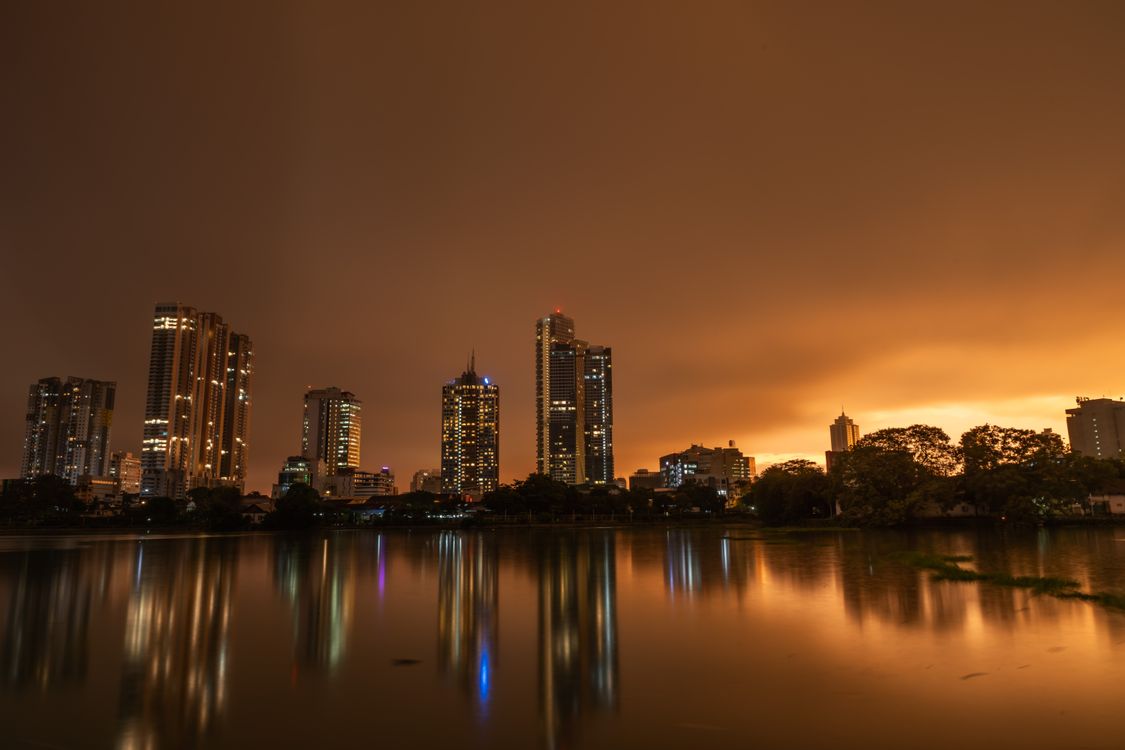
Colombo is not where most people imagine spending their Sri Lanka time — the beach towns and hill country scenate pull harder — but it is where most serious nomads eventually base when they need sustained, reliable connectivity and the logistical infrastructure to actually run their business. The city has changed significantly since the 2022 economic crisis: the fibre rollout has expanded, a small but functional coworking ecosystem has developed, and a critical mass of nomads and expats has established the long-stay apartment market that makes monthly living practical.
It is not the most exciting nomad destination on paper. The compensation is that it works.
Why Colombo for Remote Work
The honest assessment: Colombo is a tier-1 remote-work base within the Sri Lankan context and a tier-2 option in the broader Southeast Asia nomad circuit.
Connectivity: SLT fibre and Dialog Axiata fibre have penetrated Colombo’s office and coworking markets. The best coworking spaces hit 50–200 Mbps symmetrical. Good residential areas in Colombo 3, 5, and 7 have building-level fibre available. Power outages have reduced dramatically since 2023 — brief cuts still happen, but the sustained load shedding of the crisis period is over.
Infrastructure: Colombo has what small towns don’t: multiple hospitals (Asiri, Lanka, National Hospital), international pharmacies, large supermarkets (Keells, Cargills), reliable banking and ATMs, Uber and Pickme coverage, and immigration services (the extension process at Battaramulla is a 30-minute drive from most nomad areas).
Cost relative to the region: Monthly living costs of $1,000–1,600 for comfortable accommodation in a good area with coworking access puts Colombo below Bangkok, Kuala Lumpur, and Bali for equivalent comfort and connectivity. It is higher than Ella or Weligama, but the internet and services justify the premium for work-intensive weeks.
The Best Areas to Stay
Colombo 3 (Colpetty / Kollupitiya)
The first choice for most nomads. Galle Road is the main artery — lined with cafes, restaurants, pharmacies, and supermarkets. The Dutch Hospital Precinct (a premium dining and bar area) is walkable. Transport links to other parts of the city are straightforward. The highest density of nomad-suitable cafes is here.
Rent: Furnished studios from approximately LKR 80,000–150,000/month ($270–500); one-bedrooms LKR 150,000–280,000 ($500–940).
Colombo 5 (Havelock Town)
Slightly more residential and slightly cheaper. Good cafes and restaurants on Havelock Road and side streets. Preferred by nomads who want a quieter base with easier access to parks and gyms. Roughly equidistant from Colombo 3 (10 minutes by tuk-tuk) and Colombo 7.
Rent: Furnished studios from approximately LKR 70,000–130,000/month ($235–435).
Colombo 7 (Cinnamon Gardens)
The premium residential district. Wide streets, large colonial-era houses, embassies, and Viharamahadevi Park. Significantly quieter than Colombo 3. The nomad cafe density is lower but a handful of quality spots exist. Best suited to nomads prioritising calm and space over convenience.
Rent: One-bedrooms from approximately LKR 200,000–400,000/month ($670–1,340) — the premium end of the Colombo market.
Rajagiriya (near Battaramulla)
A practical choice for nomads spending significant time dealing with immigration formalities. Located east of central Colombo, near the JUNO coworking space and close to the Immigration Department. Less atmospheric than the city centre but functional and cheaper.
Rent: Studios from approximately LKR 60,000–100,000/month ($200–335).
Coworking Spaces in Colombo
Colombo Cowork (Col 3, Colpetty): The most established nomad-focused space. Hot-desk day pass approximately LKR 2,500 ($8); monthly hot-desk from LKR 18,000 ($60). Fibre at 100 Mbps+, standing desks available, meeting rooms, good espresso.
Hatch (Trace Expert City, Col 10): Sri Lanka’s most prominent startup hub and coworking environment. Monthly dedicated desks from approximately LKR 25,000–35,000 ($85–115). More corporate-startup atmosphere than pure nomad. Strong community programming for those interested in the Sri Lankan tech ecosystem.
JUNO (Rajagiriya): Newer, well-equipped, slightly outside central Colombo. Day passes from LKR 2,000 ($7). Popular with professionals who work near the Battaramulla government corridor. Good if immigration visits are part of your schedule.
Work & Co (Col 7): Boutique coworking in a refurbished villa. Limited desks, quieter atmosphere. Day pass approximately LKR 3,000–3,500 ($10–12). Well-suited to focused individual work rather than community interaction.
Cloud Desk (Col 3): Budget-friendly option. Day pass from LKR 1,800 ($6). Adequate connectivity for most tasks; less polished than the above options.
Most coworking spaces in Colombo offer trial day passes — use these before committing to a monthly membership.
Best Cafes for Working
When you want a change from the coworking space but need reliable Wi-Fi:
Café Kumbuk (Col 5 and Col 3 locations): Strong coffee, reliable Wi-Fi, popular with the local creative and tech community. Gets busy by 11am; arrive early for the best table.
The Ministry of Crab neighbourhood cafes: The area around Col 3’s Galle Road has several independent cafes with adequate working Wi-Fi (20–50 Mbps). Speeds vary; test before committing to a long session.
Barista and Java Lounge chains: Consistent Wi-Fi, air conditioning, and familiar cafe logistics. Not the most interesting environment but reliable for work sessions where you need predictability.
Avoid peak lunch hours (12–2pm) at popular cafes — both Wi-Fi speeds and available seating drop.
SIM Card and Connectivity
Buy a Dialog tourist SIM at Bandaranaike Airport. In Colombo, Dialog 4G covers the entire city at 20–50 Mbps. As a backup to coworking or cafe Wi-Fi, it is more than adequate for video calls and cloud work.
For arrival connectivity before picking up a local SIM, or as a travel-ready eSIM option, see our Sri Lanka eSIM guide.
SLT (Sri Lanka Telecom) is the dominant fibre provider in residential areas. If you are renting an apartment for a month or more and the building has SLT fibre available, it is worth asking the landlord to include fibre in the rental arrangement.
Monthly Living Costs in Colombo
| Category | Monthly Cost (LKR) | Monthly Cost (USD approx.) |
|---|---|---|
| Furnished apartment (Col 3/5, studio) | 90,000–150,000 | $300–500 |
| Coworking membership (hot-desk) | 18,000–30,000 | $60–100 |
| Food (mix local + restaurants) | 80,000–130,000 | $265–435 |
| Transport (Pickme/Uber + tuk-tuk) | 15,000–25,000 | $50–85 |
| SIM data (30-day package) | 1,500–2,500 | $5–8 |
| Gym membership | 5,000–12,000 | $17–40 |
| Misc | 10,000–20,000 | $33–65 |
| Total | ~220,000–370,000 | $730–1,230 |
For the upper end of this range you have a good apartment in Colombo 3 or 7, daily coworking access, regular restaurant meals, and a gym. At the lower end you are in a basic studio in Colombo 5, eating mainly local food, and using a shared coworking day pass a few days per week.
Travel Insurance for Long Stays
If you are extending your visa — which requires a trip to the Immigration Department in Battaramulla — travel insurance documentation is a required part of the application. See EKTA travel insurance for Sri Lanka for policies covering nomad-length stays with the medical and repatriation coverage immigration officers require.
Visa Extensions from Colombo
Colombo’s advantage for visa logistics: the Department of Immigration and Emigration is in Battaramulla, a 25–35 minute drive from Colombo 3. For nomads based on the south coast, this trip consumes an entire day. From Colombo, it is a morning appointment. See our full Sri Lanka digital nomad visa guide for the complete extension process, required documents, and cost breakdown.
Getting to Colombo
From Bandaranaike Airport (BIA): The airport is in Katunayake, 35 km north of the city. Taxi/Pickme approximately LKR 2,500–3,500 ($8–12). Airport Express bus: LKR 150–200 but no fixed baggage storage — manageable with a carry-on, less so with larger bags.
From Weligama/Galle: Coast train to Colombo Fort Station (2.5–3 hours, LKR 250–800 depending on class). Private taxi approximately LKR 5,000–8,000.
From Kandy: Train 2.5 hours (LKR 200–450) or bus 3 hours (LKR 180). One of the most scenic train journeys in Sri Lanka — book a seat in advance for the express.
Day Trips and Getting Out of Colombo
Colombo works best when you treat it as a base with weekend escapes rather than your sole Sri Lanka experience.
- Negombo (35 km north): Beach town with good seafood, 30 minutes from the airport. Easy day trip or weekend escape.
- Kandy (115 km east): Hill country temple town, 2.5 hours by train.
- Galle Fort (130 km south): UNESCO colonial fort town, 2.5 hours by coast train — do it on a Friday evening, stay the weekend, return Monday.
The train to Galle leaves from Fort Station in central Colombo — a Pickme from Colombo 3 costs around LKR 400–600. Book weekend seats in advance.