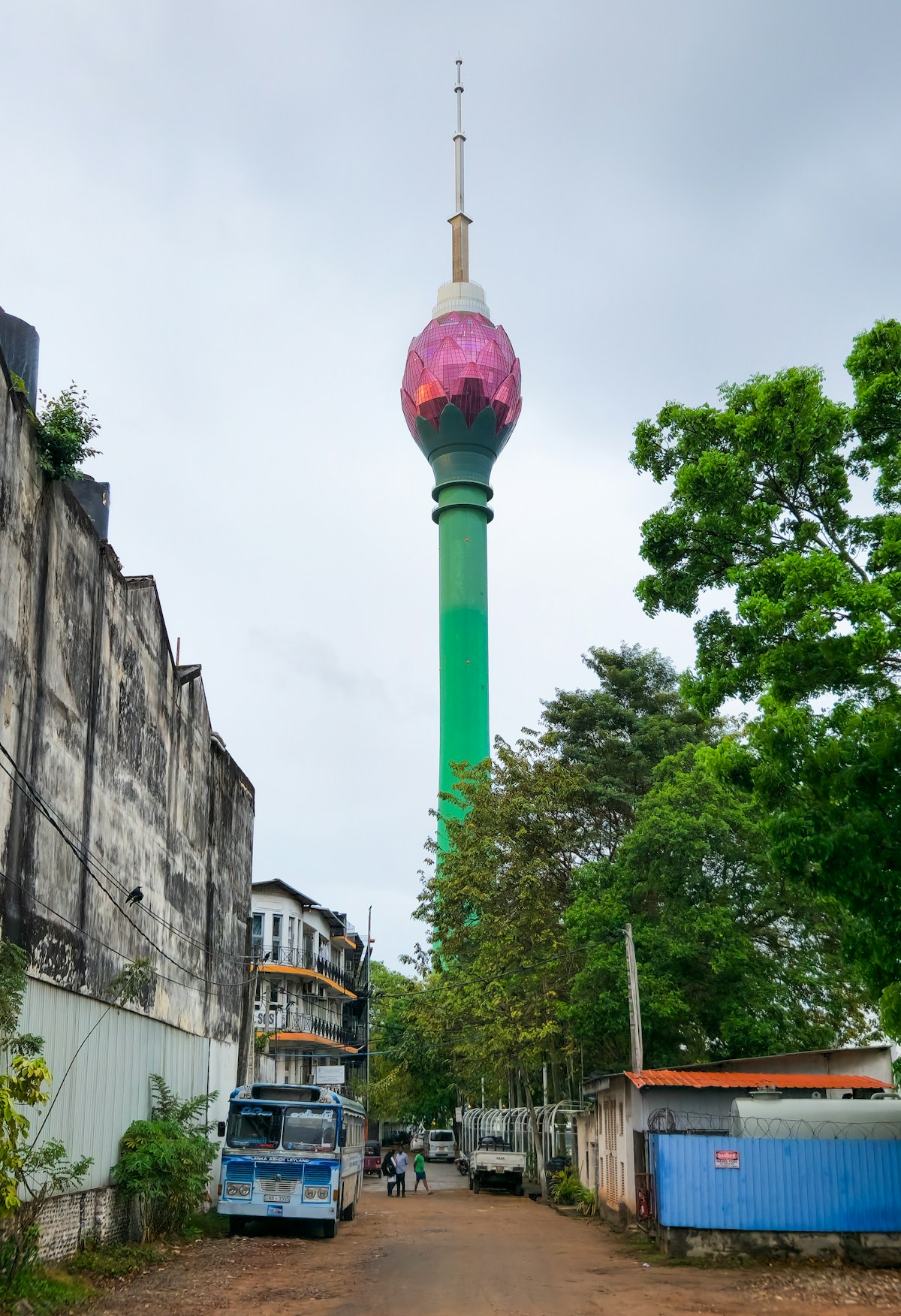
Sri Lanka is an underrated digital nomad destination. The combination of low costs, fast-improving connectivity, a compact geography that lets you move between landscapes quickly, and a practical 90-day tourist visa makes it a credible base for remote workers. The trade-offs are real - the visa eventually hits a wall, internet outside Colombo requires workarounds, and the 2022 economic crisis left some infrastructure gaps - but the fundamentals are there.
Visa Options for Remote Workers
Sri Lanka does not have a dedicated digital nomad visa as of mid-2026.
Standard tourist ETA: The electronic travel authorisation (applied for at eta.gov.lk) grants 30 days on arrival. As of May 2026, the ETA is free for approximately 40 nationalities (including the US, UK, EU members, Australia, Canada, and New Zealand). For other nationalities, the standard fee is USD 20 (single entry) or USD 35 (double entry). This is extendable:
- First extension: to 3 months total from first entry
- Second extension: to 6 months from first entry (maximum)
Extensions are handled in person at the Department of Immigration and Emigration in Battaramulla (a suburb of Colombo). The process takes a full day. Documents typically required: passport, photographs, proof of accommodation, onward travel evidence, and funds proof.
Beyond 6 months: Most nomads exit and re-enter. Common options are a quick flight to Colombo from Chennai, Kuala Lumpur, Bangkok, or Malé (all under 3 hours and inexpensive). Re-entry is generally granted but not guaranteed if you have accumulated a pattern of long stays.
Business visa: Available through a Sri Lankan company or business contact. Allows longer stays and is appropriate for those with local business relationships.
The practical upshot: Sri Lanka works well as a 1–4 month base. Plan around the visa limit rather than fighting it.
Monthly Cost Breakdown
These figures are realistic estimates for comfortable nomad living in 2026:
| City | Monthly Budget (Comfortable) |
|---|---|
| Colombo | $1,200–1,800 |
| Galle Fort | $1,000–1,500 |
| Kandy | $700–1,200 |
| Ella | $600–900 |
| Arugam Bay (in season) | $700–1,100 |
Accommodation: A private room with AC and bathroom in a guesthouse: approximately $25–60/night. Monthly apartment rentals in Colombo 3 or 5: approximately $400–700 for a studio; Colombo 7: $600–1,000. Galle Fort monthly rentals start from $600–900. In Ella, monthly room rentals in guesthouses run approximately LKR 30,000–60,000 ($100–200/month) as of 2026.
Food: Local rice-and-curry lunch: approximately LKR 350–600 ($1–2). Eating at mid-range restaurants daily: approximately $5–15 per meal. Budget for food: $200–400/month depending on how often you eat locally versus at tourist-facing restaurants.
Transport: PickMe (Sri Lanka’s main ride-hailing app) in Colombo: approximately $50–100/month for daily use. Outside Colombo, tuk-tuk day hire runs approximately LKR 3,000–5,000 ($10–17).
SIM and data: Dialog 30-day data package: approximately LKR 1,500–3,000 ($5–10). eSIM options from approximately $8–15 USD for 30 days - pick up an eSIM for Sri Lanka before you board if you want connectivity the moment you land.
Coworking: Hot desks in Colombo: approximately LKR 2,500–5,000/day ($8–17), monthly memberships LKR 15,000–35,000 ($50–115) as of 2026.
Internet Quality by Location
This matters more in Sri Lanka than in most nomad destinations.
Colombo: Fibre broadband is available in apartments and coworking spaces. Speeds of 50–100 Mbps are achievable; some coworking spaces reach higher. Reliability has improved substantially since 2023. For sustained video calls and cloud work, Colombo is genuinely productive.
Galle: More variable. Good guesthouses in the Fort have fibre; others are on ADSL. Several cafes in and near the Fort have reliable connections. The practical approach is to ask specifically about internet speed before booking accommodation.
Kandy: Acceptable in the city centre. Several cafes near the lake have adequate Wi-Fi for standard remote work. Not as consistent as Colombo.
Ella: Patchy. Dialog 4G is the most reliable option, but speeds drop in valleys and at elevation. The town centre has a few cafes with reasonable connections (Cafe Chill, The Hangover). Treat Ella as a lifestyle base for slower work periods rather than a place for video-call-heavy days.
Arugam Bay: Improving but still basic. Adequate for emails and asynchronous work; video calls are possible but not guaranteed. Best treated as a seasonal surf-and-work destination for light schedules.
Practical rule: Always carry a Dialog SIM with an active data package and use it as a mobile hotspot when guesthouse Wi-Fi fails. This is not optional - it is the infrastructure baseline outside Colombo.
Coworking Spaces
Colombo
Colombo has the most developed coworking scene in Sri Lanka, with options across Colombo 3, 5, and 7. The main spaces are CO-LAB Colombo (Colombo 5, hot desks from approximately LKR 2,500/day), Impact Hub Colombo (Colombo 3, community-focused with day passes and monthly memberships), TRACE Expert City (Maradana, government-backed tech park with day passes), and Regus/WeWork for corporate requirements.
Several cafes in Colombo 3 and 7 work for laptop sessions - Barefoot Café, Café Kumbuk, and Commons Coffee House being the most consistent. For the full neighbourhood-by-neighbourhood breakdown and cafe guide, see the Digital Nomad Guide to Colombo.
Galle
Cobalt Cowork operates near Galle Fort and is the main dedicated option. Several cafes inside the Fort have adequate Wi-Fi for light work. For intensive work days, staying in a Fort guesthouse with documented fibre connectivity is often the most practical approach.
Ella and Hill Country
No dedicated coworking spaces. Nomads work from guesthouses and cafes. The most reliable options are in the town centre rather than the hillside viewpoint guesthouses, which often have weaker signal.
Best Cities for Different Needs
Best for productivity: Colombo - best infrastructure, fastest internet, most coworking options, widest food choice. Less scenic, higher cost, but the most reliable base for output-heavy work.
Best for lifestyle balance: Galle - beautiful colonial fort setting, reasonable internet, good cafes and restaurants, beach access nearby. The most popular choice with long-stay nomads for well-documented reasons.
Best for budget: Ella - cheapest monthly costs, good hiking and scenery, cafe culture. Suited for slow-travel work periods rather than intensive schedules.
Best for city infrastructure at lower cost: Kandy - cooler than the coast, more affordable than Colombo, good transport links.
Best for surf season: Arugam Bay (May–October) or Weligama (November–April) - for nomads who want surf integrated into the work week.
Healthcare
Private hospitals in Colombo - Lanka Hospital (Narahenpita), Apollo Hospital (Colombo 5), and Nawaloka (Slave Island) - are internationally standard and significantly cheaper than comparable care in Europe or North America. A GP consultation: approximately LKR 3,000–6,000 ($10–20). A minor emergency room visit: approximately $50–150.
Travel insurance with medical evacuation coverage is still essential - extended hospitalisations and repatriation costs add up quickly. Travel insurance for Sri Lanka through a specialist provider is typically cheaper than a single GP visit at a private hospital.
Regional hospitals in Kandy and Galle are adequate for routine issues. Outside major towns, facilities are basic.
Community
Colombo has a small but active expat and nomad community. Events are posted through local Facebook groups and on Meetup. The startup and NGO scene that clusters around Impact Hub and TRACE Expert City is a useful entry point for meeting people with work-compatible schedules.
Galle has a tightly-knit creative and nomad scene - the fort functions almost as a village, and people tend to know each other quickly. The informal community is one of the main draws of Galle for longer-stay nomads.
Practical Notes
- Power: Brief outages still occur as of 2026. Keep your laptop charged; choose coworking spaces with backup power for critical work
- Currency: LKR is the local currency. Use Wise or Revolut at ATMs for the best exchange rates; avoid exchanging at airport bureaux de change. USD is widely accepted in tourist areas but at unfavourable rates
- Transport: PickMe (ride-hailing) is more reliable and cheaper than metered taxis for daily Colombo transport. Sri Lanka drives on the left; traffic in Colombo is heavy - factor commute time when choosing accommodation relative to your coworking space
- Poya days: Sri Lanka’s public holidays follow the Buddhist lunar calendar. Banks, government offices, and some restaurants are closed on full moon poya days (approximately monthly). Alcohol cannot be sold legally on poya days
- Monsoon timing: The southwest monsoon (May–September) affects the west and south coasts; the northeast monsoon (October–January) affects the north and east. The hill country can be wet at almost any time. Plan your base around the season
For city-specific guides, see Digital Nomad Guide to Colombo and Digital Nomad Guide to Ella.
Search hotels in Sri Lanka on Booking.com - compare all options and filter by area, rating, and price.
Plan Your Trip
Related guides: Digital Nomad Weligama.