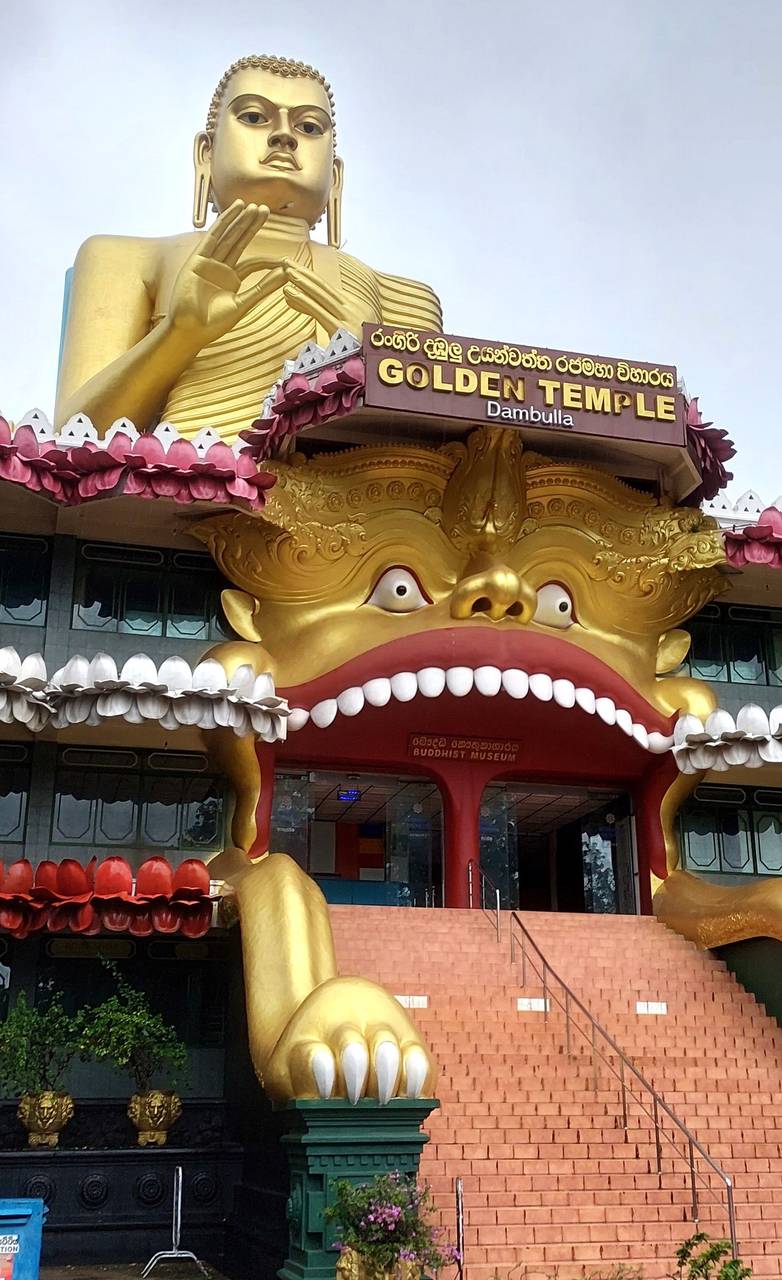
Dambulla sits at the intersection of the A9 highway and the Cultural Triangle, which means almost every visitor to Sigiriya, Polonnaruwa, and Anuradhapura passes through. The food scene has developed accordingly: practical, good value, and efficient - built around travellers who need a proper meal and want to keep moving. But Dambulla is not just a transit stop. The town itself has a strong local food culture, a wholesale produce market that supplies much of Sri Lanka, and guesthouses with kitchens that cook properly on request.
Understanding the rhythm of eating here matters. Rice-and-curry restaurants serve from the morning; most kitchens are finished by early afternoon. The canteens near the cave temple are excellent for lunch between 11:30am and 1pm. For breakfast, the best eating is in the town centre tea shops, not at tourist-facing spots. For dinner, guesthouses are often the most reliable option - and frequently the best.
Sri Lankan Breakfast in Dambulla
Dambulla’s local tea shops open from around 7am and serve one of the more reliable Sri Lankan breakfasts in the Cultural Triangle. The standard spread is hoppers (crisp bowl-shaped rice pancakes, plain or with an egg cracked in the centre), string hoppers (steamed rice noodle nests), coconut sambol, and dhal. A full breakfast runs LKR 200–400 at local tea shops.
Tea shops along the main road (Kandy–Dambulla Highway): several small shops between the town junction and the cave temple access road serve hoppers and string hoppers from around 7am. Look for places with locals queuing - the most reliable quality indicator available. A hopper with egg and coconut sambol costs LKR 80–120.
Pittu: another breakfast option found in local tea shops. Cylindrical steamed rice cakes, denser than string hoppers, typically eaten with coconut milk and dhal. Less common than hoppers but available at many local spots.
Short eats: the bakeries along the main road sell rolls (minced meat or vegetable), cutlets, and seeni buns throughout the morning. At LKR 40–80 each, these are the quickest and cheapest breakfast option if you are in a hurry.
Temple-Area Rice and Curry
The rock cave temple complex draws visitors from mid-morning onwards, and a cluster of canteens and restaurants on the access road serves them at lunch. The food is straightforward - rice and curry with rotating curries, fried rice, fried noodles, and short eats - but it is freshly cooked and reasonably priced for what it is.
Canteens on the temple access road: approximately 4–6 small restaurants operate on the road below the cave temple. A rice and curry lunch with fish or chicken costs LKR 350–650. Arrive before 1pm for the best curry selection. All the main canteens are broadly similar in quality and price; the variation is in the daily curries rather than in any single standout option.
Mango Mango Restaurant (Kandy–Dambulla Road): a sit-down restaurant on the main road between the town junction and the cave temple, with air-conditioning and a menu covering Sri Lankan rice and curry, Chinese-Sri Lankan fried rice, noodles, and some Western dishes. Popular with both tourists and locals. The devilled chicken is a reliable order. LKR 500–1,200 per person; accepts cards.
Benthota Restaurant (near Dambulla junction): a local favourite for rice and curry lunches, slightly cheaper than the temple-area canteens. The jackfruit curry and dhal here are consistently good. LKR 300–550 per person. Busy between 12pm and 1pm with market workers from the produce centre.
Town Centre Food
Dambulla’s town centre - a few kilometres from the cave temple - has canteens and small restaurants that are cheaper, less tourist-facing, and often better in quality than the temple-area options. These spots serve local workers and market traders, which usually means the food is fresher and the prices are more honest.
Town centre canteens (near the Dambulla bus stand): several local rice-and-curry counters around the bus stand area serve from mid-morning. Rice and curry from LKR 250–450. The fresh produce quality is high because of proximity to the wholesale market - vegetable curries in particular tend to be better here than at highway-facing spots.
Kottu after dark: a few roadside stalls in the town centre set up from early evening selling kottu - chopped roti stir-fried with vegetables, egg, and a choice of meat. The rhythmic metal-on-metal sound of the kottu blades is unmissable. A full kottu runs LKR 350–600. This is the standard evening street food option in Dambulla.
Upscale Dining: Heritance Kandalama
The dining outlier in the area is Heritance Kandalama, approximately 10km from the town centre on the Kandalama reservoir road. This is Geoffrey Bawa’s final major building - a hotel designed to integrate with the surrounding forest and rock face, with the dining room and terrace positioned to overlook the reservoir.
The restaurant is open to non-guests for lunch and dinner; book ahead by phone. Expect Sri Lankan and international dishes, a wine list, and prices well above local canteens - approximately LKR 3,500–7,000 per person for a full meal. A tuk-tuk from Dambulla town costs LKR 600–900 each way. For those who want a full architectural experience with a proper meal, this is worth doing once. Heritance Kandalama also takes overnight guests - check availability and rates.
The Dambulla Fruit Market
One of the most overlooked food experiences in the Cultural Triangle is the Dedicated Economic Centre - the wholesale fruit and vegetable market on the edge of Dambulla town, one of the largest in Sri Lanka. Much of the island’s produce passes through here.
The roadside stalls near the town sell fresh fruit at very low prices: mangoes, pineapple, papaya, watermelon, and seasonal produce. Prices are LKR 50–200 for large portions, substantially cheaper than anywhere in Colombo or the south coast. This is the practical stop for stocking up on fruit before a long drive north or before a day of walking ruins.
Guesthouse Dinners
If you are staying overnight in Dambulla, the most reliable dinner option is often the guesthouse kitchen. Most family-run guesthouses in the area will cook a full Sri Lankan dinner on request - typically rice and curry, dhal, a vegetable dish, sambol, and papadum - at prices around LKR 500–900 per person. Arrange it in the morning so the kitchen can shop.
This is not the same as restaurant cooking - it is home cooking, and it is frequently better than any restaurant option in the town after dark. Ask when you check in whether the kitchen cooks dinner. Most guesthouses around the cultural sites are set up for this. Browse guesthouses and hotels in Dambulla.
Guided Food and Cultural Tours
Dambulla sits at the centre of Cultural Triangle touring, and several operators combine cave temple visits with local eating experiences - including guesthouse cooking sessions, market walks in the town centre, and the Dedicated Economic Centre produce market. GetYourGuide lists Dambulla area tours covering everything from cave temple half-days to full Cultural Triangle circuits with meals included.
Practical Notes
- Cards are accepted at Heritance Kandalama and Mango Mango. All other spots are cash only.
- The best rice and curry window is 11:30am–1pm. Don’t arrive at 2pm expecting a full spread.
- The wholesale market area stalls close by early evening.
- For a full Dambulla restaurant list with more options, see our Dambulla restaurants page.
Dambulla functions better as a food stop than most Cultural Triangle visitors expect. The key is timing: breakfast in the tea shops, lunch at the temple canteens or town centre, fruit from the market stalls in the afternoon. It is not a food destination in the way that Jaffna or even Kandy is, but for a transit town it eats well.