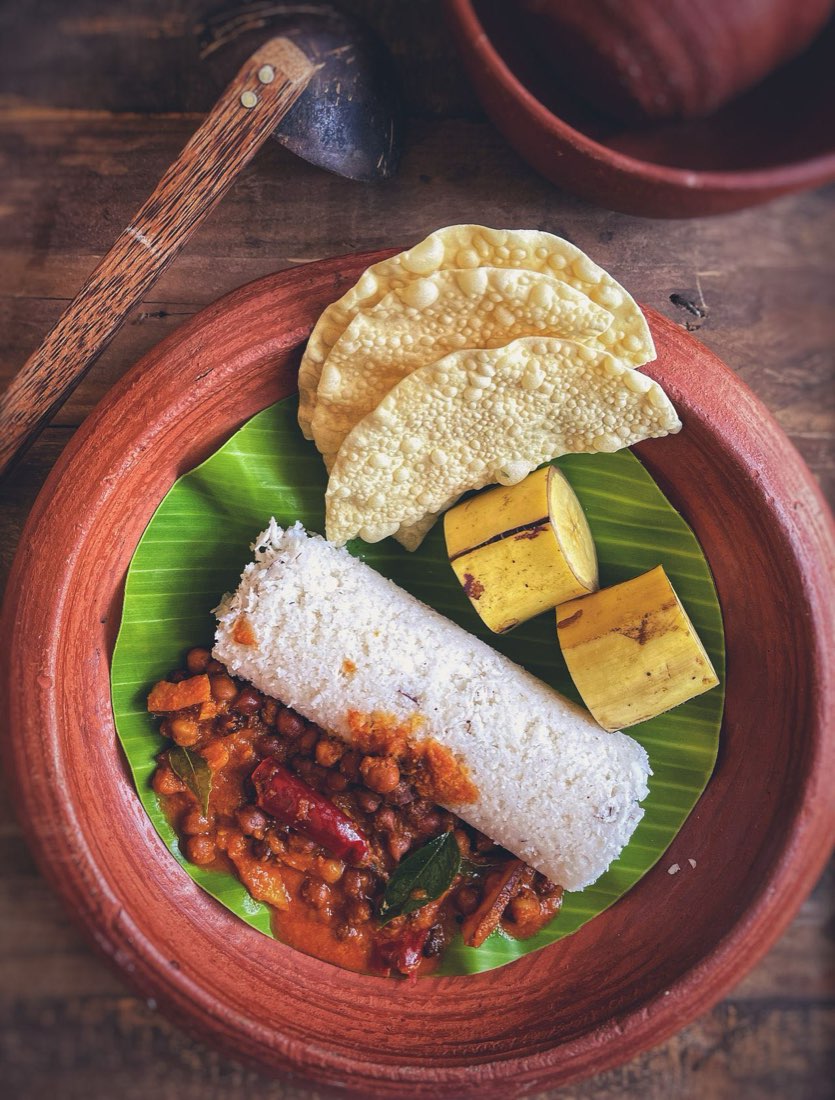
Jaffna’s food is unlike anything in the south of Sri Lanka. Separated from the Sinhalese culinary tradition by culture, geography, and decades of difficult history, northern Tamil cooking developed its own logic: more tamarind, more dried chilli, more palm-based ingredients, less coconut-forward sweetness. The results are deeply flavoured, acidic, and sometimes searingly spiced. For food-focused travellers, the north is a genuinely different culinary world within the same island.
The city itself operates around a set of eating rhythms that visitors need to understand before arriving. Small restaurants - called “hotels” locally, as everywhere in Sri Lanka - serve rice and curry from morning, and they are done when the pots are empty. Breakfast spots close by mid-afternoon. Crab curry restaurants often sell out of crab entirely by early evening. Eating early in Jaffna is not just practical; it is often the only option.
The Key Dishes
Understanding what to order is the entry point. Jaffna has a specific set of signature dishes that are either unavailable elsewhere in Sri Lanka or made entirely differently here.
Jaffna Crab Curry
The north’s most celebrated dish and the reason serious food travellers make the journey. Large mud crabs - sourced from the Jaffna Lagoon and surrounding waters - are cooked in a deeply spiced gravy built on tamarind, dried chilli, onions, tomatoes, and a complex curry powder that differs from southern blends. The flavour is acidic, layered, and intense. The best versions have a gravy dark with spice and crab fat, cling-coated to the shell, with heat that builds slowly.
It is categorically different from crab curry served in Colombo. If you eat it in the south first, eat it again in Jaffna - the comparison is worth making. Served with idiyappam (string hoppers) or steamed rice. Most restaurants that do it well require advance notice of at least a day; crab sells out. Budget LKR 1,500–3,500 depending on crab size and the restaurant.
Idiyappam (String Hoppers)
The standard breakfast and a constant across Jaffna. Steamed noodle nests made from rice flour pressed through a mould, then steamed. Light, white, and mild on their own - the flavour comes from what they are eaten with. The standard pairings in Jaffna are coconut milk, dhal curry, and seeni sambol (sweet onion relish). At breakfast, this is what most of the city eats.
Jaffna Thali
A full Tamil vegetarian meal. Rice with multiple curries arranged around it: dhal (paruppu), a coconut-based vegetable curry (typically drumstick, bitter gourd, or green bean), rasam (a thin, peppery, tamarind-forward soup), curd (yoghurt), and papadum. Not every restaurant serves a formal thali - some serve the components as individual dishes - but the full spread is available at most mid-range spots. LKR 250–500. The rasam in Jaffna is notably better than most versions in Colombo - thinner, sharper, and more aromatic.
Kothu Roti
Kothu is made across Sri Lanka but the Jaffna version has a distinct character. The base is godamba roti (a thin, layered flatbread), chopped on a hot griddle with egg, vegetables, and - in the north - more chilli and a different spice base than the sweeter, coconut-influenced kothu you find in Colombo or Kandy. The chopping sound of the blade on the metal griddle is a fixture of Jaffna evening streets. In the south, mutton kothu often comes with a mild gravy; in Jaffna it is drier and more intensely spiced, with tamarind worked into the sauce. A chicken or egg kothu runs LKR 400–800 depending on the restaurant. Mutton kothu costs approximately LKR 600–1,000.
Dosa and South Indian Influence
Jaffna’s food culture sits in continuous dialogue with South India - particularly Tamil Nadu, which is visible across the sea from the peninsula. Dosa (crisp, fermented rice and lentil crepes) are a daily staple in Jaffna in a way they are not in the rest of Sri Lanka. Masala dosa with a spiced potato filling, plain dosa with sambar and coconut chutney, and rava dosa (semolina-based, crispier) are all standard morning and lunch options at tea shops and small restaurants around the city.
Sambar - the tamarind and lentil vegetable soup that accompanies dosa across Tamil Nadu - is made thinner and sharper in Jaffna than in Colombo versions, where it is often sweetened and thickened. The morning dosa circuit in Jaffna is genuinely worth doing: tea, a masala dosa, and coconut chutney at a good tea shop is one of the more complete breakfasts available in the city for LKR 150–300.
Mutton Rolls
A common short eat at Jaffna tea shops: spiced minced mutton wrapped in a thin pastry and deep-fried. The Jaffna version uses more chilli and spice than southern rolls. Available at most bakeries and tea shops from the morning. LKR 60–100 each.
Palmyrah Products
The palmyrah palm (Borassus flabellifer) is the tree of the north - it appears on the Northern Province flag and dominates the flat Jaffna landscape. Almost every part of the tree is used in the local food culture. The key products for visitors:
Palmyrah toddy (kallu): fermented palmyrah sap, mildly alcoholic, served fresh at toddy shops. Slightly fizzy, with a yeasty, slightly sour flavour. Morning toddy is gentle; evening toddy is notably stronger as fermentation progresses. The cultural experience is as much about the toddy shop setting as the drink itself.
Palmyrah jaggery: unrefined sugar made from palmyrah sap. Used in desserts and sweets throughout the north. Darker, more complex in flavour than coconut jaggery. Watch for it in sweet shops around Jaffna Market.
Karupatti: palmyrah jaggery in solid block form. Sold at markets and used to sweeten tea or as a flavouring in cooking.
Watalappan
A coconut custard dessert made with jaggery, cardamom, and spices - associated primarily with Sri Lankan Muslim cooking but found across the north. Rich, dense, and sweet. Worth ordering if it appears on a menu.
Where to Find These Dishes
Malayan Café
Hospital Road, open since the 1940s. The most famous eating spot in Jaffna and genuinely one of the most authentic food experiences in Sri Lanka. Serves idiyappam, roti, and short eats from early morning. The idiyappam with dhal and coconut milk is the dish to order. Cash only. Closes mid-afternoon - sometimes earlier if the kitchen sells out. Arrive before 10am for the best selection.
The atmosphere is unchanged: ceiling fans, formica tables, an open kitchen, and a constant flow of locals from the city. This is not a tourist restaurant that happens to be old; it is an old restaurant that tourists have started visiting. The distinction matters.
Green Grass Hotel
Point Pedro Road area, one of the most reliable lunch spots for a full rice and curry meal. The curry selection rotates daily. Ask what is available that day rather than ordering from a menu - the best places in Jaffna work like this. The vegetable curries are consistently good. LKR 350–700 per person.
Cosy Restaurant
One of the most consistently recommended crab curry spots in Jaffna, popular with both locals and visitors making the specific trip north for the dish. The crab curry here - large mud crab in a tamarind-heavy, deeply spiced gravy - is well-regarded for the quality of the crab sourcing and the depth of the spice base. Reserve in advance; the crab allocations sell out. Dinner service is more reliable for crab availability than lunch. Expect LKR 1,800–3,500 per portion depending on crab size. Paired rice and idiyappam are on the menu.
Rio Restaurant
Near the Jaffna clock tower, one of the better options in the city for crab curry. Rio does crab well - the gravy is properly made, the crab is fresh, and the portion sizes are serious. Reserve crab in advance as it sells out. Also serves good kottu roti and rice meals. LKR 800–2,500 depending on what you order.
Subamangalam Hotel and Restaurant
Hospital Road area, a short walk from Malayan Café. One of the most reliable vegetarian Tamil restaurants in the city. The full vegetarian thali - rice with dhal, coconut vegetable curry, rasam, curd, and papad - runs approximately LKR 250–500. The rasam here is among the best in Jaffna: peppery, thin, and intensely tamarind-forward. Arrive before 12pm; the kitchen runs dry by early afternoon.
Jaffna Market Food Stalls
Jaffna Market in the city centre has food stalls serving hot short eats through the morning: rolls, vadas (lentil fritters), samosas, and papadum. The tea shop culture around the market is strong - a cup of strong, sweet tea with a mutton roll or vada is how most of the city starts the day. Prices are LKR 40–100 per item.
Toddy Shops
The toddy shop experience is specific to northern and eastern Sri Lanka and worth seeking out. Jaffna has several toddy shops in the outer areas of the city and on the roads leading to the peninsula. A fresh glass of morning kallu costs LKR 80–150. The setting is informal, typically a thatched structure with plastic chairs, and the clientele are almost entirely local. This is not a tourist venue - approach accordingly.
Eating Across the Day
Breakfast (7–10am): Malayan Café for idiyappam and roti; tea shops around Jaffna Market for short eats and tea. Most breakfast spots close by mid-afternoon.
Lunch (11am–1pm): the most important meal of the day in Jaffna. Rice and curry at Green Grass, Subamangalam, or local kadevs around the market. The full spread - dhal, two or three curries, rasam, curd - is available until the pots run out. Arrive before 1pm.
Afternoon (2–5pm): the city quietens for eating. Tea shops remain open; short eats are available. This is the time to visit the market, stock up on palmyrah products, or seek out a toddy shop.
Dinner (7pm onwards): Rio Restaurant and other crab spots open for dinner. Kottu stalls set up in the evening. For crab specifically, reserve in advance - mid-morning on the day of eating, or the day before.
Guided Food Tours in Jaffna
Jaffna’s food culture is complex enough to warrant guidance - navigating the toddy shops, the market kadevs, and the crab curry restaurants without local knowledge means missing a lot. Several operators offer food-focused walks covering Jaffna Market, Malayan Café, and local restaurants with a guide who can translate menus and explain the palmyrah culture. GetYourGuide lists available Jaffna food tours and cultural walks.
Practical Notes
- Reserve crab at least a day in advance at any restaurant you want to eat it at.
- Cash is the norm. A few mid-range restaurants accept cards; local kadevs are always cash.
- Eating before 1pm is non-negotiable at local rice-and-curry spots.
- On poya days, many restaurants remove meat from the menu - vegetarian spreads are particularly good on these days.
- Jaffna is one of the least touristy food environments in Sri Lanka. Prices reflect this positively.
- Find hotels and guesthouses in Jaffna - book ahead on festival and poya weekends when the city fills with pilgrims.
For the full restaurant listing with more options, see our Jaffna restaurants page.
The north is a genuine food destination for travellers who want to eat distinctively and cheaply. The crab curry alone is worth the journey from Colombo. The full picture - breakfast at Malayan Café, a Tamil thali at lunch, a toddy at a palm-shaded shop in the afternoon - is one of the better food days available in Sri Lanka.