Search hotels in Sri Lanka on Booking.com
There is no single best time to visit Sri Lanka. The island has two distinct monsoon seasons that affect different regions at different times of year - which means somewhere in Sri Lanka is almost always dry and accessible, but planning around the right coast and region for your timing is important.
How the Monsoons Work
Southwest monsoon (Yala): Active from approximately May to September. Brings heavy rain to the west coast (Colombo, Negombo, Hikkaduwa, Mirissa), the Hill Country (Kandy, Ella, Nuwara Eliya), and the Cultural Triangle (Sigiriya, Polonnaruwa). During this same period, the east coast - Trincomalee, Arugam Bay, Batticaloa - experiences its dry season.
Northeast monsoon (Maha): Active from approximately November to February. Brings rain to the north and east of the island. During this period, the west and south coasts - Galle, Mirissa, Hikkaduwa - are in their dry season and the sea is calm for swimming and whale watching. The southwest monsoon is generally the wetter and more disruptive of the two for travellers. For a deeper look at how the monsoons affect travel planning - including regional rainfall data and what to pack - see our complete monsoon season guide.
By Region
West and South Coast (Colombo, Galle, Mirissa, Hikkaduwa, Weligama)
Best: November to April
The southwest monsoon (May–September) makes these coasts rough for swimming and brings persistent rain. November to March is the peak tourist season, with calm seas and consistently dry weather. Whale watching off Mirissa is best December to March, coinciding with whale migration. Prices are highest in December and January - book accommodation three to four months ahead for the Christmas and New Year period. See our Sri Lanka in December and Sri Lanka in January guides for detailed month-by-month conditions.
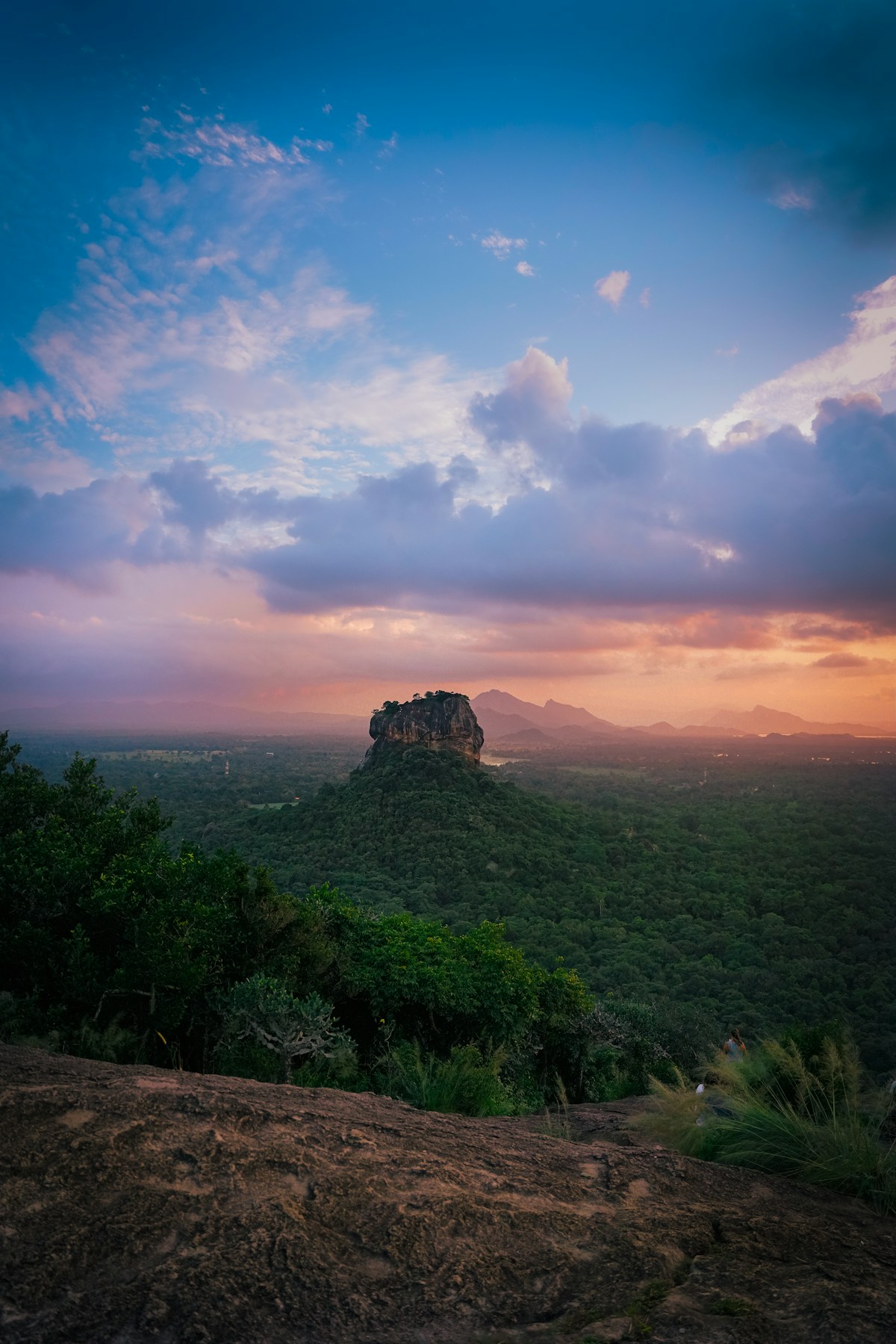
Cultural Triangle (Sigiriya, Polonnaruwa, Anuradhapura, Dambulla)
Best: December to April, July to August
The interior dry zone is hot year-round but significantly wetter May to October. December to April offers the clearest conditions. July and August are also manageable - less rain than May–June and less extreme heat than March–April. Expect temperatures of 30–35°C throughout the year; early morning visits to Sigiriya significantly improve the experience.
Hill Country (Kandy, Ella, Nuwara Eliya, Horton Plains)
Best: December to March (clearest), June to September (pleasant but some rain)
The Hill Country is cooler than the coast year-round - Nuwara Eliya averages 15–20°C, Ella 22–25°C. December to March gives the clearest skies for views. May and June bring the tail end of the southwest monsoon and can be wet. Nuwara Eliya and Horton Plains are frequently mist-covered April–June; early morning is always the clearest time regardless of month.
East Coast (Trincomalee, Uppuveli, Nilaveli, Batticaloa, Arugam Bay)
Best: April to September
The east coast’s dry season is the opposite of the west. This is when the sea is calm, the beaches are swimmable, and Arugam Bay’s surf is running. Trincomalee and Nilaveli are at their best June–August. Arugam Bay peak surf season is the same period. Between October and March, the northeast monsoon brings rough conditions - many guesthouses on the east coast close or reduce services.
North (Jaffna, Mannar)
Best: February to September
Jaffna is at its driest and most accessible from February to September. The northeast monsoon (November–January) can affect the north, though less dramatically than the east coast. The intense heat of March–May is manageable with early-morning activities. The Nallur Festival in Jaffna falls in July or August and is worth timing around.
April: Hot and Transitional
April is Sri Lanka’s hottest month island-wide, coinciding with the Sinhalese and Tamil New Year (April 13–14). Colombo and the coastal lowlands become intensely hot and humid. Many locals travel internally, creating congestion. It is not the worst time to visit - things are still functioning - but it is the least comfortable month for most travellers.
Avoiding the Peak Season Price Surge
December 20 to January 10 is peak season on the west and south coasts. Prices for beach accommodation in Galle, Mirissa, and Weligama can be 50–100% above shoulder rates. If you want the same weather at lower prices, travel in the first three weeks of November instead - see our Sri Lanka in November guide for what the shoulder season looks like in practice.
Public Holidays to Plan Around
Poya (full moon) days are public holidays every month. Alcohol sales are banned nationwide - restaurants, hotels, and shops cannot legally serve alcohol. If you are planning a beach dinner with wine, check the Poya calendar for your travel dates.
Vesak (May full moon): the most significant Buddhist festival, marking the birth, enlightenment, and death of the Buddha. Colombo and Buddhist temple towns have elaborate decorations and lantern festivals. Worth witnessing; alcohol ban applies.
Esala Perahera (Kandy, July–August): the most spectacular festival in Sri Lanka, a 10-night procession of elephants, drummers, and dancers in Kandy. The final nights draw enormous crowds. Book Kandy accommodation weeks ahead. Whatever month you travel, browsing Sri Lanka tours in advance helps you understand which activities are in season and available for your dates.
National holidays also cover Thai Pongal (January), Independence Day (February 4), Good Friday (for Tamil Catholics particularly in Jaffna and Mannar), and Christmas (December 25).