Digital Nomad Guide to Sri Lanka: Costs, Cities, and Connectivity
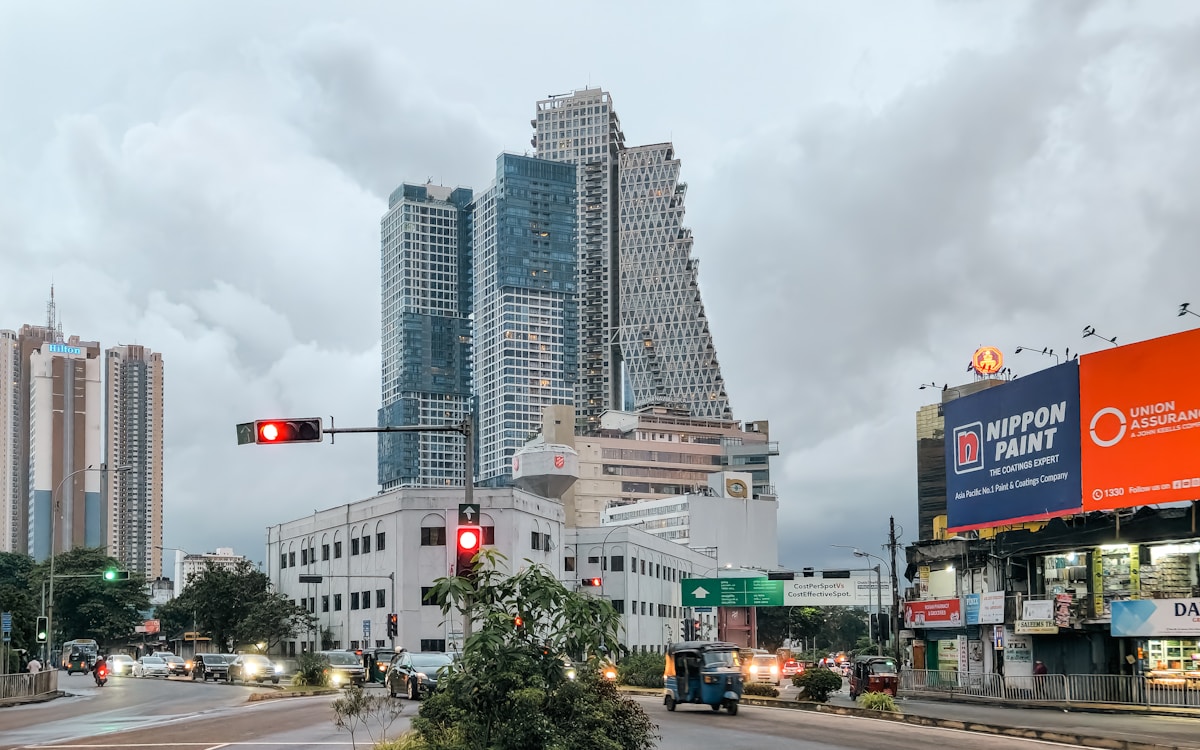
Sri Lanka has emerged as a legitimate digital nomad destination over the past few years. The combination of low costs, fast improving connectivity, a range of landscapes and climates within a small island, and a generally welcoming attitude to remote workers makes it worth serious consideration. There are trade-offs — visas limit longer stays, and internet reliability outside Colombo and Galle still requires workarounds — but the basics are there for productive remote work.
Visa Situation
Sri Lanka does not have a dedicated digital nomad visa as of mid-2026. The standard tourist ETA (Electronic Travel Authorisation) allows 30 days, extendable twice at the Colombo immigration office for a total of up to 90 days.
Beyond 90 days, most nomads leave and re-enter (popular options: a quick flight to India, Malaysia, or Thailand) or shift to a business visa through a local company. The 90-day limit is enforced — overstaying incurs fines.
Practically speaking, Sri Lanka works well as a 1–3 month base, especially during the November–April season when the west and south coasts are at their best.
The ETA is applied for at eta.gov.lk and costs $20–35 depending on nationality. Extensions are handled in person at the Department of Immigration in Colombo; the process takes half a day.
Monthly Costs
These are realistic estimates for a comfortable but not extravagant nomad life:
| City | Monthly Budget (Comfortable) |
|---|---|
| Colombo | $1,100–1,800 |
| Galle Fort | $900–1,500 |
| Kandy | $700–1,200 |
| Ella | $600–1,000 |
| Arugam Bay (season) | $700–1,200 |
Accommodation: A private room with AC and bathroom in a guesthouse runs $25–60/night; monthly apartment rentals in Colombo start around $400–700 for a studio in decent neighbourhoods (Colombo 3, 5, 7). Monthly rates for Galle Fort apartments start at $600–900.
Food: Local rice and curry from a kadev: LKR 300–600 ($1–2). Cooking at home costs around $200–300/month for groceries. Eating at restaurants daily: $5–15 per meal at mid-range places; budget $400–600/month for eating out daily.
Transport: Using PickMe (local ride-hailing) daily in Colombo adds $50–100/month. Outside Colombo, a tuk-tuk day hire is $15–25.
SIM + data: Dialog tourist or local SIM with monthly data package: LKR 1,500–3,500 ($5–12). This is your backup internet — always have it active.
Internet
This is the honest part of the picture.
Colombo: Fibre internet is available in apartments and coworking spaces. Speeds of 50–100 Mbps are achievable. Reliability has improved significantly since 2023. For video calls and cloud work, Colombo is now genuinely productive.
Galle and the South Coast: More variable. Some guesthouses have good fibre; others run on patchy ADSL. Many nomads in Galle work from cafes and coworking spaces with good connections, relying on their Dialog SIM as a backup.
Hill Country (Ella, Nuwara Eliya): The scenic trade-off. 4G is patchy — Dialog generally gives the best coverage, but speeds drop significantly in valleys and at elevation. Ella’s hillside guesthouses often have weak signal. If uninterrupted connectivity matters, the Hill Country is a lifestyle break rather than a primary work base.
Arugam Bay: Improving but still basic. Peak season (June–August) brings more nomads and the infrastructure has responded. Dialog 4G works for most tasks; Zoom calls are possible but not guaranteed. Good for short stays, not for mission-critical deadlines.
Practical tip: Carry a Dialog SIM with a data package at all times. Use it as a hotspot when guesthouse wifi fails. In Colombo, coworking spaces are more reliable than guesthouses for sustained daily work.
Coworking Spaces
Colombo
Colombo has the most developed coworking scene, concentrated in Colombo 3, 5, and 7.
TRACE Expert City (Maradana): government-backed technology park with office and coworking options; mostly local tech companies but day passes available.
CO-LAB Colombo (Thimbirigasyaya): well-regarded private coworking, hot desks from ~LKR 2,500/day ($8), monthly memberships available; good wifi, meeting rooms.
Impact Hub Colombo (Colombo 3): part of the global Impact Hub network; community-focused; day passes and memberships; events and networking.
Regus and WeWork both have Colombo locations — standard corporate coworking, reliable, more expensive.
Café culture in Colombo is strong and many cafes (Kumbuk, Barefoot Café, The Gallery Café) tolerate laptop workers with strong enough wifi for basic tasks.
Galle
Galle has a small but growing coworking scene, mostly inside or near the Fort. Cobalt Cowork operates near the Fort; several cafes inside the Fort have adequate wifi for light work. For heavy work, staying in a Fort guesthouse with fibre is often the most practical solution.
Ella and the Hill Country
No dedicated coworking spaces. Nomads work from guesthouses and the handful of cafes with decent connections (Cafe Chill, The Hangover are popular). Go early — the best spots fill up. For sustained work, Ella functions better as a long weekend than a work base.
Arugam Bay
No coworking spaces. Work from your surf camp or the main village cafes. Connectivity is acceptable for emails and Slack but treat video calls as a bonus, not a given.
Best Cities for Different Lifestyles
Best for productivity: Colombo — best infrastructure, fastest internet, most coworking options, widest food choice. Less scenic than the rest of the island, but the most functional for output-heavy work.
Best for lifestyle balance: Galle — beautiful colonial setting, good cafes and restaurants, reasonable connectivity, easy day trips to beaches. Most popular with long-stay nomads for good reason.
Best short stay: Ella — good for a work-free week recharging in the hills; don’t plan intensive deadlines here.
Best for surfers: Arugam Bay (May–October) or Weligama (November–April) — plan a lighter schedule around surf sessions.
Healthcare
Private hospitals in Colombo (Lanka Hospital, Apollo, Nawaloka) are internationally standard and significantly cheaper than equivalent care in Europe or North America. A GP consultation runs $20–40; a minor emergency room visit $50–150. Travel insurance with medical coverage is still essential — repatriation, surgery, and extended care costs add up.
Regional hospitals in Kandy and Galle are adequate for routine issues. Outside major towns, facilities are basic.
Community
Colombo has a small but active expat and nomad community. Events are posted through local Facebook groups and on Meetup. Galle has a tightly-knit creative and nomad scene — the fort functions almost as a village within the city and people tend to know each other quickly.
Practical Notes
- Power cuts (load shedding) were a major issue during the 2022 economic crisis. The situation has stabilised as of 2026 but brief outages still occur — use a UPS or charged laptop at all times, and pick coworking spaces and accommodation that advertise backup power.
- LKR is the local currency; USD is widely accepted in tourist areas but rates are often unfavourable — use a local bank account or a Wise/Revolut card for ATM withdrawals.
- Sri Lanka drives on the left; traffic in Colombo is genuinely heavy. Factor commute time when choosing accommodation relative to your coworking space.
Frequently Asked Questions
- Does Sri Lanka have a digital nomad visa?
- No dedicated digital nomad visa exists as of mid-2026. The standard tourist ETA allows 30 days, extendable twice for a total of up to 90 days. Beyond that, most nomads leave and re-enter via India, Malaysia, or Thailand.
- How much does it cost to live in Sri Lanka as a digital nomad?
- Monthly costs range from around $600–1,000 in Ella or Arugam Bay to $1,100–1,800 in Colombo. A private room with AC in a guesthouse runs $25–60 per night; monthly apartment rentals in Colombo start at $400–700.
- Is the internet reliable enough for remote work in Sri Lanka?
- It depends on location. Colombo has fibre broadband with speeds of 50–100 Mbps and is genuinely productive for video calls and cloud work. Galle is more variable. The Hill Country (Ella, Nuwara Eliya) has patchy 4G and is better treated as a lifestyle break than a primary work base.
- What are the best coworking spaces in Colombo?
- CO-LAB Colombo (Thimbirigasyaya) and Impact Hub Colombo (Colombo 3) are well-regarded options with day passes and monthly memberships. Regus and WeWork also have Colombo locations. Hot desks start from around LKR 2,500 per day.
- Which city is best for digital nomads in Sri Lanka?
- Colombo offers the best infrastructure and fastest internet, making it the most productive base. Galle is the most popular choice for a lifestyle balance — colonial setting, good cafes, and reasonable connectivity. Ella suits short stays rather than intensive work periods.
- Are there power cuts in Sri Lanka that affect remote workers?
- Brief outages still occur as of 2026, though the severe load shedding from the 2022 economic crisis has stabilised. Using a UPS or keeping your laptop charged is advisable, and coworking spaces with backup power are preferable for uninterrupted work.