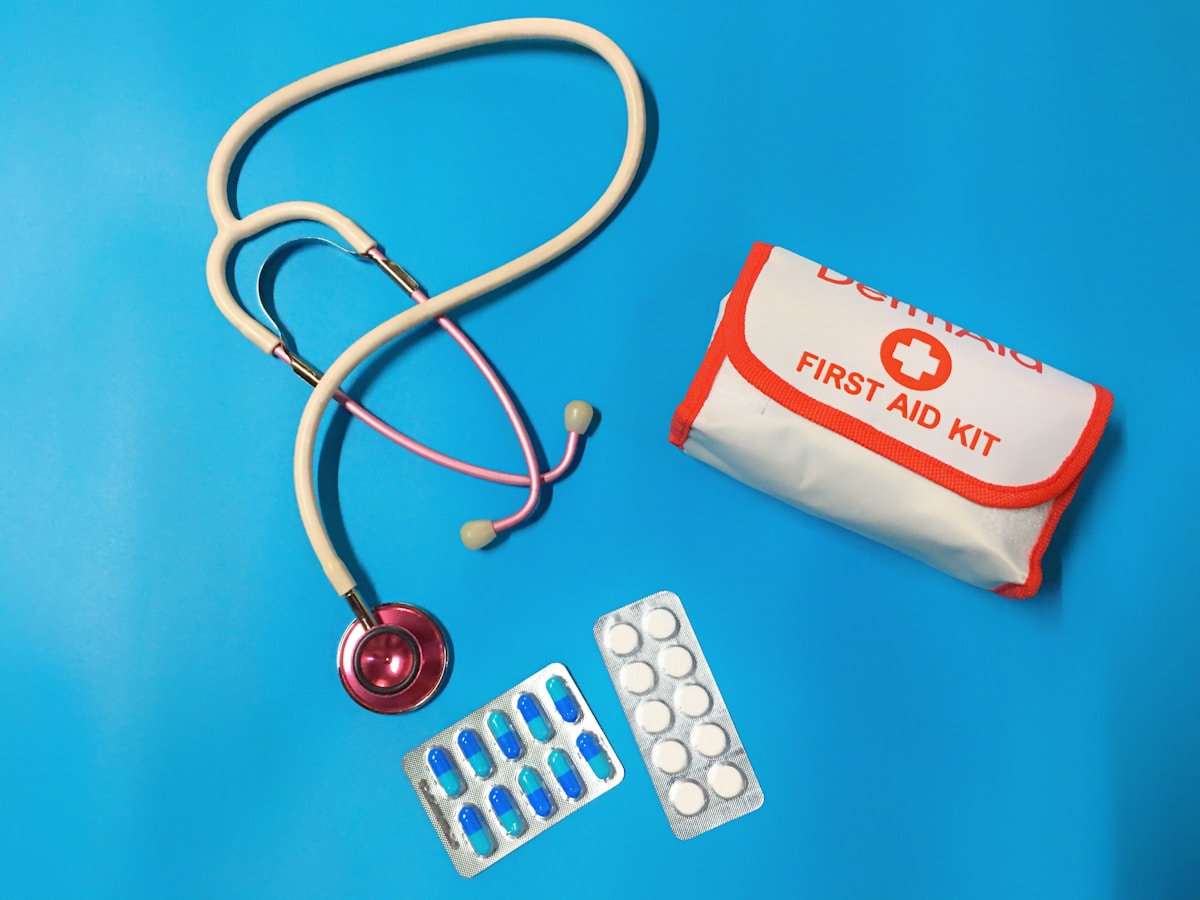
Sri Lanka is generally a safe and manageable destination for travellers. The country has a functioning healthcare system with good private hospitals in Colombo, low violent crime rates, and a broadly welcoming attitude toward visitors. The main risks are environmental and road-related rather than security-related. Travel insurance for Sri Lanka is strongly recommended - private hospital costs in Colombo are manageable, but emergency medical evacuation to your home country can cost tens of thousands of dollars without cover.
Health
Vaccinations
No vaccinations are mandatory for entry to Sri Lanka (unless arriving from a yellow fever zone, in which case a yellow fever certificate is required). The following are commonly recommended - confirm with your home country’s travel health clinic:
- Hepatitis A: recommended for most travellers
- Hepatitis B: recommended for longer stays or those with potential medical exposure
- Typhoid: recommended, particularly if eating at local restaurants extensively
- Tetanus: ensure your routine booster is current
Routine vaccinations (measles, diphtheria, pertussis, polio) should be up to date.
Malaria
Malaria risk in Sri Lanka is low in most tourist areas - Colombo, Kandy, Galle, Ella, Nuwara Eliya, and the main coastal towns have no significant transmission. Some risk exists in the dry zone north and east (parts of Mannar, remote interior areas). Current WHO and UK/US/Australian travel health guidance does not recommend prophylactic medication for standard tourist itineraries. Check the latest guidance from your national travel health authority for your specific itinerary.
Dengue Fever
Dengue is present throughout Sri Lanka year-round, with higher transmission during and immediately after the monsoon seasons. It is the more relevant mosquito-borne risk for most visitors.
Preventive measures: use DEET-based repellent, particularly during daytime hours (dengue mosquitoes are most active dawn to dusk - unlike malaria mosquitoes which are most active at night). Wear long sleeves and trousers in high-risk periods if practical. There is no vaccine routinely available for travellers.
Stomach Illness
Drink bottled or filtered water throughout Sri Lanka - tap water is not safe for drinking in most areas. Avoid ice in smaller local restaurants where it may be made from tap water. Food at busy local kadevs is generally safe; the high turnover means food is freshly cooked. Avoid food that has been sitting in the heat for extended periods.
Heat and Sun
The lowlands and coast are consistently hot (28–35°C year-round). Stay hydrated, wear sunscreen, and avoid extended outdoor activities in the midday heat (11am–3pm). The Hill Country is significantly cooler - Nuwara Eliya and Horton Plains can be cold in December–February.
Medical Facilities
Colombo (private hospitals):
- Lanka Hospital, 578 Elvitigala Mawatha, Colombo 5 - reliable, English-speaking staff, good range of specialists, used to treating international patients
- Nawaloka Hospital, 23 Deshamanya H K Dharmadasa Mawatha, Colombo 2
- Apollo Hospital, 578 Elvitigala Mawatha area - international standard
Government hospitals: The Colombo National Hospital is free and covers basic care; expect long waits and variable English proficiency. In regional towns, government hospitals provide basic services.
Outside Colombo: District general hospitals exist in Kandy, Galle, Jaffna, Trincomalee, and other major towns. Facilities are more limited than Colombo private hospitals; for serious illness or injury, medical evacuation to Colombo is sometimes appropriate.
Safety
Crime
Travelling solo? Our Sri Lanka solo travel guide covers the safest bases, Arugam Bay’s social surf scene, and specific tips for solo women.
Sri Lanka has low rates of violent crime against tourists. Petty theft occurs in crowded areas - Colombo’s Pettah market, bus stations, and tourist-heavy beaches. Keep valuables secure, do not leave bags unattended on the beach, and use the safe in your accommodation.
Search hotels in Sri Lanka on Booking.com
Tuk-Tuk Scams
The most common nuisance for tourists. Some tuk-tuk drivers in tourist areas inflate prices significantly, take indirect routes, or steer passengers toward commission-paying shops and gem stores. Mitigations: use PickMe app (metered, transparent fares), agree on the fare before getting in when using street tuk-tuks, and firmly decline any offer to visit a “special shop” or “my friend’s place”.
Swimming Safety
Rip currents are present on parts of the west and south coasts, particularly during the southwest monsoon (May–October) when the sea is rough. Swimming at beaches during rough monsoon conditions is dangerous and several tourist drownings occur annually. Always check local advice and look for warning flags before entering the sea at an unfamiliar beach. The east coast during its dry season (April–September) has generally calmer conditions.
Road Safety
Road accidents are a significant risk in Sri Lanka. The road network mixes fast traffic with pedestrians, cyclists, tuk-tuks, and animals. If hiring a motorbike, always wear a helmet - this is legally required and basic safety. Assess the condition of any rented vehicle before taking it. Hire reputable drivers for longer journeys.
Wildlife
Do not approach wild elephants under any circumstances. Elephant encounters in national parks (Yala, Udawalawe, Minneriya) and occasionally on roads through the park boundary zones cause several tourist injuries and deaths annually. Elephants are large, fast, and unpredictable. Stay in your vehicle and maintain distance.
Political and Social Context
Sri Lanka is politically stable following the economic and political crisis of 2022, which has largely resolved. There are no active conflict zones. The north (Jaffna, Mannar) is safe for tourists and has been for over fifteen years. Avoid photographing military installations, government buildings marked as restricted, or security personnel without permission.
Buddhist and Hindu Sites
Dress respectfully at all religious sites: cover shoulders and legs, remove footwear when entering temple precincts. At Hindu kovils, additional rules apply (such as men removing shirts at certain temples). Photographing religious ceremonies requires sensitivity - watch what other visitors do and follow accordingly.