Surfing in Sri Lanka: Spots, Seasons, and What to Expect
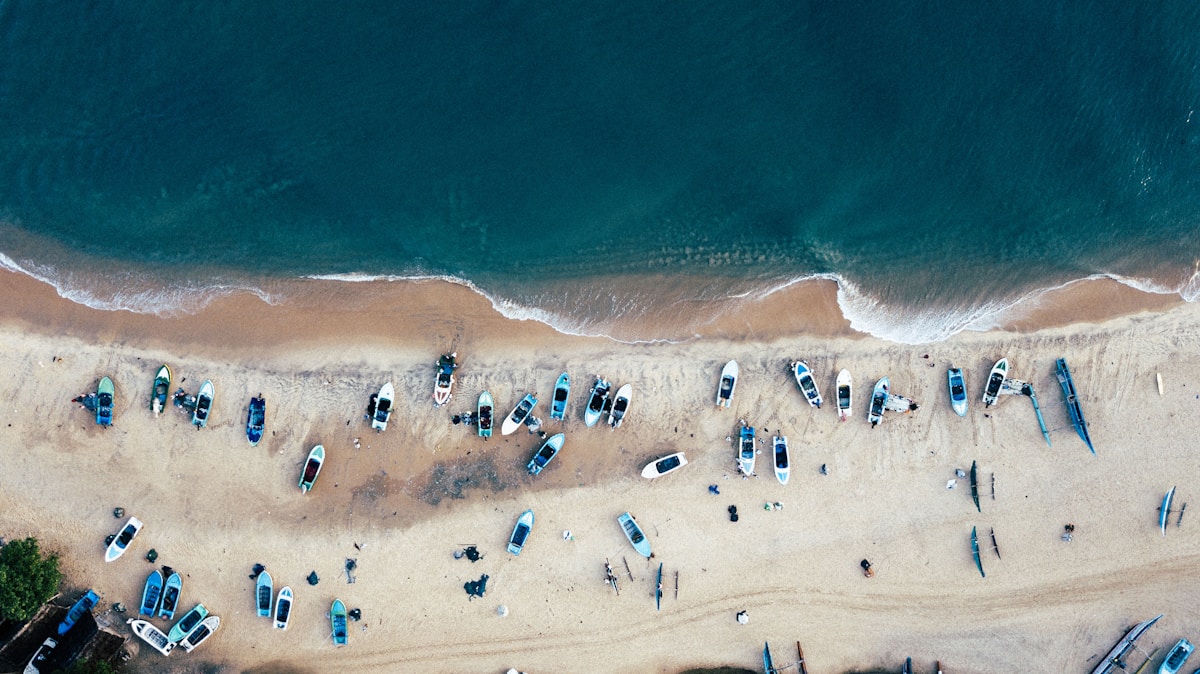
Sri Lanka has two distinct surf seasons, one on each coast, which means good waves somewhere on the island for most of the year. The east coast (Arugam Bay) fires May–October; the west and south coasts (Weligama, Hikkaduwa, Mirissa) peak November–April. Whether you’re an experienced surfer or picking up a board for the first time, Sri Lanka has a wave for you.
East Coast — May to October
Arugam Bay
Arugam Bay is Sri Lanka’s surf capital and one of the top point breaks in Asia. The southwest monsoon generates consistent right-hand waves from May through October, peaking in June–August.
Main Point is the headline break — a 200–300m right-hand point that can hold waves up to 8 feet on good swells. It works best for intermediate to advanced surfers. Crowds build in high season but the point is long enough to spread out.
Whisky Point (5km north of the village): softer, more forgiving rights that work well for intermediate surfers and are less crowded than Main Point.
Crocodile Rock (Pottuvil, 6km north): heavy wave, experienced surfers only.
Baby Point: close to the village, gentle and shallow — the best option for true beginners.
Board hire is available throughout the village from around LKR 800–1,500 per day. Surf lessons cost $20–30 for a 2-hour session. Several surf camps offer accommodation with boards included.
The village is small and entirely geared around surf culture during the season. Accommodation fills up June–August — book well ahead.
South and West Coast — November to April
Weligama
Weligama Bay is the best place in Sri Lanka to learn to surf. The bay is broad and shallow, producing long, gentle waves that are forgiving for beginners. This is the go-to spot for first-timers — surf schools line the beach road and gear up for the season from November onwards.
Lessons typically cost $20–30 for 1.5 hours including board and instructor. Board hire alone runs LKR 800–1,200 per day. The wave at Weligama breaks slowly and consistently — it’s rare to find a south coast spot this reliable for beginners.
For more experienced surfers, Weligama is worth skipping in favour of the spots below.
Hikkaduwa
Hikkaduwa has a solid beach break at the north end of the long main beach (the Narigama section). It’s a fun wave for intermediate surfers when the swell is up — works best with a south or southwest groundswell in November–March. Not a great wave on small days. Boards for hire all along the beach road.
Hikkaduwa is also the best snorkelling and diving base on the west coast, so it’s a good stop even on flat days.
Mirissa
Mirissa Beach itself isn’t a serious surf spot — the bay is usually too sheltered — but Secret Beach, 15 minutes west along the coast, can produce fun waves when the swell direction is right. Mirissa is better known as the whale watching capital than for surf, but it’s worth checking if you’re already based there.
Kalpitiya — Kite Surfing
Kalpitiya (northwest coast) is Sri Lanka’s kite surfing hub, not board surfing. The Dutch Bay lagoon produces flat, wind-swept water ideal for learning kite surfing, while the ocean side offers choppier conditions for more experienced riders. The kite surfing season runs May–October (southwest monsoon), directly in line with Arugam Bay’s surf season.
Lessons start from around $60–80 for a 2-hour beginner session. Several kite camps operate in Kalpitiya, most offering multi-day packages including accommodation.
Surf Seasons at a Glance
| Coast | Best Months | Key Spots |
|---|---|---|
| East coast | May–October | Arugam Bay, Pottuvil |
| West/South coast | November–April | Weligama, Hikkaduwa |
| Kite surfing (northwest) | May–October | Kalpitiya |
Gear and Board Hire
Bringing your own board has become more practical with airlines allowing boards as oversized luggage for a fee. Most experienced surfers travelling to Arugam Bay in peak season bring their own shortboards or fish shapes.
For everyone else, hire is easy and cheap. Quality of boards varies — inspect before hiring and avoid cracked fins or heavy waterlogging.
Surf Lessons
Both Weligama (beginners, November–April) and Arugam Bay (all levels, May–October) have plenty of instructors. Many speak English. Look for instructors who stay in the water with you rather than shouting from the beach.
For children: Weligama is the safest option, with a gently shelving beach and no strong currents in the bay.
What to Know Before You Go
Reef and rock: Several Sri Lanka surf breaks have reef or rock underneath. Arugam Bay Main Point breaks over sand but shallows towards the rocks at low tide. Wear booties if you’re unsure.
Sun: Equatorial sun is intense. Wear a rash vest, apply reef-safe sunscreen, and cover up between sessions. UV exposure while surfing all day is significant.
Rip currents: Present at some spots during heavy swell. If caught in a rip, paddle parallel to the shore to exit, not directly back to the beach.
Localism: Arugam Bay is generally relaxed and international in vibe during the season. Respect locals in the line-up, don’t drop in, and the atmosphere is good.
Frequently Asked Questions
- What is the best time to surf in Sri Lanka?
- It depends on the coast. Arugam Bay on the east coast is best May–October, peaking June–August. The west and south coasts (Weligama, Hikkaduwa) peak November–April. Kalpitiya for kite surfing runs May–October. Good waves exist somewhere on the island for most of the year.
- Is Arugam Bay good for beginners?
- Main Point and Whisky Point at Arugam Bay suit intermediate to advanced surfers. Baby Point, close to the village, is the best option for true beginners — it's gentle and shallow. For learning, Weligama on the south coast (November–April) is the most suitable spot on the island, with long, forgiving waves designed for first-timers.
- How much do surf lessons cost in Sri Lanka?
- Surf lessons cost $20–30 for a 2-hour session at both Weligama and Arugam Bay. Board hire alone runs LKR 800–1,500 per day. Several surf camps in Arugam Bay offer accommodation with boards included during the season.
- Where is the best place to learn to surf in Sri Lanka?
- Weligama Bay is the best place to learn. The bay is broad and shallow with long, gentle waves that break slowly and consistently — surf schools line the beach road from November onwards. It is also the safest option for children.
- Do I need to bring my own surfboard to Sri Lanka?
- No — board hire is easy and cheap across all main surf spots. Quality varies so inspect before hiring and avoid cracked fins or heavily waterlogged boards. Experienced surfers travelling to Arugam Bay in peak season often bring their own shortboards or fish shapes as airline oversized luggage.
- Are there reef breaks at Sri Lanka surf spots?
- Some breaks have reef or rock underneath. Arugam Bay Main Point breaks over sand but shallows toward rocks at low tide — booties are advisable if unsure. Always assess conditions before paddling out at an unfamiliar break and be aware that rip currents are present at some spots during heavy swell.