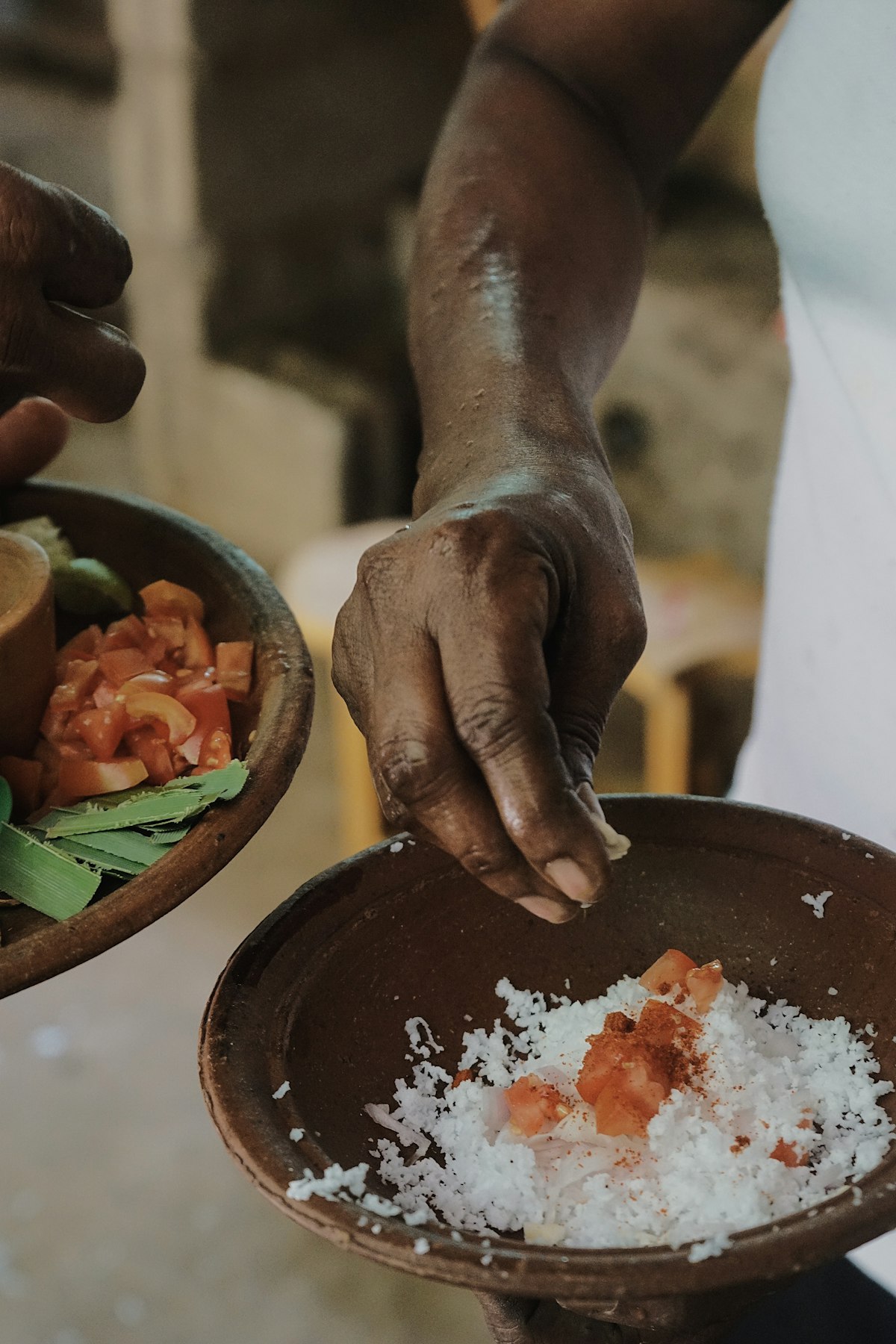
Sri Lankan food is built on spice layers and technique that look more complex than they are once someone explains the logic. A cooking class cuts the learning curve: you leave able to build a proper curry base, make hoppers that don’t stick, and understand why Sri Lankan food tastes different from Indian cooking even when the ingredients seem similar.
Classes run across the country but the best experiences concentrate in three locations: Colombo, where professional kitchens and home cooks both offer well-organised sessions; Galle, where the Fort area has an established food scene and some instructors incorporate fresh seafood; and Ella, where the slower pace and guesthouse culture suit longer, more informal home-cooking formats.
What You Learn
Hoppers (Appa)
The fermented rice and coconut batter dish is Sri Lanka’s most distinctive breakfast food. Getting the batter right requires understanding fermentation - the batter needs 8–12 hours - but the technique for cooking hoppers in a small curved iron pan is learnable in a single session. Most classes teach plain hoppers and egg hoppers (where an egg is cracked into the centre as the hopper sets).
Rice and Curry
Not a single dish but a meal structure: rice plus four to six accompanying curries, each cooked separately. A good class teaches at least two or three curry types: a protein curry (chicken or fish), a vegetable curry (jackfruit, green beans, or drumstick), and a dhal. The technique - tempering mustard seeds and curry leaves in hot oil before adding aromatics - is transferable across the whole curry family.
Kottu Roti
The sound of kottu - two metal blades chopping shredded roti on a hot iron griddle - is the soundtrack of Sri Lankan street food evenings. Classes that include kottu teach you to make the roti first (a flatbread with coconut and flour), shred it, then stir-fry it with vegetables, egg, and curry sauces. The result is the closest Sri Lankan food gets to a one-pot comfort dish.
Pol Sambal and Coconut Preparations
Freshly scraped coconut, chilli, onion, Maldive fish flakes, and lime juice. Pol sambal is made at almost every Sri Lankan meal and the method - the ratio of coconut to chilli, the importance of fresh over dried coconut - is one of the most practically useful things you can take home.
Colombo Classes
Lanka Cooking Class (Colombo 7 area): a three-hour group class covering four dishes - typically hoppers, two curries, and pol sambal. Classes run most mornings with a maximum of eight participants. Price: approximately LKR 7,500 (USD 25) per person as of 2026. Transport from Colombo hotels sometimes included; confirm when booking.
Margosa Cooking Studio (Wellawatta): more professionally run, with a fully equipped kitchen and written recipe cards to take home. Classes focus on the “full rice and curry spread” - six dishes, including a fish ambul thiyal (sour fish curry using goraka) and a coconut milk curry. Price: approximately LKR 9,000 (USD 30) per person as of 2026.
Home kitchen experiences via GetYourGuide: several home cooks list private cooking experiences through GetYourGuide from approximately USD 35 per person, often including a market visit to Manning Market or Pettah. These are less structured than studio classes but give a more genuine view of home cooking. Duration: 3–4 hours. Browse Sri Lanka cooking and food tours for current availability across Colombo, Galle, and Ella.
Galle Classes
Galle Cooking Experience (Galle Fort area): a half-day class starting with a market visit to pick up fresh ingredients before returning to the kitchen. The menu typically includes a crab or prawn curry (reflecting the southern coastal catch), pol roti, and a dhal. Maximum six participants. Price: approximately LKR 8,500 (USD 28) per person as of 2026.
The Spice Garden Kitchen (Unawatuna, near Galle): based in a garden setting just outside Galle Fort, this class covers five dishes over three hours with heavy emphasis on fresh spice identification - you handle whole cinnamon, cardamom, cloves, and goraka before they go into the pot. Good for anyone interested in the ingredient side as much as the cooking. Price: approximately LKR 7,000 (USD 23) per person as of 2026.
The southern coast gives Galle-based classes access to better seafood than inland locations. If you want to learn to cook crab or lagoon prawn curry properly, a Galle class is the better choice over Colombo or Ella.
Ella Classes
Ella Home Cooking (Main Street area, Ella): an informal home-kitchen experience with a local family - maximum four participants, which makes it closer to a private lesson. The menu varies based on what is available at the Ella Market that morning but typically covers rice and curry, pol roti, and string hoppers. Duration: 3–4 hours. Price: approximately LKR 5,500 (USD 18) per person as of 2026.
Rawana Farm Kitchen (near Ella): farm-to-table cooking class in a working garden. You harvest some ingredients before cooking - usually fresh herbs, green chillies, drumstick (moringa) - then cook a vegetable-focused spread that reflects what is available. Popular with longer-stay travellers and those interested in organic or plant-based Sri Lankan food. Price: approximately LKR 7,000 (USD 23) per person as of 2026.
Ella’s classes run at a slower pace than Colombo. The guesthouse atmosphere means classes often start later (9–10am rather than 7am) and include extended eating and conversation at the end. They suit travellers who have a few days in the hill country rather than those passing through for one night. For a traditional cooking and dining experience in Ella with advance booking, Klook’s Ella cooking class covers a full Sri Lankan meal with dining included.
Booking and Practical Notes
- GetYourGuide lists verified cooking class operators across Colombo, Galle, and Ella with confirmed prices, cancellation policies, and reviews. Search “Sri Lanka cooking class” or a specific city name for current availability
- Most classes include the meal you cook as lunch or a late breakfast - account for this when planning meals around the session
- Vegetarian and vegan adaptations are available at most operators; confirm when booking as some recipes use Maldive fish by default
- Sessions in private homes or farms typically require a day’s advance notice at minimum; studio classes in Colombo may have daily slots
- Morning timing works best for most formats - the market visit needs fresh produce, and eating rice and curry at 1pm rather than 3pm is more natural
What to Buy Before You Leave
Several cooking class operators in Colombo and Galle have small retail sections or can direct you to shops where you can buy:
- Roasted curry powder: the Sri Lankan blend differs from Indian garam masala - heavier on roasted coriander and fennel, less on garam spices
- Goraka (Malabar tamarind): dried and pressed; gives ambul thiyal its distinctive sour note and is difficult to find outside Sri Lanka
- Dried Maldive fish: the fermented dried tuna used in pol sambal; sold in small quantities for travel
- Raw coconut oil: for cooking and tempering; a different product to the refined version sold internationally
These items travel as checked luggage with no issues under standard food import rules for most countries, though check your destination’s regulations for dried fish.
Plan Your Trip
- Visit Colombo
- Visit Ella
- Visit Galle
- Hotels in Kandy - Kandy’s market and spice stores pair naturally with a morning cooking class; several operators run combined market-and-cook sessions from a Kandy base
Related Guides
- Sri Lankan food guide - the dishes you’ll be cooking: hoppers, kottu, rice and curry, and sambal
- Colombo food guide - where to eat the dishes you’ve just learnt to cook
- Best Sri Lankan dishes to try - what to eat before or after taking a class
- Kandy travel guide - Kandy market for fresh spices and Maldive fish before class
- 1-week Sri Lanka itinerary - where to fit a cooking class into a short trip