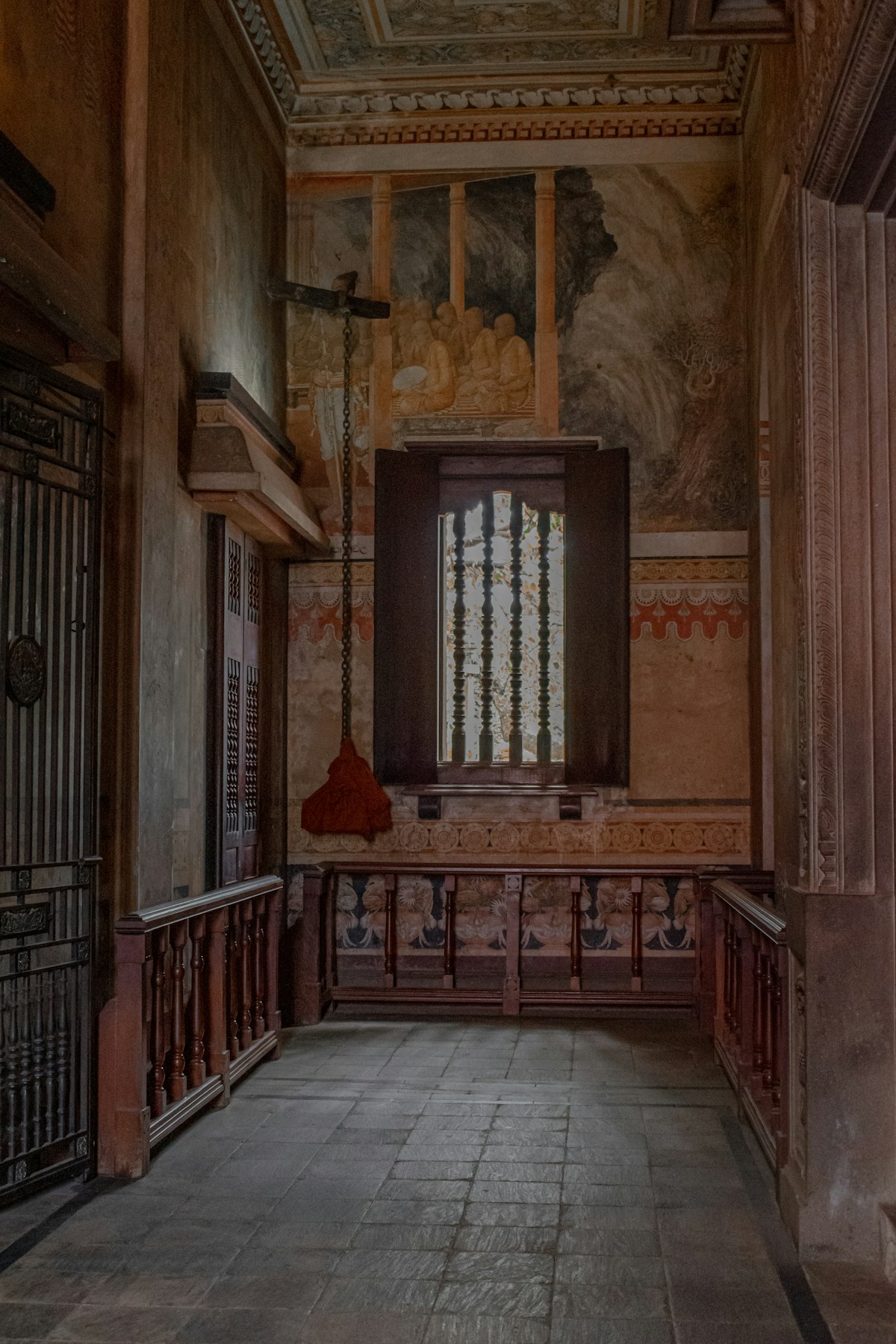
Kelaniya Raja Maha Vihara sits beside the Kelani River in the suburb of Kelaniya, about 11 km north-east of central Colombo. The temple is one of the three most sacred Buddhist sites in Sri Lanka - alongside Sri Pada (Adam’s Peak) and the Temple of the Tooth in Kandy - and receives a steady stream of worshippers throughout the day. It is also included on some versions of the Ramayana Trail as the site where Ravana’s brother Vibhishana was crowned king of Lanka after Rama’s victory.
For visitors based in Colombo, Kelaniya is the most accessible major temple in the country: a 30-45 minute drive from the city centre, free to enter, and open throughout the day.
History and Significance
The Buddha is said to have visited Kelaniya three times, according to Sri Lankan Buddhist tradition. The first visit (during which he preached the Dharma to the Naga king who ruled this area) is commemorated each January during the Duruthu Perahera festival. A dagoba (stupa) was later built on the spot where the Buddha sat.
The current temple buildings date primarily from the 18th and 19th centuries, after repeated destruction by South Indian invaders and Portuguese colonial forces. The Portuguese demolished the original complex in 1575 and used its stones for construction elsewhere. The temple was rebuilt during the Kandyan period and renovated extensively in the 20th century, when the famous mural paintings were commissioned.
The Ramayana Connection
Kelaniya’s place in the Ramayana story comes at the conclusion of the epic. After Rama defeated Ravana in battle at Nuwara Eliya and Lanka was brought under his protection, Vibhishana - Ravana’s righteous younger brother who had supported Rama’s cause - was installed as the new king. The coronation is said to have taken place at Kelaniya.
This association makes Kelaniya meaningful to Indian visitors on the Ramayana Trail in a different way from the purely Hindu sites: it represents the resolution of the story, the restoration of dharmic order after the conflict. Some Ramayana Trail itineraries begin or end at Kelaniya for this reason.
The Famous Murals
The interior walls of the main temple building are covered in paintings executed between 1927 and 1960, primarily by a team of artists working under the direction of Justin Pieris Deraniyagala. These murals are considered among the most significant works of modern Sri Lankan Buddhist art.
Three main themes run through the murals:
Jataka tales: Stories of the Buddha’s 500 previous lives, depicted in detailed panels that wrap around the interior walls. Each panel is identified by inscription, and the scenes range from simple moral tales to complex court scenes with hundreds of figures.
The legend of Kelaniya: Scenes depicting the temple’s own history, including the Buddha’s visits and the story of how a king angered the Naga spirits by performing a ritual improperly (the punishment involved flooding, which explains why the temple sits on slightly raised ground above the river).
The life of the historical Buddha: Scenes from Siddhartha Gautama’s life, from his birth at Lumbini through enlightenment at Bodh Gaya to the first teaching at Sarnath and his death at Kushinagar.
The murals are best viewed in the morning when natural light comes through the windows on the eastern side of the building. A slow walk through the interior can take 45-60 minutes if you read the panel inscriptions and trace the narrative sequences.
The Dagoba and Outer Complex
The white dagoba (stupa) at the centre of the compound enshrines, according to tradition, a throne on which the Buddha sat during his first visit. The structure visible today is a 20th-century reconstruction over the original mound; the exterior is plastered white and topped with a gilded spire.
Surrounding the dagoba are several smaller shrines, including:
- A Bo tree enclosure: A sapling descended, through a documented lineage, from the sacred Bo tree at Anuradhapura (itself a cutting from the original Bodh Gaya tree under which the Buddha attained enlightenment).
- The Vibhishana shrine: A small structure dedicated to Vibhishana, the Lanka king installed by Rama. Worshippers leave offerings here, and it marks the Ramayana connection explicitly.
- Devale shrines: Several devales (god-houses) within the compound where Hindu deities are propitiated - a reflection of Sri Lanka’s syncretic religious practice.
Opening hours: Daily 6 am to 8 pm. The complex is open continuously; there are no timed entry sessions.
Entry fee: Free. Donations accepted at each shrine.
Dress code: Covered shoulders and knees required. Remove shoes before entering any shrine building or the dagoba compound. White clothing is traditional for Sri Lankan Buddhist visitors but not required of foreigners.
The Duruthu Perahera
Held on the Duruthu full moon poya day (usually January), the Duruthu Perahera is Kelaniya’s defining annual event. It is one of the largest Buddhist processions in Sri Lanka after the Esala Perahera in Kandy.
The procession typically runs over several nights leading up to the full moon, with the Randoli Perahera (the main procession) on the final night. Caparisoned elephants (with decorated headpieces and velvet blankets), traditional Kandyan dancers, flag-bearers, torchbearers, and drummers process along the river road beside the temple grounds.
Viewing spots along the procession route fill early - arrive at least two hours before the procession starts if you want a position near the front. The perahera typically begins around 8 pm and can last until midnight.
Other significant dates:
- Vesak (May full moon): The most important Buddhist holiday, commemorating the Buddha’s birth, enlightenment, and death. The temple is illuminated and draws large crowds.
- Poson (June full moon): Marks the introduction of Buddhism to Sri Lanka. Pilgrimage activity at Kelaniya is significant.
- Monthly poya days: Every full moon is a public holiday in Sri Lanka and draws worshippers to all major temples. Kelaniya is particularly busy on poya days.
Getting There from Colombo
By bus: Routes 235 and 240 run from Pettah bus terminal to Kelaniya, stopping near the temple entrance. The journey takes approximately 45-60 minutes depending on traffic. Cost is approximately LKR 50-70.
By tuk-tuk: From Fort Station or the Colombo city centre, a tuk-tuk to Kelaniya costs approximately LKR 600-900 one way (30-45 minutes). Negotiate a waiting fare if you want the driver to stay while you visit - approximately LKR 1,500-2,000 for the round trip with two hours at the temple.
By private driver: If you are combining Kelaniya with other stops (such as Munneswaram further north), a private driver hired for the day from Colombo makes the logistics simpler. Expect LKR 8,000-15,000 for a full-day itinerary.
Book a Colombo Temple Tour
Kelaniya is close enough to Colombo that independent visitors can reach it by bus or tuk-tuk — but if you want transport, a guide, and a structured itinerary, several Colombo-based operators include Kelaniya on half-day and full-day city tours.
| Tour | Duration | Price (from) | Group Size | Highlights |
|---|---|---|---|---|
| Colombo Half-Day City Tour Including Kelaniya Temple | 4 hrs | from $22 | Small group | Gangaramaya, Kelaniya murals, Pettah market, guide included |
| Ramayana Trail Half-Day Tour from Colombo | 4–5 hrs | from $38 | Small group | Kelaniya, Vibhishana shrine, Ramayana commentary |
| Full-Day Colombo and Temples Cultural Tour | Full day | from $55 | Private | Kelaniya, Pettah kovils, Dutch Reformed Church, lunch |
Browse all Colombo tours → GetYourGuide
Combining Kelaniya with Other Sites
A morning visit to Kelaniya pairs naturally with an afternoon at the Pettah kovils or Gangaramaya temple back in central Colombo. Alternatively, Kelaniya can serve as the first stop on a longer Ramayana Trail day that continues north to Munneswaram near Chilaw (approximately 90 minutes from Kelaniya) before returning to Colombo in the evening.
For visitors with only a few hours in Colombo before a flight, Kelaniya is the single site closest to the city that offers both historical depth and spiritual atmosphere - more intimate than a city-centre museum and more accessible than the Cultural Triangle sites that require an overnight stay.