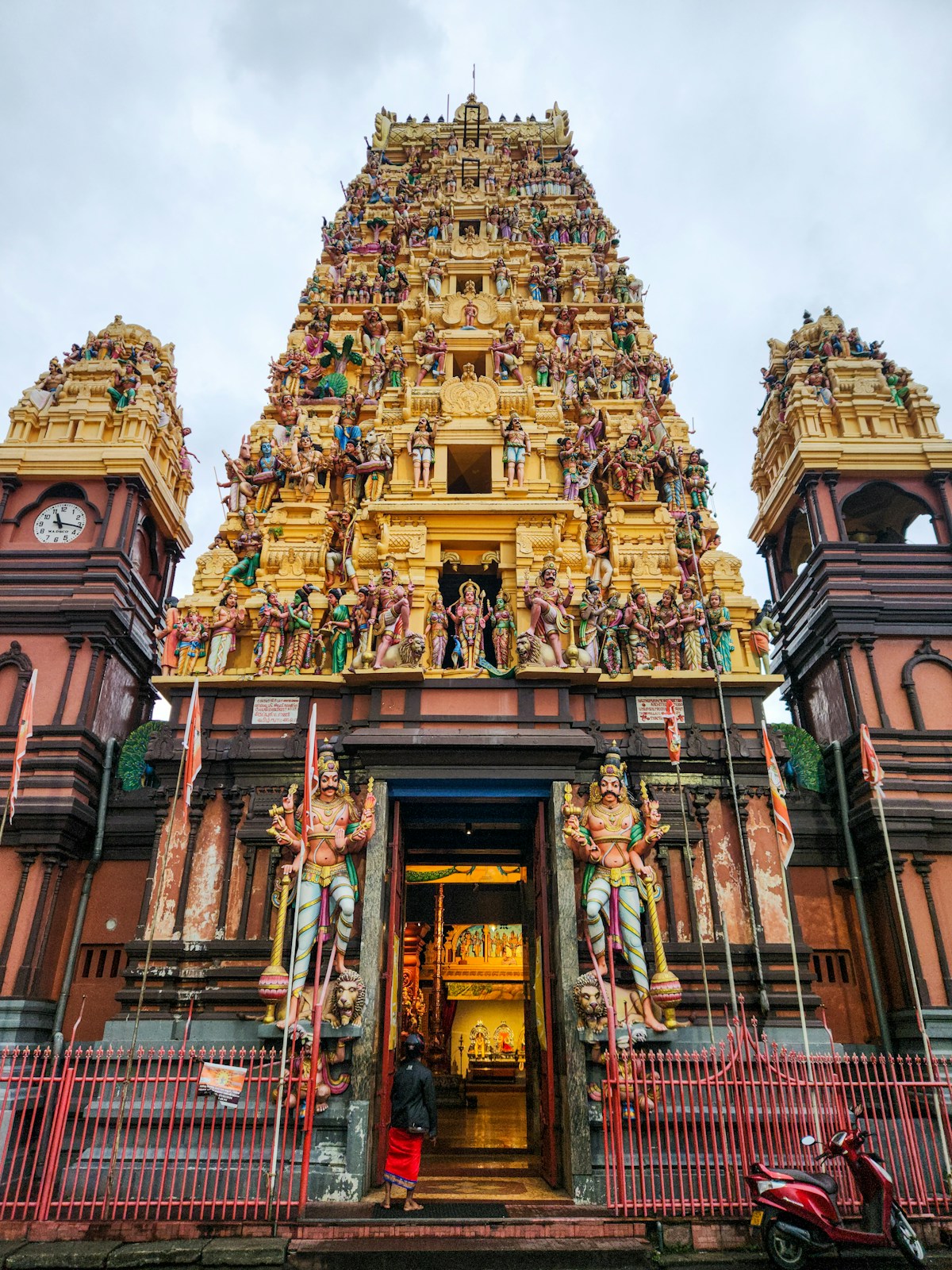
According to the Valmiki Ramayana, the demon king Ravana abducted Sita - wife of Prince Rama - and held her captive in Lanka. Over centuries, Sri Lanka’s landscape has been mapped onto this ancient narrative, with temples, hills, and sacred groves said to mark the places where the drama unfolded. For Indian visitors in particular, following this trail is an act of devotion, history, and discovery. Here is everything you need to plan it.
What is the Ramayana Trail?
The Ramayana Trail is an informal pilgrimage circuit connecting sites across Sri Lanka that tradition associates with the epic poem the Ramayana. These include places where Sita was held captive, where Hanuman landed after crossing the sea from India, where Ravana’s physicians prepared medicines, and where battles were fought and bodies cremated.
The trail is not a single road - it is a loose cluster of locations spread from Colombo in the west to Nuwara Eliya in the hill country, with detours to the south coast. Most visitors cover it as part of a wider Sri Lanka trip, folding the sites into a clockwise or anti-clockwise loop of the island.
Sri Lanka Tourism has formalised the route in recent years, installing signage at key sites and publishing a dedicated map. The Indian market makes up one of the largest shares of arrivals, and Ramayana Trail tourism has grown substantially since 2018.
Key Sites on the Trail
Sita Eliya and Ashok Vatika (Near Nuwara Eliya)
The most visited Ramayana site in Sri Lanka, Sita Eliya sits roughly 3 km from Nuwara Eliya town on the road toward Hakgala Botanical Gardens. The Sita Amman Temple here is said to mark the spot where Ravana kept Sita captive in the grove known as Ashok Vatika. The temple is modest in size but heavily visited by Indian pilgrims, who come to pray at the shrines of Sita, Rama, Lakshmana, and Hanuman beside the Sita River.
Directly across the road, small footprint-shaped depressions in the rock are identified as Sita’s footprints - along with Ravana’s, a mark locals interpret as the place where she stood to pray.
Hakgala Botanical Gardens, immediately adjacent, is itself identified as the Ashok Vatika site in some traditions. The gardens are a worthwhile stop regardless: a beautiful high-altitude garden at around 1,700 m elevation with magnolias, roses, and fern groves.
- Entry fee (as of 2026): Sita Amman Temple - free (donations welcome). Hakgala Botanical Gardens - approximately LKR 1,500 for foreign adults.
- Opening hours: Temple: 6 am to 8 pm daily. Hakgala Gardens: 7:30 am to 5:30 pm.
- From Colombo: Approximately 180 km; 4.5–5 hours by car via the A5 through Kandy and Nuwara Eliya.
Hanuman Temple, Ramboda
On the Kandy–Nuwara Eliya road, perched above the spectacular Ramboda Falls and the Ramboda Pass, stands a relatively new but highly significant Hanuman temple. The cliff location is said to be where Hanuman first landed in Lanka after his miraculous leap from India across the Palk Strait, and where he searched for Sita before eventually locating her in Ashok Vatika.
The drive up to the temple is steep, with panoramic views over the tea estates. The main hall features a large Hanuman murti and is decorated in South Indian temple style. It is one of the most dramatic settings on the entire trail.
- Entry fee (as of 2026): Free (donations encouraged).
- Opening hours: 6 am to 8 pm daily.
- From Kandy: Approximately 50 km; 1.5 hours on the A5 toward Nuwara Eliya.
Kelaniya Raja Maha Viharaya (Near Colombo)
On the outskirts of Colombo, 11 km northeast of the city centre, Kelaniya Temple is one of Sri Lanka’s three most sacred Buddhist temples. Its Ramayana connection is indirect but ancient: according to tradition, this is the site where Vibhishana - Ravana’s virtuous brother who defected to Rama’s side - was crowned ruler of Lanka after Ravana’s defeat.
The temple itself dates from the 3rd century BC and contains exquisite murals depicting scenes from both Buddhist and Ramayana traditions. Even visitors with no specific interest in the Ramayana find it an essential stop near Colombo - the wall paintings alone justify the detour.
- Entry fee (as of 2026): Free (donations welcome). Photography may require a small fee inside.
- Opening hours: 6 am to 11 pm daily.
- From Colombo Fort: Approximately 11 km; 30–40 minutes by tuk-tuk or taxi (roughly LKR 600–900 by metered tuk-tuk).
Munneswaram Temple (Near Chilaw)
Around 80 km north of Colombo on the coast road, Munneswaram is a complex of five temples dedicated to Shiva, Ganesha, Kali, and other deities. According to Ramayana tradition, this is the site where Ravana stopped to worship Shiva during his return to Lanka after abducting Sita - seeking the god’s blessings before the final confrontation with Rama. Some versions also name it as the place where Rama worshipped Shiva to atone for the sin of killing Ravana (a Brahmin king).
The main Shiva temple draws large crowds of both Tamil Hindu worshippers and Sinhala Buddhist visitors, which makes it an unusual example of cross-community reverence.
- Entry fee (as of 2026): Approximately LKR 100–200 (varies by season and puja). Shoes must be left outside.
- Opening hours: 6 am to 1 pm, then 4 pm to 8 pm daily.
- From Colombo: Approximately 80 km north; 2 hours on the A3 coast road or slightly faster via the expressway toward Chilaw.
Rumassala, Galle (Unawatuna Hill)
The headland at Rumassala, just east of Galle Fort near the Unawatuna beach area, is identified in local tradition as a fragment of the Sanjeevani Hill - the Himalayan mountain that Hanuman carried across the sea to bring medicinal herbs to revive Lakshmana after he was struck down in battle. The myth holds that as Hanuman flew back with the entire hill, a piece broke off and fell here, which explains why Rumassala hosts plant species not found elsewhere on the island.
The hill is forested and hosts a small Buddhist temple and Japanese Peace Pagoda at its summit. The walk up is short (around 20–30 minutes) and rewarded with views over the Indian Ocean and the rooftops of Galle.
- Entry fee (as of 2026): Free to walk up. Donations at the temple.
- Opening hours: Dawn to dusk.
- From Galle Fort: Approximately 3 km; 10 minutes by tuk-tuk (around LKR 200).
Doing the Full Circuit
The most efficient loop from Colombo visits sites in this order:
Day 1 - Colombo area: Kelaniya Temple in the morning (half-day), then depart north to Munneswaram (2 hours). Overnight near Chilaw or continue to Negombo.
Day 2 - Hill country: Drive from Colombo toward Kandy, stopping at Ramboda Hanuman Temple en route to Nuwara Eliya. Overnight in Nuwara Eliya.
Day 3 - Sita Eliya: Visit Sita Amman Temple and Hakgala Botanical Gardens in the morning. Afternoon free in Nuwara Eliya or onward toward Ella.
Day 4 - South coast: Drive from hill country to Galle via the southern expressway or scenic coast road. Visit Rumassala in the afternoon. Overnight in Galle or Unawatuna.
Approximate costs for the circuit (per person, budget travel):
- Private car and driver (4 days): approximately USD 160–220 (LKR 48,000–66,000 as of 2026; always confirm rates before booking)
- Budget accommodation (4 nights): USD 15–30 per night per room
- Entry fees across all sites: under USD 10 total
- Meals: USD 5–10 per day eating local restaurants
Search hotels in Sri Lanka on Booking.com
A guided Ramayana Trail tour from Colombo (2–4 days, private car included) starts at approximately USD 150–300 per person depending on group size and accommodation level. Several Colombo-based tour operators specialise in this circuit and provide guides with detailed knowledge of the scriptural connections at each site.
Practical Tips
Dress code: All temple sites require covered shoulders and knees. Carry a light scarf. Shoes must be removed before entering temple sanctuaries - rubber sandals are easier than lace-up shoes on a day with multiple stops.
Photography: Permitted at most sites. At Kelaniya, check with the temple staff before photographing murals. At Sita Amman Temple, respectful photography near shrines is generally fine.
Timing: Early morning visits (before 9 am) at Kelaniya and Munneswaram avoid both the heat and the crowds. Sita Eliya is busiest with Indian group tours around midday.
Combining with other sites: The Dambulla Cave Temple, Sigiriya, and Polonnaruwa lion city are all within reach of the hill country section of the trail, making a 7–10 day Sri Lanka loop practical if you want to combine Ramayana sites with the Cultural Triangle.