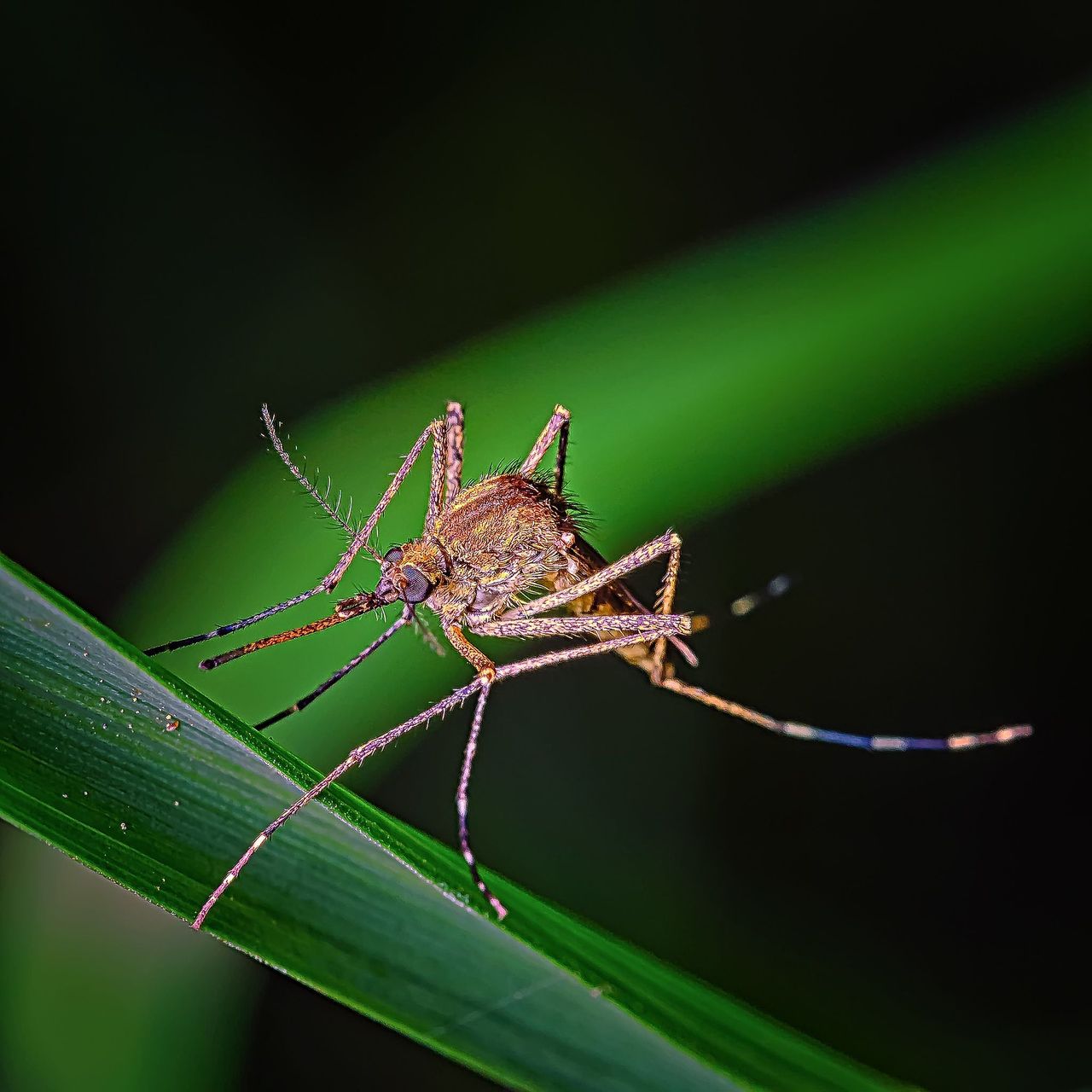
Sri Lankan health authorities inspected more than 70,000 premises on the opening day of a three-day national dengue mosquito control programme that began on 8 June 2026. The campaign comes as the country reports 36,168 dengue cases and 20 deaths so far this year - figures that significantly exceed the same period in 2025.
Dengue fever is endemic in Sri Lanka, but transmission peaks during and after the monsoon rains, when stagnant water provides breeding grounds for the Aedes aegypti mosquito. June to September - the southwest monsoon season in the western, southern and central regions - represents the highest-risk period.
What Travellers Should Know
Risk is real but manageable. Most dengue infections in healthy adults cause a high fever, severe headache, muscle and joint pain, and fatigue lasting five to seven days. A small proportion of cases progress to severe dengue, which requires hospital care. There is no specific antiviral treatment; management focuses on rest and hydration.
Repellent is essential. Use a DEET-based repellent (30%+) on all exposed skin, particularly at dawn and dusk when Aedes mosquitoes are most active. Reapply after swimming or sweating.
Wear protective clothing. Loose, long-sleeved clothing and trousers reduce bite exposure, especially in lower-lying urban areas like Colombo and Galle where Aedes populations are highest.
Accommodation matters. Air-conditioned or well-screened rooms significantly reduce exposure. If sleeping with open windows, use a mosquito net.
Know the symptoms. Fever above 38°C appearing two to seven days after a possible bite, combined with pain behind the eyes or a skin rash, are warning signs. Seek medical attention promptly - dengue test kits are widely available at Sri Lankan hospitals and clinics.
East Coast vs West and South
While dengue risk is elevated across all of Sri Lanka during the monsoon period, the eastern coast - including Arugam Bay, Trincomalee and Batticaloa - is currently in its dry season and historically sees lower dengue transmission during June through September. Travellers sticking to the east coast face lower risk than those visiting Colombo, Kandy, Galle or the Hill Country during the same period.
Before You Travel
Travel insurance that covers medical evacuation and hospitalisation is strongly recommended for Sri Lanka. You can compare cover options directly, and our travel insurance guide for Sri Lanka explains what to look for. For a full overview of health precautions, vaccinations recommended before visiting, and hospital options, see our health and safety guide. If you are planning a monsoon-season visit, our Sri Lanka monsoon guide explains which regions are affected when.