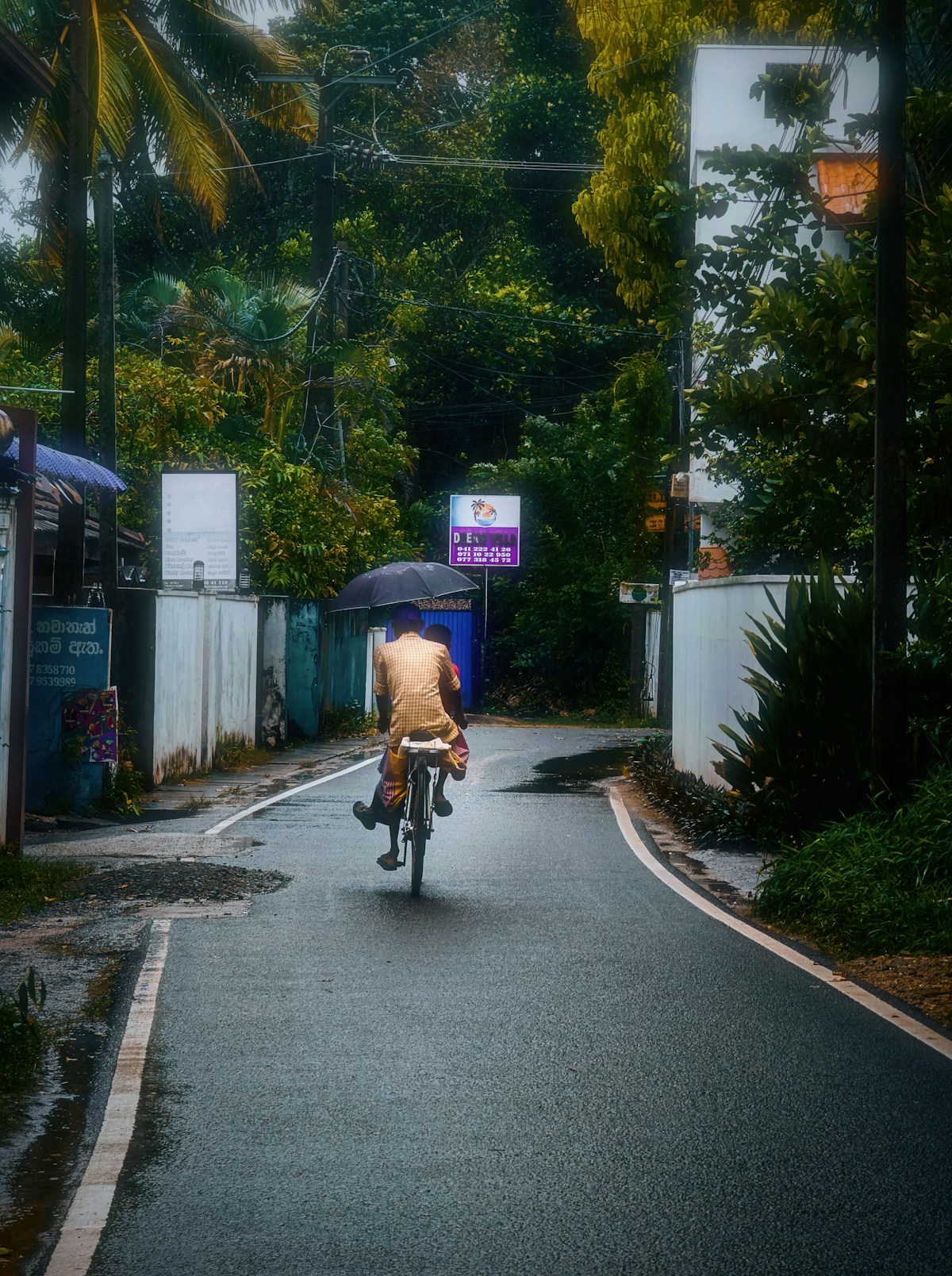
Is there a monsoon in Sri Lanka right now? Almost always on one coast. The southwest monsoon (May to September) soaks the west coast, south coast and hill country, while the northeast monsoon (October to January) rains on the north and east. The opposite side stays dry, so the west and south are best November to April and the east is best May to September.
Sri Lanka has two monsoon seasons, and understanding both is the key to planning any trip. The island sits at the southern tip of India, catching the full force of both the southwest and northeast monsoons - but crucially, the two systems affect opposite sides of the island at different times. This means the rain chases you only if you’re in the wrong region.
The Two Monsoons Explained
Southwest Monsoon (Yala) - May to September
The southwest monsoon arrives from the Indian Ocean and hits the windward side of Sri Lanka hard. The west coast (Colombo, Negombo, Hikkaduwa), the south coast (Galle, Mirissa, Weligama), and the hill country (Kandy, Ella, Nuwara Eliya) take the brunt. Rainfall is heaviest in May, June, and July, with totals reaching 300–500mm in a single month in exposed coastal areas.
The southwest monsoon is the stronger of the two. Sea conditions on the west and south coasts turn rough, with seas of 2–4 metres making swimming unsafe and whale-watching boats grounded from May. This is not light drizzle - it is sustained rain with heavy downpours that last hours. Flooding is possible in low-lying areas around Colombo.
The hill country receives particularly intense rainfall during the southwest monsoon. The central highlands catch orographic rain as moisture-laden air rises over the mountains. Ella and Nuwara Eliya can be shrouded in cloud for days.
One important exception: the eastern side of the island, sheltered by the central mountains, is in its dry season during the southwest monsoon. Trincomalee, Arugam Bay, and Batticaloa enjoy their best weather precisely when the west coast is at its wettest.
Northeast Monsoon (Maha) - October to January
The northeast monsoon arrives from the Bay of Bengal. It brings rain to the north and east coast - Jaffna, Trincomalee, and the Batticaloa district - while the west and south coasts enter their dry season. The northeast monsoon is generally less severe than the southwest, with shorter rain bursts and more sun between showers.
October is a transitional month when both monsoons can overlap - the southwest is withdrawing while the northeast is arriving. This makes October one of the more unpredictable months across the island.
By November, the northeast monsoon is established and the west and south coasts are reliably dry. December and January are peak season on the Galle–Mirissa stretch - calm seas, 28–32°C daytime temperatures, and no meaningful rain.
Month-by-Month: Which Region to Visit
| Month | Best Region | Avoid |
|---|---|---|
| January | West + south coast, hill country | East coast (northeast monsoon still active) |
| February | West + south coast, north (Jaffna), Cultural Triangle | East coast (still wet) |
| March | All regions manageable; south coast best | - |
| April | Cultural Triangle (early), north | Everywhere gets hotter; transition month |
| May | East coast (Arugam Bay opens), Cultural Triangle | West + south coast (SW monsoon starts) |
| June | East coast peak, Arugam Bay | West + south coast, hill country |
| July | East coast peak, Cultural Triangle (morning visits) | West + south coast |
| August | East coast peak, Cultural Triangle | Hill country (wet), west coast |
| September | East coast winding down, Cultural Triangle | West + south coast (still wet) |
| October | Transition - all regions have some risk | East coast (NE monsoon building), hill country |
| November | West + south coast (early dry season), hill country | North + east coast |
| December | West + south coast peak, hill country | East coast |
October is the transition month where both monsoons overlap - conditions are unpredictable and rain is possible across more of the island than any other month. Our Sri Lanka in October guide covers what to realistically expect during the crossover. At the other end of the calendar, February and March offer the most settled dry-season conditions on the west and south coast, with the northeast monsoon withdrawn and the southwest monsoon still weeks away.
Packing for Monsoon Travel in Sri Lanka
If your trip falls during or around a monsoon window, pack differently than you would for a pure dry-season visit.
Essential wet-season additions:
- Lightweight waterproof jacket or poncho (umbrellas are useless in gusty coastal rain)
- Quick-dry clothing only - cotton stays wet for hours in the humidity
- Dry bags or waterproof pouches for electronics, passports, and camera equipment
- Waterproof sandals or chacos rather than canvas shoes that won’t dry overnight
- Microfibre towels - they dry in 30 minutes in a monsoon climate
What not to worry about: Air-conditioned buses and trains run regardless of weather. Most guesthouses and hotels have fans or AC to manage the 27–30°C wet-season heat. Mosquito repellent matters more during and after the monsoon when stagnant water accumulates - dengue risk increases in populated areas post-rain.
Search hotels in Sri Lanka on Booking.com
Practical reality: Monsoon rain in Sri Lanka is usually intense but short. A morning that starts overcast clears by 9am in many areas. Carry the poncho, go out early, and plan indoor activities (cooking classes, museum visits, Ayurveda sessions) for afternoons. Browse Sri Lanka tours available during monsoon - guided cooking classes, temple tours, and Cultural Triangle day trips all run year-round regardless of which coast is wet.
How the Monsoon Affects Diving
Sri Lanka has some of the Indian Ocean’s best diving, but the two monsoons divide the dive sites geographically.
West and south coast diving (Colombo, Hikkaduwa, Mirissa, Unawatuna, Weligama): Open season is November to April, when the southwest monsoon is not active. During this window, visibility reaches 15–25 metres, seas are calm, and whale sharks occasionally pass the south coast. From May to September, the southwest monsoon makes these sites unsafe - surge, reduced visibility (often under 5 metres), and dangerous surface conditions for dive boats.
East coast diving (Trincomalee, Pigeon Island, Batticaloa): The east coast dive season runs April to October, coinciding exactly with the southwest monsoon that closes the west coast. Trincomalee and Pigeon Island are best June to September. Pigeon Island is one of the few easily accessible reef dive sites in Sri Lanka with consistent coral health. Visibility typically reaches 15–20 metres during the peak east coast season.
Diving during both monsoons: There is no month when you cannot dive somewhere in Sri Lanka. The trick is pairing your dive destination with the correct dry-season window.
How the Monsoon Affects Surfing
Sri Lanka’s two surf seasons follow the monsoon pattern almost exactly.
East coast (Arugam Bay, Pottuvil Point, Whisky Point): The southwest monsoon generates the swells that power the east coast. Season runs May to October, peaking June–August. Arugam Bay’s main break produces consistent 1.5–2.5m waves in July and August. The northeast monsoon closes the east coast season - by November, the sea is flat and most surf camps shut down.
West and south coast (Weligama, Hikkaduwa, Mirissa Point): These breaks fire during the northeast monsoon dry season, November to April. Weligama Bay is the best learn-to-surf spot in Sri Lanka - long, gentle waves suitable for beginners. Hikkaduwa’s reef break works better for intermediate and advanced surfers.
The monsoon surf window is a feature, not a bug. The swells that make surfing possible are produced by the same weather systems that bring rain. The practical reality is that surf days often start overcast with showers, clearing by mid-morning - surfers on the east coast during peak season rarely lose full days to rain.
How the Monsoon Affects Hiking and Trekking
Adam’s Peak (Sri Pada): The pilgrimage season runs December to April, aligned with the dry season on the southwest-facing mountain. Climbing outside this window is possible but the trail is slippery in wet conditions and cloud coverage means no sunrise view. Most guesthouses in Dalhousie (the trailhead village) close from May to October.
Horton Plains and World’s End: Best December to April for clear views from the escarpment. During the southwest monsoon (May–September), cloud rolls in from the west by 9am most days - arrive before 7am or accept that the famous 880-metre drop will be invisible. The path becomes muddy but not impassable during the wet season.
Knuckles Range: A more rugged trekking zone northeast of Kandy. Because of its sheltered position, the Knuckles receives a different rainfall pattern than the main hill country - some parts are dry when the southwest monsoon is active. The range is accessible year-round for fit trekkers, though June and July bring the highest rainfall here.
Ella Rock and Little Adam’s Peak: These are accessible year-round. The trails are well-worn and the climbs are short enough (2–4 hours) to time around morning clear windows even in the wet season. Budget guesthouses in Ella stay open all year regardless of monsoon - Ella is one of the few destinations in the hill country that remains popular with travellers year-round.
Planning Around the 2026 Monsoon Calendar
The monsoon calendar does not change year to year by more than a week or two. For 2026 planning purposes, use these windows:
- Southwest monsoon onset: typically mid-May (west coast) - can arrive as early as May 10 or as late as June 5
- Southwest monsoon withdrawal: typically mid-October in the north, late October in the south
- Northeast monsoon onset: typically late October to early November
- Northeast monsoon withdrawal: typically January to February
The practical implication: a trip starting November 1 is very likely to catch dry weather on the west and south coast, but the first two weeks of November are a soft start - some lingering northeast monsoon rain is possible on the north coast. December 1 is a safer start date if predictability matters.
Search flights to Sri Lanka - booking within a confirmed dry window (December–March for the west coast, June–August for the east coast) is the single most effective way to guarantee settled weather.
For real-time monsoon tracking during your trip, the Sri Lanka Meteorological Department publishes 7-day forecasts at meteo.gov.lk.
Travel Insurance for Monsoon Travel
Sri Lanka’s dual-monsoon system creates two risks that catch travellers without cover. First, flight delays: Colombo (BIA) rarely closes, but connecting routes through Chennai or Mumbai can be disrupted during peak southwest monsoon months (June–July), and Bay of Bengal cyclones occasionally affect northeast India hubs. Second, activity cancellation: whale-watching and snorkelling boats on the west coast ground from May to September when seas run rough - a confirmed trip item with no refund otherwise means a dead day in the itinerary.
Travel insurance covering trip interruption and activity cancellation is worth taking for any Sri Lanka trip, but especially during shoulder months - April, May, October, November - when conditions are least predictable. Compare travel insurance for Sri Lanka.
See also: Best Time to Visit Sri Lanka | Surfing in Sri Lanka | Sri Lanka Packing List