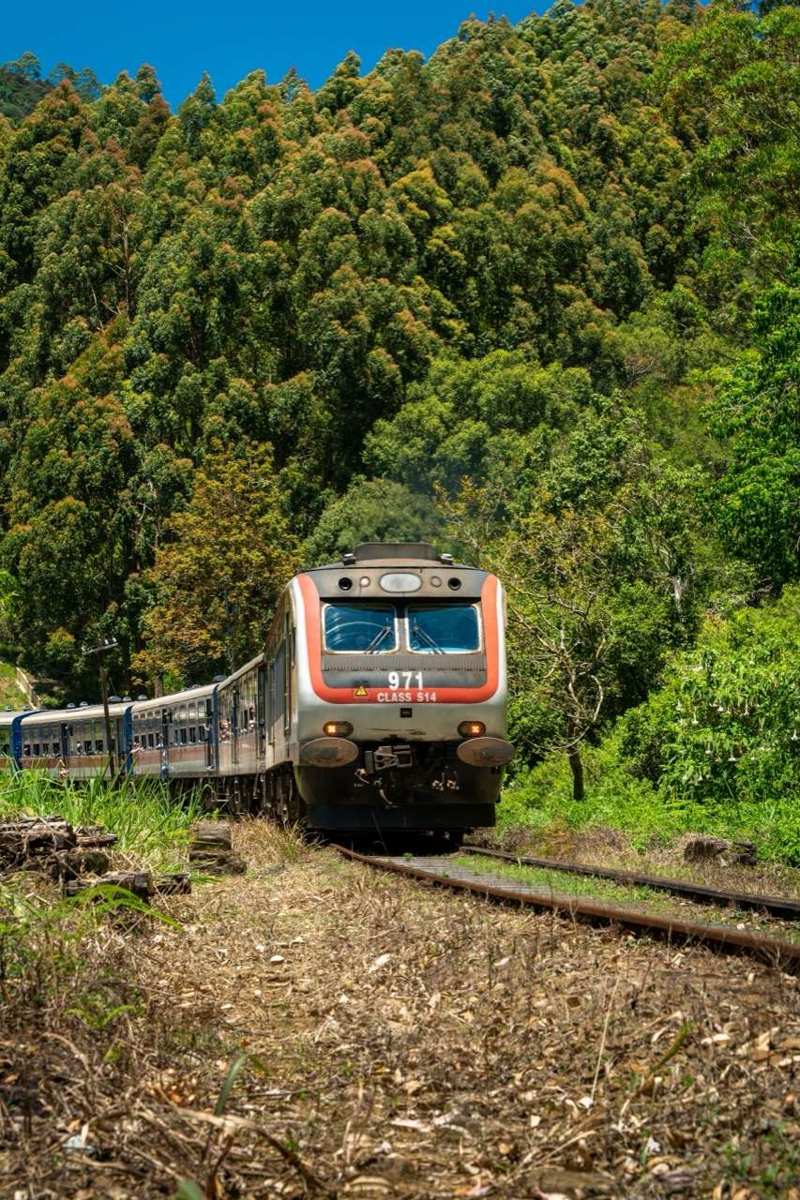
Sri Lanka Railways restored passenger services between Nanu Oya and Badulla on 20 June 2026, ending a lengthy disruption caused by a landslide triggered by Cyclone Ditwah. The section between Nanu Oya and Ambewela - a high-altitude stretch that passes through some of the most dramatic scenery on the line - sustained severe damage to the track bed, requiring restoration work by the National Building Research Organisation alongside private contractors. A successful trial run completed on 17 June confirmed the line’s readiness.
The reopening is significant for travellers because this route is one of the most celebrated train journeys in Asia. Trains depart Colombo Fort, stop at Kandy, then climb steeply through tea estates to Nanu Oya (the station for Nuwara Eliya), before winding through Haputale, Bandarawela, Ella, and finally Badulla. The section that was closed - between Nanu Oya and Ambewela - is precisely the stretch where the line reaches its highest elevation and the views of cloud-covered peaks and terraced plantations are at their most striking.
During the closure, travellers on the Colombo–Badulla service either had to disembark at Nanu Oya and arrange road transport for the gap, or skip the southern hill country entirely. That limitation is now lifted.
Full through-services are expected to operate from the date of reopening. Seat reservations on the observation car and second-class services are available at Colombo Fort and online through the Sri Lanka Railways booking portal. For the most scenic stretch of the journey, reserved seats on the Kandy to Ella section can also be secured through tour operators when direct booking is closed. Demand on this route is high, particularly on weekends, so booking at least two to three days ahead is advisable.
For practical details on timings, fares, and the full route from Colombo to Badulla, our getting around Sri Lanka guide covers the hill country train line alongside buses, tuk-tuks, and private car hire. Our Sri Lanka in June page also explains current conditions across the island - including the southwest monsoon affecting Colombo and Galle while the east coast remains dry.
Related guides: Sri Lanka Train Routes.