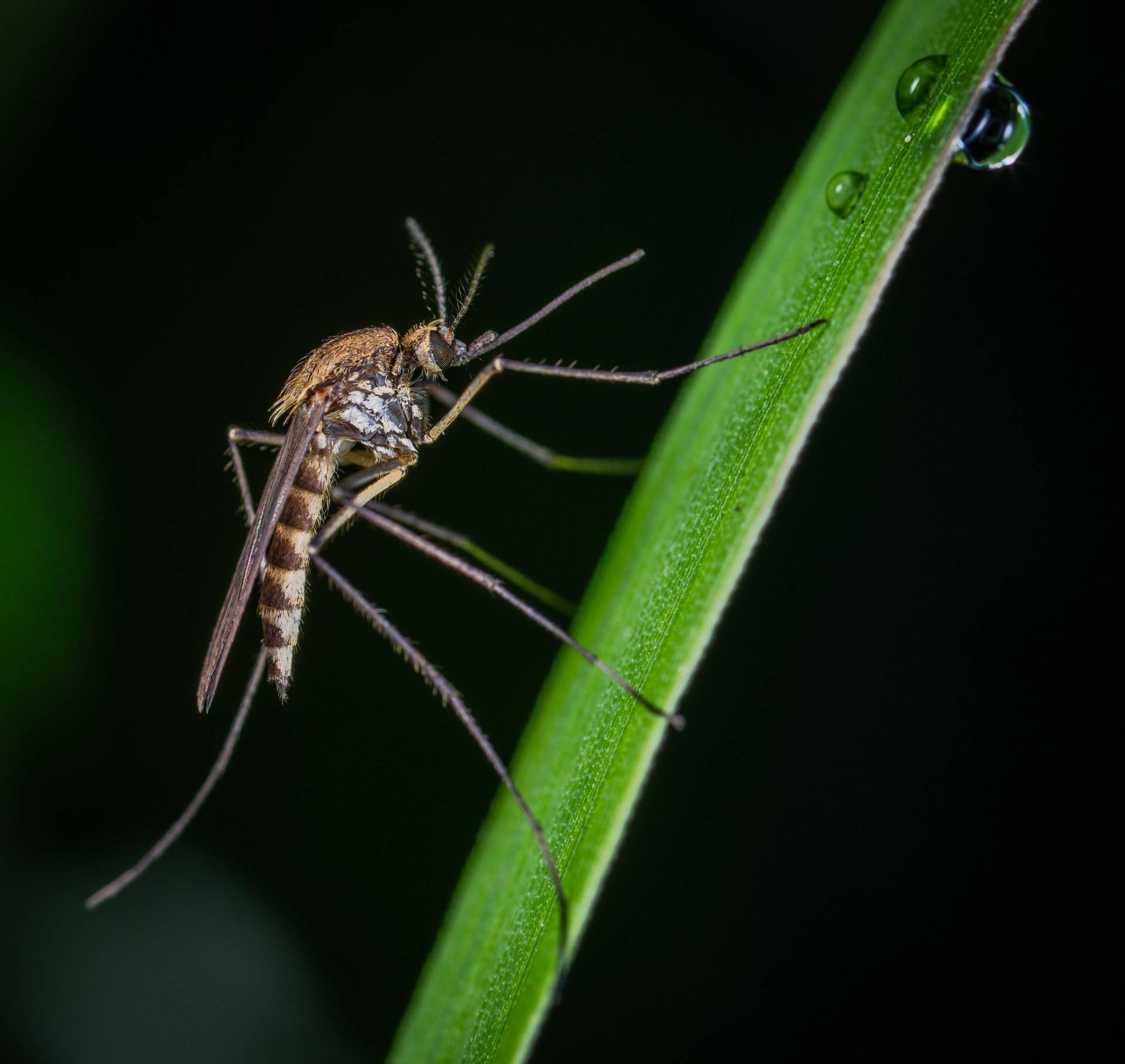
Sri Lanka is experiencing one of its most severe dengue seasons on record. By the end of July 2026, the Ministry of Health reported over 81,000 confirmed dengue cases and 61 deaths across the island - a significant increase on the same period in 2025. The International Federation of Red Cross and Red Crescent Societies (IFRC) activated a Disaster Response Emergency Fund (DREF) operation in late July to support the Sri Lanka Red Cross response.
Which Areas Are Most Affected
The Western Province - which includes Colombo and the surrounding urban belt - accounts for the largest share of cases, consistent with the pattern in previous years. Dengue is an urban mosquito-borne disease that concentrates wherever stagnant water accumulates in populated areas: roof gutters, construction sites, tyres, and water containers.
The North Western Province (Kurunegala, Puttalam) and Gampaha District are also reporting elevated case counts. Dengue risk is present island-wide but highest in and around major cities.
What Travellers Should Know
This does not mean you should cancel your trip. Dengue is a risk throughout South and Southeast Asia year-round, and Sri Lanka is a regular destination for hundreds of thousands of travellers without incident. The current outbreak does, however, mean you should take mosquito bite prevention seriously.
Practical steps:
- Use DEET-based repellent (50% concentration or above) on all exposed skin, day and night - dengue mosquitoes (Aedes aegypti) bite primarily during the day
- Wear long sleeves and long trousers in the early morning and late afternoon
- Choose accommodation with screened windows or strong air-conditioning
- Report any symptoms - high fever, severe headache, joint pain, rash - to a doctor promptly; dengue diagnosed early is very manageable
There is no licensed dengue vaccine available to travellers in most countries. Consult your travel health clinic before departure.
Resources
Our Colombo guide notes the best areas to stay in the city, many of which are in well-maintained hotels that reduce mosquito exposure significantly. Our health and safety page covers vaccinations and medical facilities across the island.
The IFRC operation is supporting vector control, community awareness, and treatment capacity over a 6-month period through January 2027. Given the scale of this outbreak, travel insurance for Sri Lanka covering medical expenses and repatriation is more important than ever for 2026 visitors.