March extends Sri Lanka’s dry season on the west and south coasts while temperatures climb toward their annual peak. It is the last reliably dry month before the southwest monsoon arrives in May, and the east coast begins to stir after its monsoon shutdown. A good month for visitors who want warm conditions with slightly fewer crowds than January-February.
Peak Heat Builds: Pre-Monsoon Warmth, East Coast Reopening
Coastal temperatures reach 30–34°C - March is one of the hottest months in the lowlands. Humidity increases noticeably from February, sitting around 75–80%. The south and west coasts remain dry, though occasional pre-monsoon thunderstorms can appear in late March, usually brief and in the afternoon.
The east coast is emerging from the northeast monsoon. Early March can still see residual rain around Trincomalee and Batticaloa, but conditions improve steadily. By late March, the east coast is transitioning to its dry season. Arugam Bay begins to open - some guesthouses reopen and the first surfers arrive, though consistent swell does not establish until April-May.
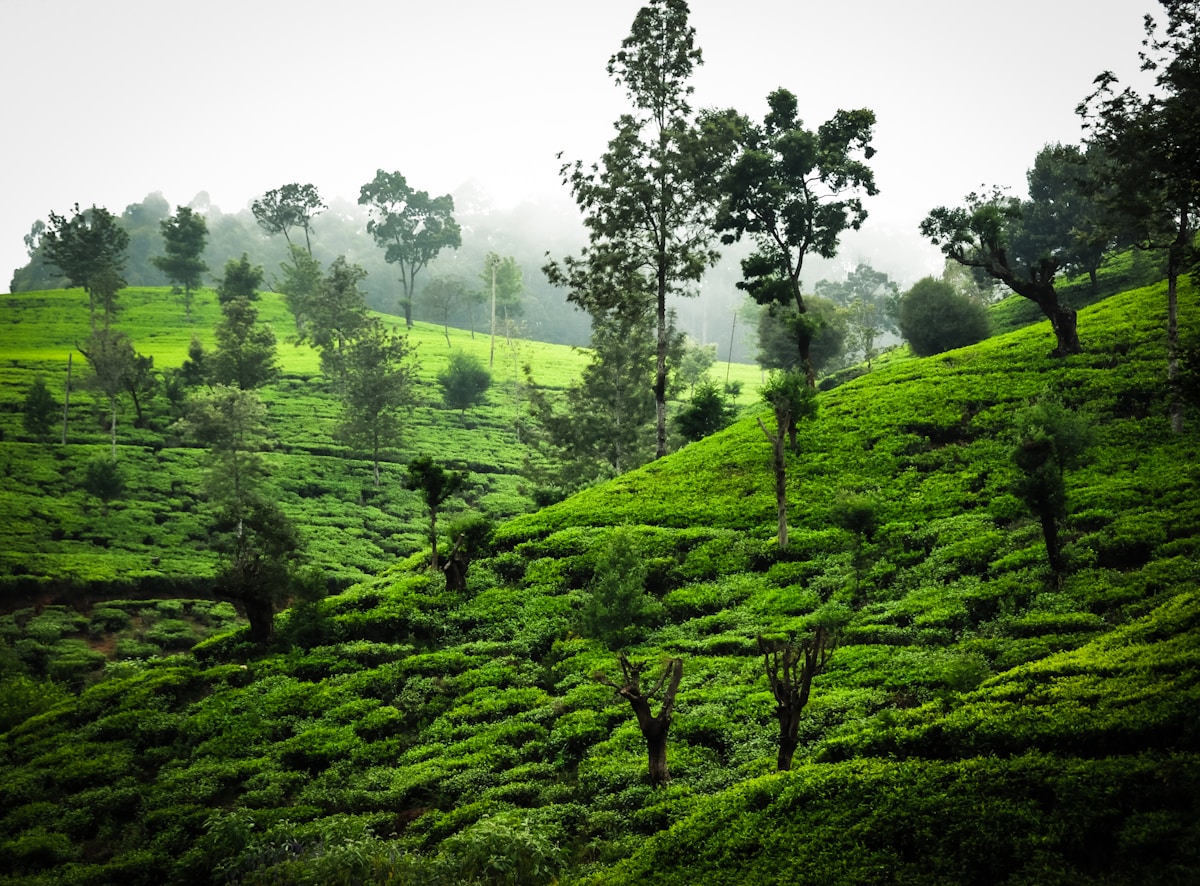
The Hill Country is warm for its elevation: 18–25°C during the day in Ella, 14–20°C in Nuwara Eliya. Mornings are clear; afternoon cloud cover is common but rain is infrequent. Tea estates are approaching the first flush season (March-April), when new growth produces the most prized tea leaves.
Medin Poya and the First-Flush Tea Harvest Begins
March’s full moon Poya day is Medin Poya, commemorating the Buddha’s first visit to his father after attaining enlightenment. Temples across the country hold special services and illuminate their grounds. It is a public holiday - government offices close, but tourist sites and transport operate normally.
Maha Shivaratri occasionally falls in late February or early March (dates follow the Hindu lunar calendar). This is the most important Hindu festival in Sri Lanka, observed at Shiva temples across the north and east, particularly at Munneswaram and Koneswaram in Trincomalee. Night-long vigils, fasting, and special puja ceremonies take place.
Whale Season Closing: Book Mirissa Before the April Cutoff
Whale watching at Mirissa continues through March with strong sighting rates for blue whales and sperm whales. The season runs through April, so March is the second half of the prime window. Operators report slightly lower traffic than January-February, meaning boats are less crowded on the water. See our best tours in Sri Lanka guide, then Book a March tour in Sri Lanka - Yala safaris are particularly good value in March as Yala reaches peak dry-season conditions.
Yala National Park reaches excellent dry-season form in March. Vegetation thins further as water recedes, and leopard sighting rates are among the best of the year. The park can be hot - jeep safaris at the 5:30am opening slot are far more productive than afternoon drives. Elephants, sloth bears, and crocodiles are all regularly spotted.
Sinharaja Rainforest, a UNESCO World Heritage Site in the southwest, is accessible in March before the monsoon rains make trails muddy. This is one of the best months for the mixed-species bird flocks that Sinharaja is known for - endemic species like the Sri Lanka blue magpie, red-faced malkoha, and green-billed coucal are present year-round.
West Coast Wrapping Up, Arugam Bay Opening for the First Surfers
South coast surf spots remain in season. Hikkaduwa and Midigama produce consistent waves, and Weligama continues to be the best beginner spot. March is the tail end of the south coast season - conditions are still good but the swell direction begins to shift. Water temperature is 28–29°C.
The east coast surf season has not yet started. Arugam Bay may see some rideable waves in late March, but the consistent point breaks that define the location do not fire reliably until May.
First Flush Season: March Tea Harvest Produces the Year’s Best Leaves
March-April marks the start of the first flush in Sri Lanka’s central highlands. This is when tea bushes produce new growth after the drier months, yielding lighter, more delicate leaves. Factories around Nuwara Eliya, Haputale, and the Dimbula region are at their busiest. Visitors to estates like Pedro Tea Factory or Mackwoods Labookellie can see high-volume processing and taste seasonal teas.
The Kandy-to-Ella train remains excellent in March. Book reserved seats ahead - demand stays high through to April.
Shoulder Season Begins: Prices Start Easing from Late March Onward
March sits in the shoulder between peak season (December-February) and the monsoon downturn (May-September). Hotel rates on the south coast are 15–25% below January prices, and availability improves. The Cultural Triangle and Hill Country are noticeably quieter. March is a strong value month - good weather at reduced cost.
Getting Around and What It Costs
Transport logistics in March are straightforward - the dry weather means no washed-out roads or flood delays. Colombo to Mirissa by express bus takes approximately 3.5 hours and costs around LKR 250–350 (under $1). A private taxi covers the same route in about 3 hours for LKR 6,000–8,000, worthwhile if you are a group of three or more splitting the cost.
The Kandy-to-Ella train is the most scenic leg of any March itinerary. Book second-class reserved seats in advance (around LKR 1,100 per person); the open-door observation carriages fill quickly in March as international visitor numbers are still solid. The full journey takes approximately 7 hours and passes through the tea country at its most photogenic - first-flush harvest in full swing.
Entry fees to factor in: Sigiriya Rock costs $35 per person (cash or card at the gate). Yala National Park requires a park permit of approximately $15 per person plus a mandatory jeep hire of roughly LKR 7,000–9,000 for a half-day safari from Tissamaharama. Whale watching at Mirissa runs $40–50 per person for a 4–5 hour trip departing at 6:30am.
For accommodation, the Mirissa area offers a good spread in March. Stacked guesthouses along the beach road charge $20–35 per night, while boutique hillside options like Mirissa Hills sit at $80–120. In Galle Fort, properties like The Fort Printers and Galle Fort Hotel fill quickly on weekends - mid-week stays are more available and often 15% cheaper. For the Cultural Triangle base, Habarana makes a practical hub: Cinnamon Lodge sits at the upper end, while smaller guesthouses in the village run $25–45.
Where to Focus in March
The classic west-south circuit still works well: Colombo, Sigiriya, Kandy, train to Ella, Yala, Mirissa, Galle. Add Sinharaja for rainforest trekking or Udawalawe for elephant herds. The east coast is not yet reliable enough to build an itinerary around.
See the best time to visit Sri Lanka for a full seasonal comparison.
Plan Your Trip
March is the last reliably dry month on the south coast before the southwest monsoon arrives in May. The Kandy-to-Ella train is excellent this month - first-flush tea harvest is underway and the highlands are at their most photogenic; book reserved seats ahead. For wildlife, Yala National Park is in excellent dry-season form with strong leopard sighting probability, and Sinharaja Rainforest is accessible before monsoon rains make trails muddy. Late March is the time to consider Arugam Bay on the east coast - guesthouses are reopening and prices are at their lowest before surf season. Hotel rates on the south coast at Mirissa and Nuwara Eliya are 15–25% below January.
Flights to Sri Lanka, travel insurance, and an eSIM. Search Booking.com - south coast availability is better than January-February.