September is a transition month. The southwest monsoon is weakening but not yet finished, the east coast holds on to its dry season for a few more weeks, and the island sits in a quiet lull before the high season returns in November. For travellers who prefer fewer crowds and lower prices, September offers genuine value - provided you plan around the weather patterns.
Monsoon Easing: West Coast Drying Out Through the Month
The southwest monsoon eases noticeably through September. Colombo and the west coast still receive rain, but downpours become less frequent and less intense compared to July and August. Late September often sees several consecutive dry days along the western seaboard. Humidity remains high at 75–80%.
The east coast - Arugam Bay, Trincomalee, Passikudah - is still in its dry season, though the tail end is approaching. Daytime temperatures sit around 30–32°C. Surf conditions at Arugam Bay remain good, and the crowds thin out compared to the July–August peak.
The Hill Country is at its wettest overlap in September, receiving moisture from both the southwest monsoon remnants and early inter-monsoon convection. Ella and Nuwara Eliya can be cloudy and rainy, but mornings frequently open clear before weather builds. Temperatures range from 13–21°C. The Kandy-to-Ella train is still enjoyable - pack waterproofs and travel early for the best visibility.
Binara Poya: Quiet on the Festival Calendar After the Perahera Season
September’s full moon Poya day is Binara Poya, which marks the establishment of the Bhikkhuni order (the order of Buddhist nuns). Temples hold observances, and it is a public holiday. September is otherwise a quiet month on the festival calendar - the major celebrations of July–August (Esala Perahera, Nallur, Kataragama) have concluded, and the Hindu festival cycle picks up again in October with Deepavali.
East Coast’s Last Good Month: Arugam Bay Winding Down Through September
Arugam Bay is still producing good waves in September. The consistent southerly swells that define the east coast season continue, though they begin to lose strength toward month’s end. Main Point and Pottuvil Point are rideable throughout September. The atmosphere in town is more relaxed than July–August - accommodation is easier to find and line-ups are less crowded. Browse Sri Lanka tours for September - this is one of the best-value months to book guided safaris and cultural trips before the December price surge.
The south coast (Hikkaduwa, Weligama, Mirissa) remains out of season. The first rideable swells on the south coast typically return in late October or November.
Udawalawe Elephants Year-Round; Yala Sightings Ease as Rains Return
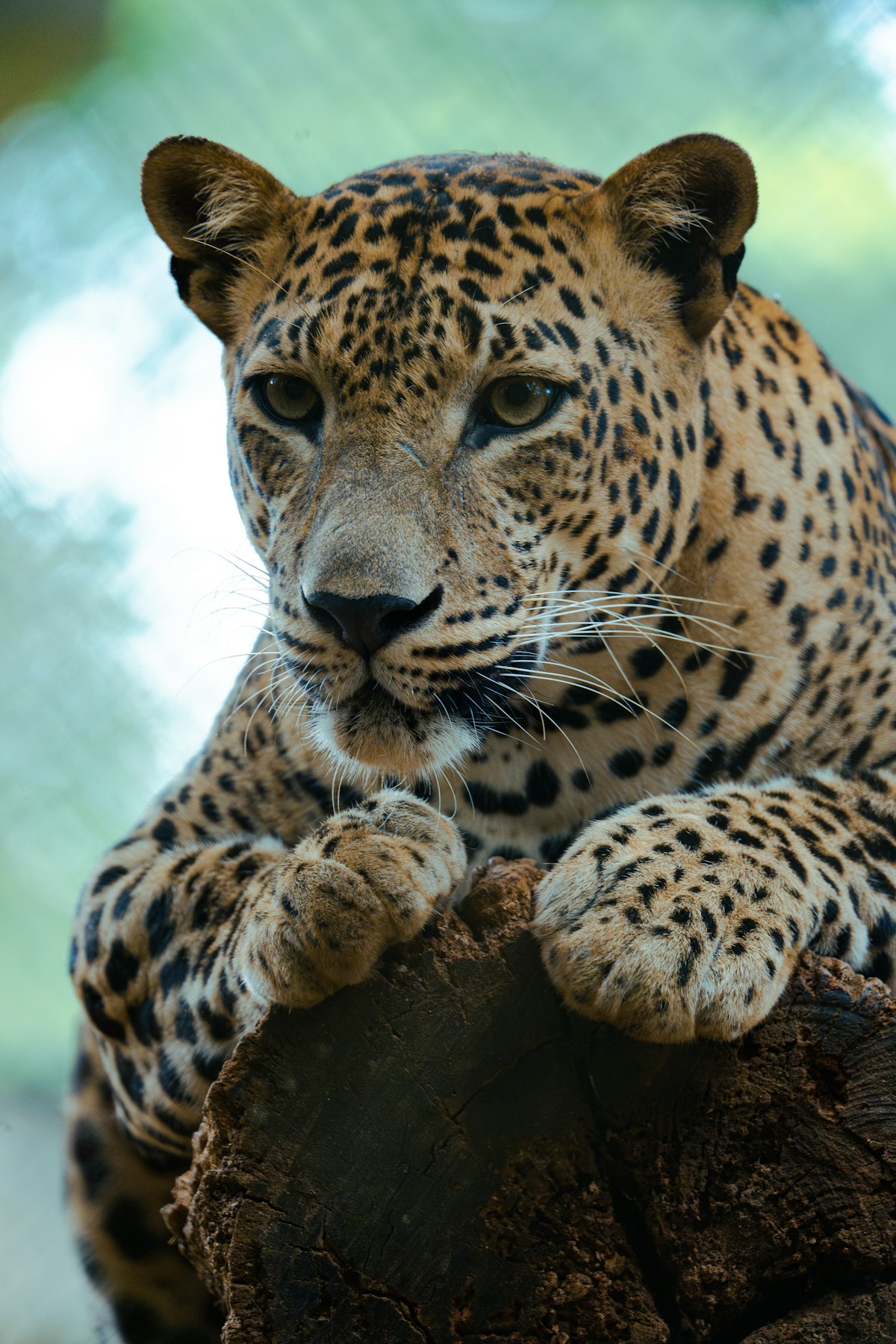
Yala National Park is open in September, though it enters a period of increased water availability as inter-monsoon rains begin. Animals disperse more widely, making leopard sightings less predictable than in the drier February–June window. Udawalawe continues to deliver reliable elephant encounters regardless of season.
Whale watching at Mirissa does not operate in September. The blue whale season begins in November at the earliest, with December through April offering the most reliable sightings.
Birdwatching is productive in September. Migratory species begin arriving from the northern hemisphere, and wetland sites like Bundala National Park and Kumana see an increase in wader populations. September is the start of the migratory bird season that runs through March.
Wet Hill Country: Low Crowds and Budget Prices in Ella and Haputale
The tea plantations are lush and green, with the inter-monsoon rains promoting new growth. Factory visits at estates near Haputale, Ella, and Nuwara Eliya operate as normal. The dampness keeps tourist numbers low in the hills - expect shorter queues at popular viewpoints like Lipton’s Seat and Little Adam’s Peak. Mornings are the best window for walks; afternoon rain is common.
Temple Etiquette
September’s quieter tourism calendar makes it a good time for temple visits without large tour groups. At all Buddhist temples, remove shoes and hats before entering. Shoulders and knees must be covered - carry a sarong or light scarf. Photography is generally permitted in temple grounds but not inside image houses (shrines containing Buddha statues). Never pose with your back to a Buddha statue for photos, and never point your feet toward a Buddha image when sitting.
Lowest Prices of the Year: Sri Lanka at Its Most Affordable in September
September is one of the cheapest months to visit Sri Lanka. West and south coast hotels maintain their low-season rates, and even the east coast drops from its July–August peak. The Cultural Triangle is quiet and affordable. Flights to Colombo are often at their lowest annual price in September.
This is a strong month for budget travellers willing to accept some weather unpredictability in exchange for significant savings across accommodation, transport, and activities.
What to Budget for September
September is one of the most cost-effective months in Sri Lanka. Arugam Bay accommodation drops from July-August peaks: guesthouses near Main Point charge $20–35 per night for double rooms, down from $45–70 in peak season. Several surf camps often have availability without pre-booking. Surf lessons cost $15–20 per hour in September as instructors compete for the smaller visitor pool.
Safari parks: Yala National Park charges approximately $15 per person for the entrance permit, with jeep hire from Tissamaharama running LKR 6,000–9,000 per half-day. Udawalawe is slightly cheaper on jeep hire (LKR 5,000–7,500) with similar permit costs. Udawalawe’s elephant sightings are more reliable in September - the park has a consistent elephant population year-round, while Yala’s leopard sightings become less predictable as water sources recover and animals spread out. If you can only do one safari in September, Udawalawe offers better value.
Bundala National Park near Hambantota is excellent for birdwatchers in September. Entry costs approximately $15 per person. The park sees fewer visitors than Yala, and jeep hire is cheaper - around LKR 4,000–5,500. Greater flamingos, painted storks, and pelicans are regularly seen at the lagoons in September.
Transport from Arugam Bay back to Colombo for end-of-trip logistics: the cheapest option is the overnight bus from Pottuvil to Colombo (approximately 9–10 hours, LKR 900–1,100). Alternatively, a shared minivan to Colombo via Kandy is bookable through guesthouses for around $25–35 per person. Flying from Colombo is worth considering for the return leg if onward connections are tight - Sri Lanka domestically has limited internal flights, but international departures from BIA are straightforward.
Where to Focus in September
The best September route targets the east coast (Arugam Bay for surf, Trincomalee for beaches), the Cultural Triangle (Sigiriya, Polonnaruwa), and the Hill Country if you are comfortable with rain. Late September is increasingly viable for the south coast as conditions improve, but November is more reliable.
See the best time to visit Sri Lanka for a full seasonal comparison.
Plan Your Trip
September offers the east coast at its best value - Arugam Bay conditions are still excellent, guesthouse rates are 30–40% below July-August, and the island is quieter. For safaris, Udawalawe is the stronger September pick over Yala: elephant herds are reliable year-round while Yala’s leopard sightings become less predictable as water sources recover after the monsoon. The birdwatching season opens at Bundala National Park near Hambantota - greater flamingos and painted storks begin arriving from September and the park has almost no crowds. Trincomalee is still in its dry season in early September. Ella and Colombo work as connecting stops. Late September sees the south coast improving; November is more reliable for beach time.
Book flights to Sri Lanka well ahead for the December-January high season if that’s your plan. Travel insurance, and an eSIM. Search Booking.com - September has the lowest east coast rates before the long monsoon shutdown.