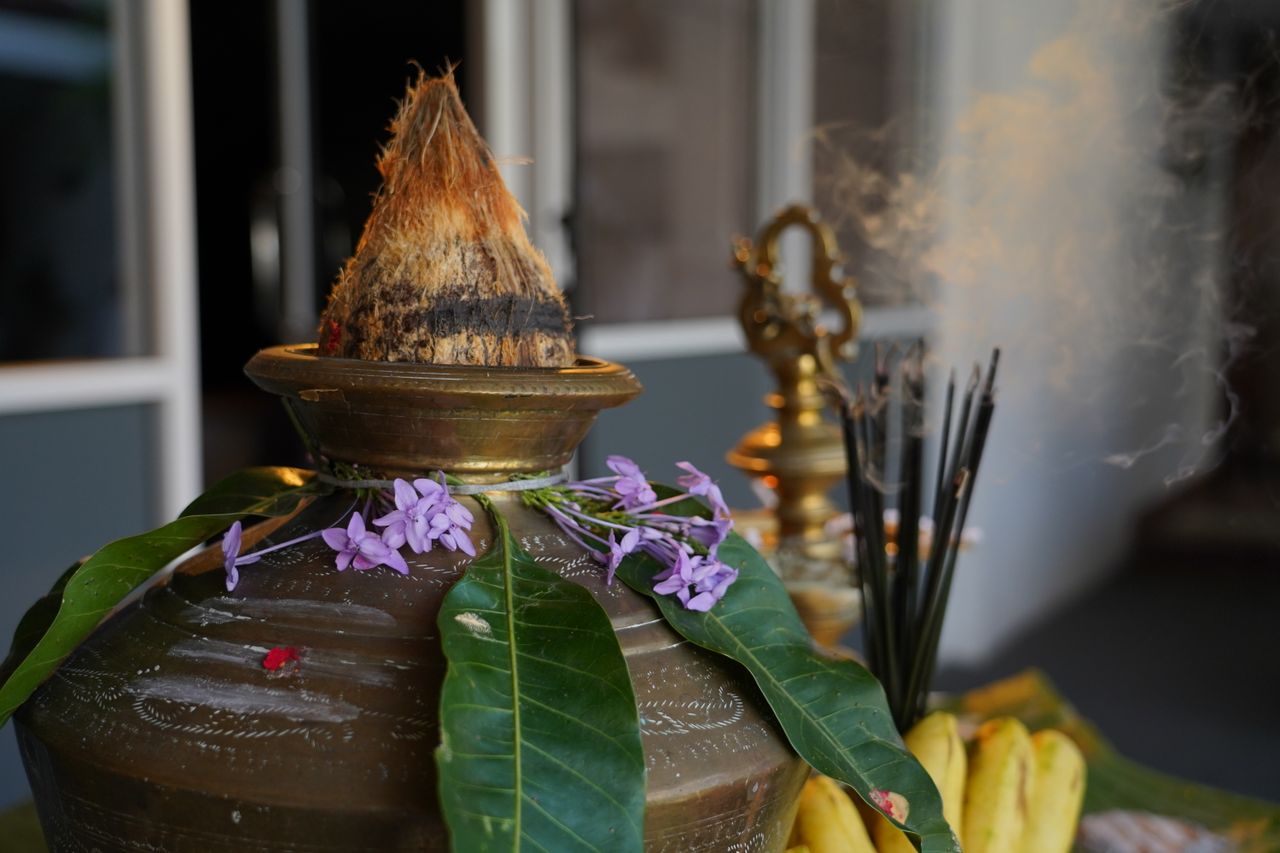
Thai Pongal is the most important annual celebration in Sri Lankan Tamil culture. It is a four-day harvest festival of thanksgiving, observed in January across Tamil-majority communities in Jaffna, Batticaloa, Trincomalee, and parts of Colombo. It is also a national public holiday. For a traveller who happens to be in Sri Lanka’s north or east in mid-January, Pongal provides an accessible and genuinely warm cultural encounter.
What Thai Pongal Is
Pongal is a Tamil harvest festival with roots in agricultural thanksgiving. The name comes from the Tamil word meaning to overflow or boil over, and the ritual act of cooking pongal rice in a clay pot until it boils over the rim is the symbolic centrepiece of the celebration: abundance spilling out, a good omen for the year ahead.
The festival marks the sun’s entry into Capricorn (Makara Rasi) in the Hindu solar calendar, which signals the start of Uttarayan, the sun’s northward journey. This astronomical transition has been celebrated across South Asia for over a thousand years and remains one of the most widely observed Hindu festivals in the world.
In Sri Lanka, it is celebrated by the Sri Lankan Tamil community, which makes up approximately 11 percent of the population, concentrated in the north (Jaffna, Kilinochchi, Mannar), east (Batticaloa, Trincomalee), and Colombo’s urban areas.
The Four Days of Pongal
Day 1: Bhogi Pongal The festival opens with a clearing out. Old household items, worn-out clothing, and broken objects are gathered and burned in a bonfire, symbolising a break from the past. It is a day of renewal and preparation.
Day 2: Thai Pongal (the main day) The central ritual: fresh sugarcane is tied to the doorway of the home. In the courtyard or in front of the house, a clay pot is set up over a small fire. Raw rice, jaggery, and milk are cooked together in the pot, and the moment it boils over the rim, those gathered call out “Pongalo Pongal!” in celebration. Sun symbols are drawn in kolam (rice powder designs) on the ground. New clothes are worn. Temple visits take place in the morning.
The pongal rice is offered to the sun, then shared among family members and neighbours. Sugarcane, coconut, bananas, and other fruits are part of the offering.
Day 3: Mattu Pongal The third day honours cattle, which have been central to the agricultural work of the harvest. In rural areas, cattle are bathed, their horns painted, and garlands placed around their necks. In cities and towns, the tradition is observed symbolically. Kolam is renewed, and family visits continue.
Day 4: Kaanum Pongal A day for family outings and social gathering. Younger family members traditionally pay their respects to elders and receive blessings. In Sri Lanka, Kaanum Pongal is often spent at temples, beaches, or parks. In Jaffna, this day has a social, relaxed character.
Where to Experience Pongal in Sri Lanka
Jaffna: the most visible and culturally complete experience of Pongal in Sri Lanka is in Jaffna. The city’s streets are decorated with kolam drawn on pavements and in courtyards. Sugarcane is sold at every market and tied to doorways across residential neighbourhoods. The Nallur Kandaswamy Kovil, one of the most important Hindu temples in Sri Lanka, holds puja ceremonies. The atmosphere across the four days is warm, open, and genuinely festive.
Visiting Jaffna during Pongal is one of the most rewarding cultural experiences in Sri Lanka. The city’s restaurant scene, the fort, the Dutch colonial architecture, and the Nallur temple are all worth time. See the Jaffna travel guide for accommodation and what to see.
Colombo: Sri Lankan Tamil communities in Colombo, particularly in the Bambalapitiya, Wellawatte, and Pettah areas, observe Pongal. The Vel season temples see higher activity. For context on Hindu temple culture in Colombo, see the Colombo Hindu temples guide.
Batticaloa and Trincomalee: both east coast cities have significant Tamil populations and observe Pongal with the same four-day structure as Jaffna, though on a smaller civic scale.
Practical Considerations
Timing: Thai Pongal falls on January 15 in 2027, with Bhogi Pongal on January 14. The four-day festival runs January 14-17 in 2027. January is dry season in the north and east of Sri Lanka, making it a good time to visit Jaffna climatically as well as culturally.
Dress: modest clothing is appropriate throughout the festival, particularly for temple visits. If visiting Nallur Kandaswamy Kovil, men are required to remove shirts before entering (a sarong is provided). Women should wear a saree or a long skirt and blouse.
Photography: kolam designs, clay pots on outdoor fires, decorated cattle, and lit temple gopurams all photograph well. Ask before photographing individuals during ritual moments. The morning of Thai Pongal day, when pots are set out and kolam drawn, is the most photogenic time.
Accommodation in Jaffna: Jaffna has a growing but still limited accommodation supply. Book ahead if visiting during Pongal. Options range from guesthouses to a small number of boutique hotels. Hotels in Jaffna should be confirmed at least two to three weeks before arrival.
January travel context: see the Sri Lanka in January guide for full weather and seasonal context.
Food During Pongal
Beyond the ritual pongal rice, the festival is associated with several specific foods:
- Sarkarai pongal: sweet pongal made with jaggery and milk, the version served on the main day
- Ven pongal: savoury pongal with pepper, cumin, and ghee, more of an everyday dish
- Idli and vada: traditional south Indian foods widely available in Tamil areas
- Sugarcane juice: fresh sugarcane is pressed at roadside stalls throughout the north during Pongal
Jaffna’s cuisine is distinct from that of the south and west of Sri Lanka. The Jaffna food guide covers what to order and where.
Plan Your Visit
January is a quieter period for international tourism in Sri Lanka, which makes Pongal a good time to visit the north without the crowds of December. Guided tours to Jaffna provide context that is especially useful if this is your first visit to the north. For broader festival timing, when to visit Sri Lanka covers the full seasonal picture.
Related Guides
- Jaffna travel guide - accommodation, the kovil, the fort, and Jaffna’s food scene
- Sri Lanka in January - weather and travel conditions for January
- Colombo Hindu temples guide - Tamil Hindu temple culture in the capital
- Best time to visit Sri Lanka - seasonal overview across the year