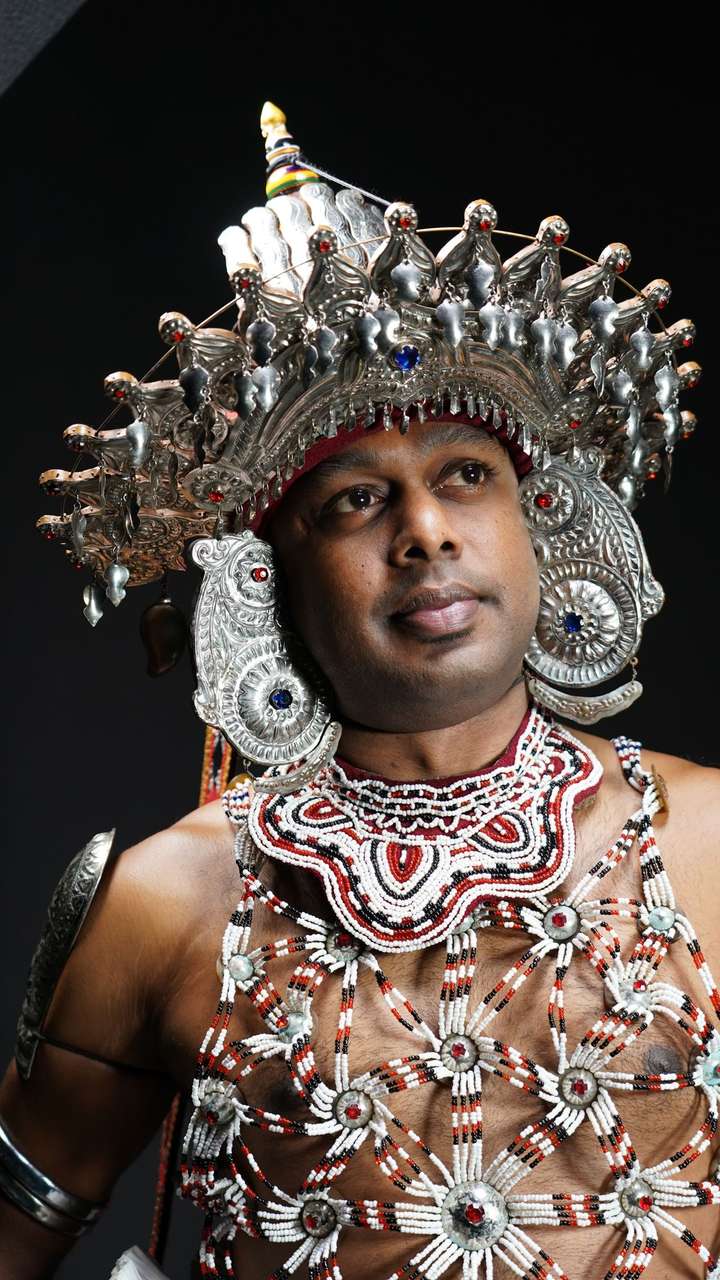
Sri Lanka is one of the warmest countries in the world in the literal and social sense. Locals routinely invite strangers to share meals, give directions they weren’t asked for, and wave from roadside stalls. Getting the basics of local customs right is less about avoiding offence and more about deepening your interactions with a culture that rewards genuine curiosity and respect.
Dress Code: What to Wear and Where
The practical starting point is the climate. Sri Lanka is hot and humid year-round, so lightweight and loose-fitting clothing is sensible for almost everyone. Beyond that, dressing appropriately signals respect and opens doors that might otherwise stay shut.
At religious sites — whether Buddhist temples, Hindu kovils, mosques, or Catholic churches — cover shoulders and knees without exception. This applies to all genders. Most major sites sell or loan sarongs and shawls near the entrance for around LKR 100-200 if you arrive in shorts or a vest. Shoes come off before entering temple grounds; socks too at most sites. Avoid entirely see-through clothing and anything with skulls, political slogans, or graphic imagery. White clothing is considered respectful at pilgrimage sites like Adam’s Peak and Sri Pada but isn’t compulsory elsewhere.
At the beach, swimwear is perfectly normal at resort beaches along the south coast (Unawatuna, Mirissa, Arugam Bay) and in Negombo’s beach strip. Cover up the moment you walk beyond the sand into the town or village behind it. Bikini tops worn into a roadside kade (shop) or while haggling in a market are considered disrespectful and will make transactions awkward. A sarong or linen shirt takes seconds to put on and changes the entire dynamic.
At restaurants, dress code depends heavily on the setting. Street food spots, beach shacks, and small local kades have no dress code at all. Mid-range restaurants in Colombo’s Pettah or Galle Fort are smart casual. Higher-end venues in Colombo — Ministry of Crab, The Gallery Cafe, or Ekala — expect collared shirts and closed footwear for dinner service, though enforcement is relaxed by Southeast Asian standards. Calling ahead is always worth it for special occasions.
Tipping Culture: Who to Tip and How Much
Tipping in Sri Lanka sits between the Southeast Asian model (tips discretionary and modest) and the South Asian model (baksheesh culture at budget end). The practical breakdown:
Restaurants: A 10% service charge appears automatically on bills at most tourist-facing restaurants in Colombo and beach towns. If the charge is already on the bill, the tip has been taken care of. At small local eateries and street stalls without a printed charge, rounding up or leaving LKR 100-200 is generous and well received. Never leave coins — it reads as dismissive.
Guides and drivers: This is where tips matter most. For a full-day private tour guide, LKR 1,000-1,500 (approximately USD 3-4) is a fair day rate on top of the agreed fee. Half-day tours: LKR 500-800. Drivers who arrange their day around your schedule for a multi-day trip: LKR 500 per day is the going rate. Large tour operators generally add service fees, so double-check whether a gratuity is already built in.
Tuk-tuks: On metered rides in Colombo, rounding up is sufficient. On longer, negotiated tuk-tuk trips where the driver waited for you at sites or suggested stops along the way, 10% on top of the agreed fare is appropriate. No tip is expected for short hops under a kilometre.
Hotels: Porters expect LKR 100-200 per bag at mid-range and upscale properties. Housekeeping staff at guesthouses: LKR 200-300 for stays of two or more nights, left at checkout rather than daily. Skip tipping entirely at government-run rest houses and budget homestays unless the service was exceptional.
When not to tip: Government hospitals, state railway, public buses, supermarkets, and petrol stations have no tipping culture and tips will confuse rather than please.
Social Customs and Greetings
The standard Sri Lankan greeting is “Ayubowan” (ah-yoo-BOW-wan) spoken with both palms pressed together at chest height and a slight bow of the head — similar to the Indian namaste. Most Sri Lankans will shift to a handshake with tourists after the initial greeting, but using Ayubowan first lands well and is appreciated as genuine effort rather than affectation.
Sri Lankans generally stand closer during conversation than Europeans or North Americans are accustomed to. Making sustained eye contact is polite; averting your eyes reads as evasive. The head waggle — a gentle side-to-side tilt — means yes, agreement, or “I understand,” and is one of the most confusing gestures for first-time visitors. A head shake from side to side is a no, identical to Western usage, but the waggle is the ambiguous one.
Bargaining is appropriate in markets like Pettah in Colombo, at Galle’s souvenir stalls, and when negotiating tuk-tuk fares without a meter. Open at 50-60% of the asking price. Remain friendly; walking away is acceptable and often invited. Loud or aggressive negotiation is considered poor form. Fixed-price shops, air-conditioned supermarkets, and restaurants with printed menus do not negotiate.
Photography requires explicit consent for individuals. A smile and a gesture toward your camera is enough — most people will pose willingly or wave you off clearly. Photographing military installations, government buildings, and certain Colombo landmarks is prohibited and the restriction is enforced. At ceremonies and processions (the Kandy Esala Perahera being the most prominent), stay behind the ropes and avoid using flash near animals or performers.
Religious and Cultural Sensitivities
Sri Lanka is overwhelmingly Buddhist (about 70% of the population), with significant Hindu (13%), Muslim (10%), and Christian (7%) minorities. All four religious communities are publicly active, and their festivals, ceremonies, and places of worship are woven into daily life.
Buddhism: Never touch a monk unless he initiates contact. Women should not hand objects directly to a monk — place the item on a surface or a cloth so he can pick it up. Speaking loudly near a shrine room is frowned upon. Seated at a stupa, keep feet tucked to the side so they don’t point at the sacred structure. Never climb on or sit on a Buddha image — this happens occasionally among tourists and causes genuine hurt.
Hindu kovils: Remove shoes before entering. Men may be asked to remove their shirts in inner sanctum areas. Non-Hindus are welcome at most kovils but may not be permitted into the innermost shrine rooms at certain sites, particularly during active pooja (prayer) times. Ask at the entrance.
Muslim areas: In areas with significant Muslim populations — Beruwala, Kattankudy, parts of Galle, and Colombo’s Slave Island — modest dress is expected from all visitors, not just those entering mosques. During Ramadan, avoid eating or drinking in public in these areas during daylight hours.
Poya days: Full moon days are public holidays in Sri Lanka. Alcohol is not sold legally, most businesses close by midday, and traffic near pilgrimage sites is heavy. Plan transport and dining accordingly.
Dining Etiquette
Sri Lankan food is traditionally eaten with the right hand — specifically the fingers of the right hand, which are used to mix rice and curry together before scooping. This applies at local rice-and-curry spots and at many homes. The left hand is considered unclean for food contact. If you prefer cutlery, any restaurant will provide it without comment.
Finishing your plate is a compliment. Leaving significant food behind is not offensive, but finishing signals that you enjoyed the meal and is quietly noted. At local restaurants, water is often brought automatically or on request without charge. Soft drinks, lion lager, and short eats (the small snacks at the counter of every kade) are paid separately.
Refusing food when visiting someone’s home is the one place where firm refusal can cause genuine awkwardness. Accept the tea, the biscuits, or the small plate of rice even if you’re not hungry. A single cup and a few sips satisfies the obligation. Dietary restrictions — vegetarianism in particular — are well understood and easily accommodated; just explain at the outset.
Sri Lankan meal times are earlier than visitors from Europe might expect: lunch between noon and 1pm, dinner between 6pm and 8pm. Restaurants outside of Colombo and tourist areas often stop serving by 9pm.
Behaviour in Homes
An invitation to a Sri Lankan home is meaningful and worth accepting if you can. Shoes come off at the door without being asked — look for a row of footwear on the step outside as your cue. You will almost certainly be seated and offered food within minutes of arriving.
Bring a small gift. Nothing elaborate: a box of biscuits from a Ceylon Biscuits shop, a bag of local sweets, or a bunch of bananas from the nearest market. Gifts are typically not opened in front of the giver. Don’t be alarmed if your carefully chosen package is set aside — it will be appreciated later.
Elders in the household are addressed formally and seated first. Complimenting the home, the food, and the children goes a long way. Avoid discussing Sri Lanka’s civil war or ethnic politics unless your host raises the subject — this is still raw territory in many families and the views vary sharply by ethnicity and region.
Photography inside a home requires asking. In most homes the answer will be yes, but it’s the asking that matters.
Visiting hours are generally respected: mid-morning and mid-afternoon are comfortable, late evening visits are uncommon outside of festival settings. When you’re ready to leave, say so directly rather than hovering — Sri Lankan hosts will continue to offer tea indefinitely and interpret hesitation as wanting to stay.
Sri Lanka’s customs are not particularly strict by South Asian standards, but they are real. The dress codes at religious sites, the deference to elders, the acceptance of food in homes, and the sensitivity around Buddha images all matter to people. Getting them right is straightforward once you know them, and the effect on how you’re treated — with warmth, humour, and genuine openness — is immediate.
Related guides: Tipping in Sri Lanka and Sinhala & Tamil Phrases Guide.