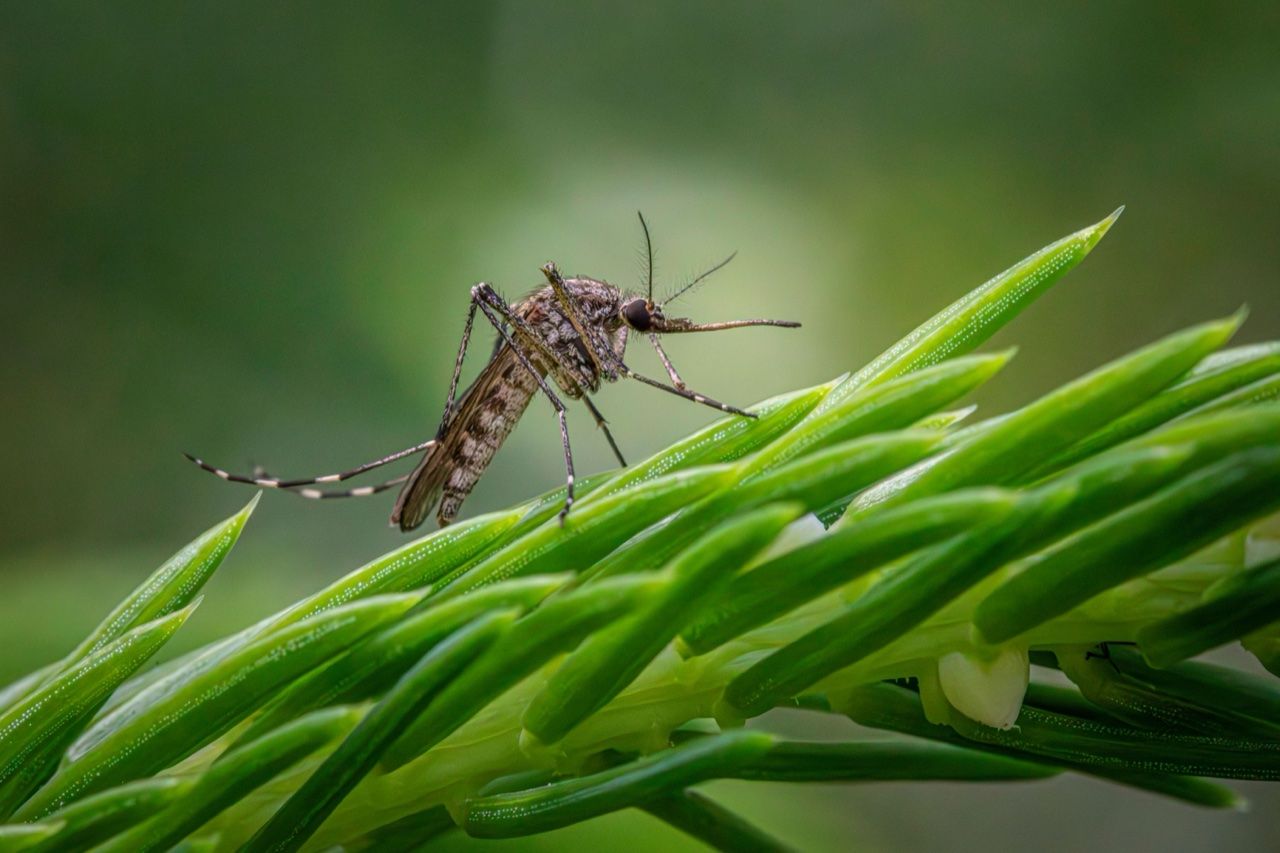
Two separate but concurrent issues are affecting conditions in Sri Lanka this July: a record dengue outbreak, and ongoing fuel quotas that limit access to petrol and diesel for private vehicles.
Dengue at Record Levels
Sri Lanka’s Epidemiology Unit reported over 56,000 dengue cases in the first half of 2026, surpassing the same period in any previous year on record. The south-west monsoon runs from May through September, and the combination of standing water from heavy rainfall and warm temperatures creates conditions where the Aedes aegypti mosquito - the primary dengue vector - breeds rapidly.
Dengue is present across the country, but case density is highest in the Western Province (including Colombo), along the south-west coast, and in the hill regions around Kandy.
For travellers: Dengue has no specific treatment and no widely available vaccine for the general traveller population (a vaccine exists but is recommended only for those previously infected). Prevention is the only effective approach:
- Use DEET-based repellent (at least 30–50% concentration) during daylight hours when the mosquito is most active
- Cover arms and legs at dawn and dusk
- Ensure your accommodation has screened windows or air conditioning that keeps windows closed
- Empty any standing water near your accommodation - tyres, flower pots, and buckets are common breeding sites
Symptoms appear 4–10 days after a bite and include high fever, severe headache, pain behind the eyes, joint and muscle pain, and rash. Seek medical attention promptly if you develop these after time in Sri Lanka.
Fuel Quotas for Private Vehicles
Sri Lanka introduced fuel rationing for private vehicles during the 2022 economic crisis, and a modified quota system remains in effect. Tourists hiring self-drive vehicles or motorcycles may encounter queues at fuel stations and a limit on the volume they can purchase per visit. In practice, many filling stations have adapted and queues are shorter than during the acute crisis period, but it remains worth filling up when you can rather than waiting until your tank is low.
Organised tours, tuk-tuks, and taxis generally operate on commercial fuel allocations which are less restricted. If your Sri Lanka trip involves significant overland travel under your own power, plan fuel stops in advance and do not assume rural stations will be fully stocked.
For a full picture of what to expect on the ground, see our health and safety guide for Sri Lanka. Given the current dengue levels, we also strongly recommend picking up travel insurance for Sri Lanka before you travel - a policy covering medical expenses is essential this season.