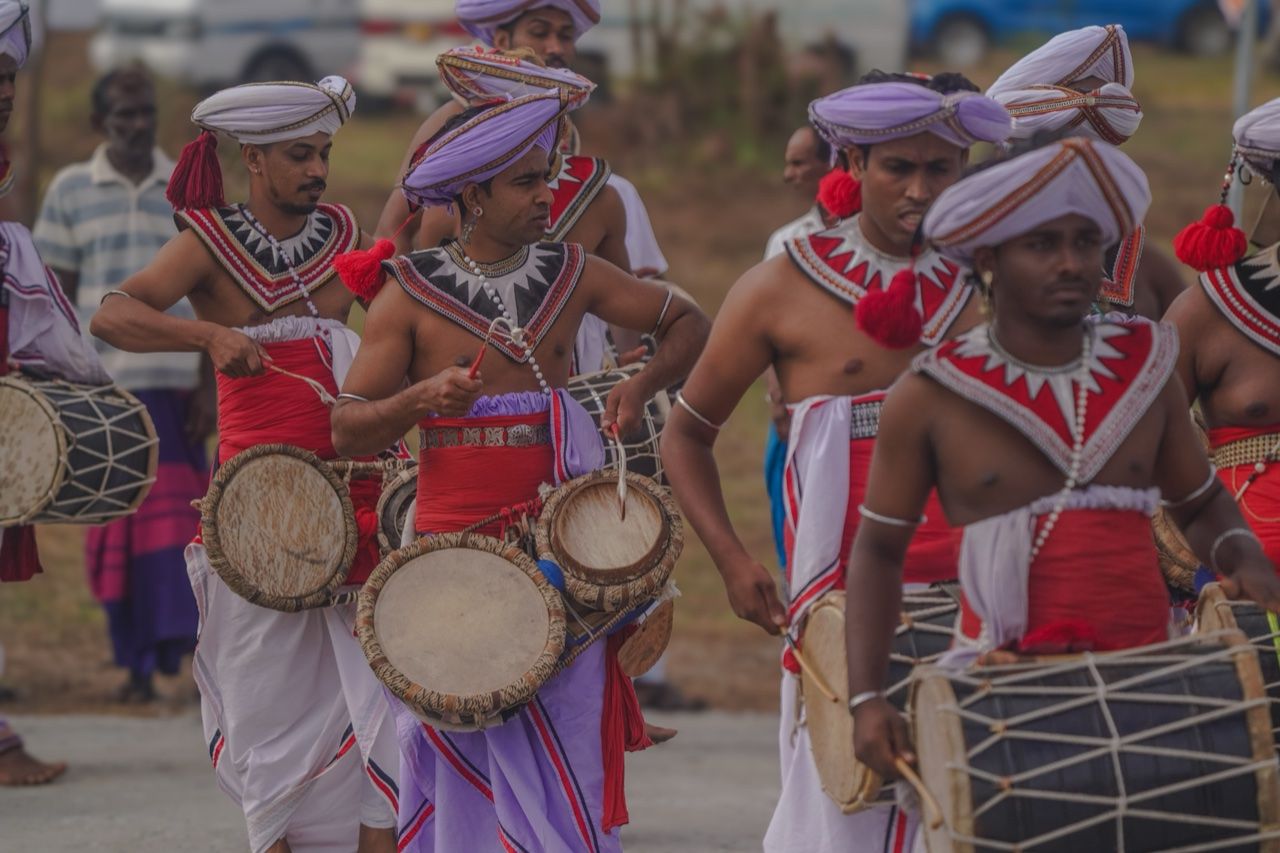
The Kandy Esala Perahera, Sri Lanka’s largest and most celebrated religious festival, is held annually for 10 nights in July or August. The festival is a Buddhist pageant held in honour of the Sacred Tooth Relic housed at the Dalada Maligawa (Temple of the Tooth) in Kandy, drawing hundreds of thousands of pilgrims and visitors from across the world each year.
If you are planning to visit Kandy during the Perahera, book accommodation well in advance - rooms within viewing distance of the parade route fill weeks ahead of the festival.
The Two Phases
The Perahera runs across two distinct phases, spanning 10 nights total:
Kumbal Perahera (Opening 5 nights)
The opening phase, considered slightly less formal in terms of decoration but still involving significant numbers of elephants, drummers, fire dancers, and whip crackers. The Kumbal Perahera builds nightly in scale and elaborateness. If you are attending for the first time and want to see the full spectacle without the absolute peak-night crowds, nights two and three of this phase are a good balance.
Randoli Perahera (Main 5 nights)
The main phase, and the most ornate. Nightly processions grow larger each evening, culminating in the Mahanuwara Esala Maha Perahera on the night of the full moon (the final night). This is the largest single procession of the entire festival, featuring 80–100 decorated elephants, the Maligawa Tusker carrying the golden casket of the Tooth Relic, and dancers and musicians from Kandy’s four main devales.
Dayata Perahera (Final day, daytime)
A daytime procession marking the close of the festival, ending with the kap (ritual water-cutting ceremony) at the Mahaweli River.
Practical Details
Where to watch: Processions depart from the Temple of the Tooth and move through Kandy’s city centre along a fixed route. Stands with reserved seating are operated by hotels along the route - most are pre-booked as part of hotel packages. Pavement viewing is free but standing room from around 7pm onward.
Start time: Processions typically begin around 8–9pm and can run until midnight on the peak nights.
Crowds: The full moon night (the final Randoli Perahera night) draws the largest crowds. If you want a less congested experience, the Kumbal Perahera nights or the early Randoli Perahera nights are manageable.
Photography: The processions are photographically spectacular. Use a 70–200mm equivalent lens if possible; flash photography near elephants is not permitted.
Dress code: Visitors are expected to dress respectfully - shoulders and knees covered. Remove shoes if entering the temple precinct.
Getting to Kandy
Kandy is approximately 116km from Colombo by road (2.5–3 hours by bus or taxi). The train from Colombo Fort to Kandy is the most scenic option and takes around 2.5 hours on the intercity express - book tickets in advance through the Sri Lanka Railways online portal, as trains from Colombo fill up weeks before the Perahera.
Our Kandy Esala Perahera guide covers viewing spots in depth, ticket options, elephant welfare context, and how to book guided tour packages that include reserved seats and return transport. The Kandy guide covers accommodation options near the Temple of the Tooth and the best neighbourhoods to stay in during the festival. Arriving from Colombo? The getting around Sri Lanka page has current train and bus booking options.
Festival Structure at a Glance
| Phase | Duration | Notes |
|---|---|---|
| Kumbal Perahera | Nights 1–5 | Opening phase, growing nightly in scale |
| Randoli Perahera | Nights 6–10 | Main phase; peak on the full moon night (night 10) |
| Dayata Perahera | Final daytime | Closing procession and ritual water ceremony |
If you want a guided experience that includes transport from Colombo and reserved viewing, search Kandy Perahera tours for current availability. Accommodation in Kandy during the festival fills fast - book your stay in Kandy well ahead.