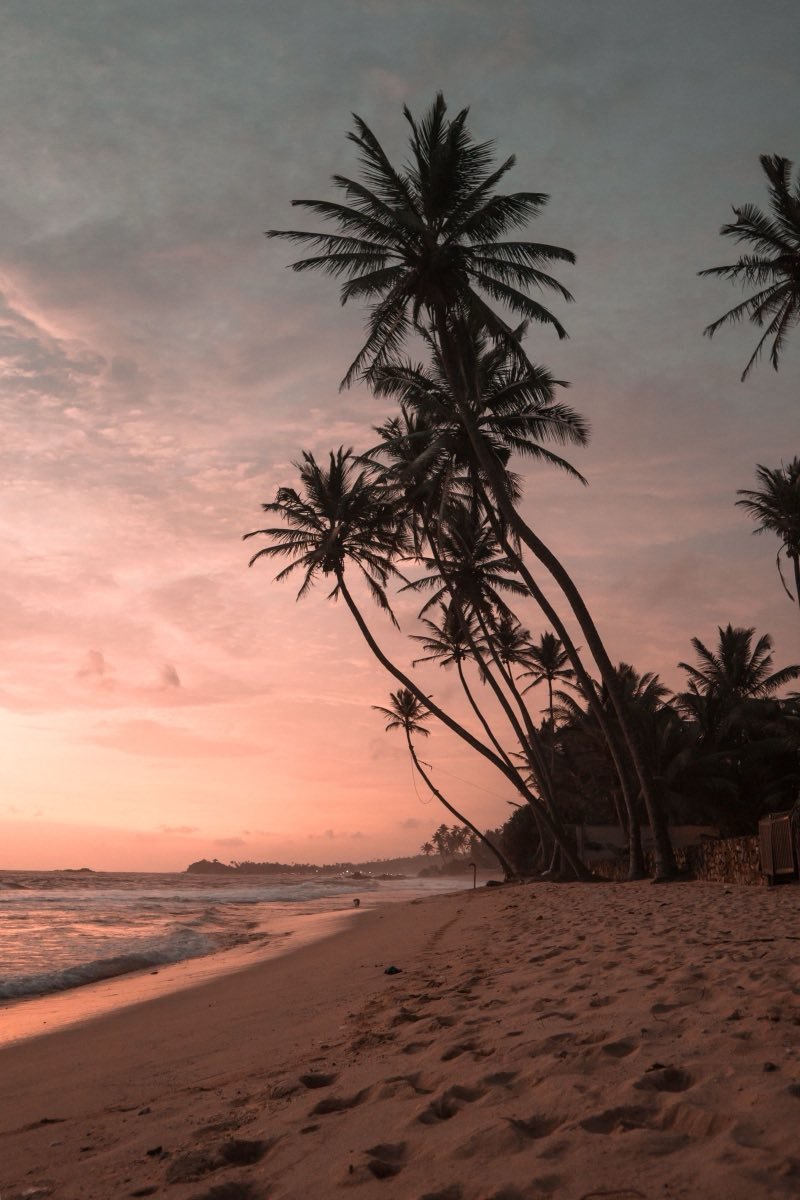
Sri Lanka is safe for the great majority of visitors. Serious crime against tourists is uncommon, there is no active conflict anywhere you would travel, and most trips end with nothing worse than a stomach upset or an overcharged tuk-tuk ride. The real risks are on the road, in the sea and in the weather. This guide covers what is worth worrying about, what is not, and how to reduce the risk. For medical detail see our health and safety guide.
Official travel advice in 2026
The US State Department lists Sri Lanka at Level 2, “Exercise Increased Caution”, citing terrorism risk, civil unrest and landmines left in parts of the north and east. That is the same level as many popular destinations, not a warning against travel. The UK Foreign Office does not use numbered levels, and its advice has focused on localised flooding and landslide risk after Cyclone Ditwah, plus fuel supply notes. Advisories change, so read the current versions on GOV.UK and travel.state.gov before you book, and again before you fly.
Two practical points follow from the advice. Avoid political demonstrations, which can start with little notice, and never walk off marked paths in former conflict areas around the north and east, where demining is still being completed.
Crime and scams
Petty theft is the main crime: bag snatching from tuk-tuks, pickpocketing on crowded trains and buses, and phones left on beach towels. Keep your phone away from the open side of a tuk-tuk, carry a day bag in front of you on busy trains, and use hotel safes for passports and spare cash.
Scams are more common than theft, and almost all are about money:
- Tuk-tuk pricing. Many drivers quote high prices to tourists or claim the meter is broken. Agree the fare before you get in or use a ride-hailing app in Colombo, Kandy and Galle. Ask your guesthouse what a fair fare is.
- Gem shops. The “closed temple, come and see my cousin’s gem shop” routine is the classic one. Foreign buyers regularly overpay for synthetic or low-grade stones. Do not buy gems as an investment, and decline any driver who insists on a “special shop”.
- Fake guides and “helpful” strangers. Someone at a station, temple or fortress offers directions, then asks for money. At Sigiriya and Kandy, buy tickets only at official counters and agree a price for any guide in advance. A licensed guide from a guided tour avoids the negotiation entirely.
- Closed-attraction stories. Being told that a temple, train or site is closed is almost always the opening to redirect you somewhere that pays commission.
- Money changers. Use banks or licensed exchange counters, count the notes and ignore street offers.
If you are scammed or robbed, go to the nearest police station and ask for a written complaint, which your insurer will need. The Tourist Police and the 1912 hotline handle overcharging and harassment; see our emergency numbers guide.
Solo and female travel
Many solo travellers, including women, travel Sri Lanka with no problems and report friendly, helpful locals. Unwanted attention does happen, especially on crowded buses and trains, around beach towns after dark and from men offering “company” or rides. Sensible habits help: dress modestly away from the beach (shoulders and knees covered at temples anyway), sit near other women on buses, avoid isolated beaches and roads after dark and use licensed taxis or a driver you trust. Our solo travel guide covers safe bases, meeting people and night trains in more depth.
Road safety
Roads are the most dangerous part of a trip. Buses and trucks overtake on blind bends, motorbikes weave through traffic, animals walk onto the road and many vehicles run without lights after dark. Distances look short on a map but take far longer than expected in the hill country.
- Avoid driving yourself unless you are experienced in Asian traffic. A hired driver costs little compared with the risk.
- Do not travel long distances at night.
- Wear a seatbelt in the back, and a helmet on any scooter or motorbike. Scooter accidents are a common reason for foreign tourists to claim on insurance, so check that your policy covers riding.
- On the trains, do not lean out of open doors on the scenic hill-country lines, even though everyone does for photos.
Floods, cyclones and monsoon weather
Sri Lanka has two monsoons, and heavy rain brings flooding and landslides, mainly in the hill country and southwest. Cyclone Ditwah in late November 2025 caused severe flooding and landslides across the island, with hundreds of deaths, damaged roads and rail lines and disrupted the start of the peak season. The main tourist areas recovered quickly, but damage on some hill-country routes took longer to repair.
What to do: check the season before you plan (our monsoon season guide shows which coast is dry when), follow Disaster Management Centre alerts (117), keep an itinerary that can flex by a day or two, and avoid river crossings, steep slopes and rail lines in heavy rain. Buy insurance that covers weather disruption and cancellations.
Swimming, surf and wildlife
Rip currents are the leading cause of tourist drownings, mostly on the south and west coasts during the southwest monsoon (May to October). Swim only on beaches with calm water or lifeguards, never alone and never after drinking. Many beaches have no lifeguards.
Wildlife risks are modest but real. Elephants are dangerous around roads and villages, particularly at dusk. Keep your distance from them and from monkeys, which grab food and bags. Snakes are present but rarely encountered on normal itineraries; wear closed shoes on trails. On safaris, stay inside the vehicle with licensed operators, and do not approach elephants on foot. A reputable safari or wildlife tour follows park rules for you.
Health risks
Dengue is the main illness concern, with higher risk during and after the rains; use repellent in the daytime and wear long sleeves. Stick to bottled or filtered water. Vaccinations, hospitals and malaria details are in the health and safety guide. The private hospitals in Colombo are good; remote areas have basic care only.
Travel insurance
Because the biggest risks are medical (accident, dengue) and weather-related, insurance is worth having. Look for medical cover with evacuation, cover for motorbike use if you plan to ride, and trip cancellation for storms. Compare options through Sri Lanka travel insurance and read our travel insurance guide for what to check, and buy before you pay for non-refundable bookings.
Quick safety checklist
- Check the US and UK advisories before you book and before you fly.
- Save 119 (police), 1990 (ambulance) and 1912 (tourism hotline).
- Agree tuk-tuk fares first and ignore “closed attraction” stories.
- Avoid night driving and scooters unless you are experienced.
- Swim where it is calm, and heed warning flags.
- Follow weather alerts and keep a flexible itinerary in monsoon months.
- Carry insurance with medical, evacuation and weather cover.
Prices and advisory levels are accurate as of 2026 and can change; confirm with official sources.