May marks the arrival of the southwest monsoon on Sri Lanka’s west and south coasts. Colombo, Galle, and Mirissa shift into their wet season, while the east coast enters its dry period. This month splits the island decisively - the right itinerary makes all the difference.
Southwest Monsoon Arrives: West Coast Closes, East Coast Fully Opens
The southwest monsoon typically arrives in mid-to-late May. Colombo, the west coast, and the south coast receive heavy rainfall - 300–400mm in Colombo alone during May. Rain falls in prolonged spells rather than brief showers, and the sea along the west coast becomes rough with strong currents. Swimming is unsafe at most west coast beaches.
The east coast flips to dry season. Trincomalee, Batticaloa, Arugam Bay, and Pasikudah see sunshine, calm seas, and temperatures of 30–33°C. This transformation is dramatic - within a few weeks, the east coast goes from monsoon washout to excellent beach and surf conditions.
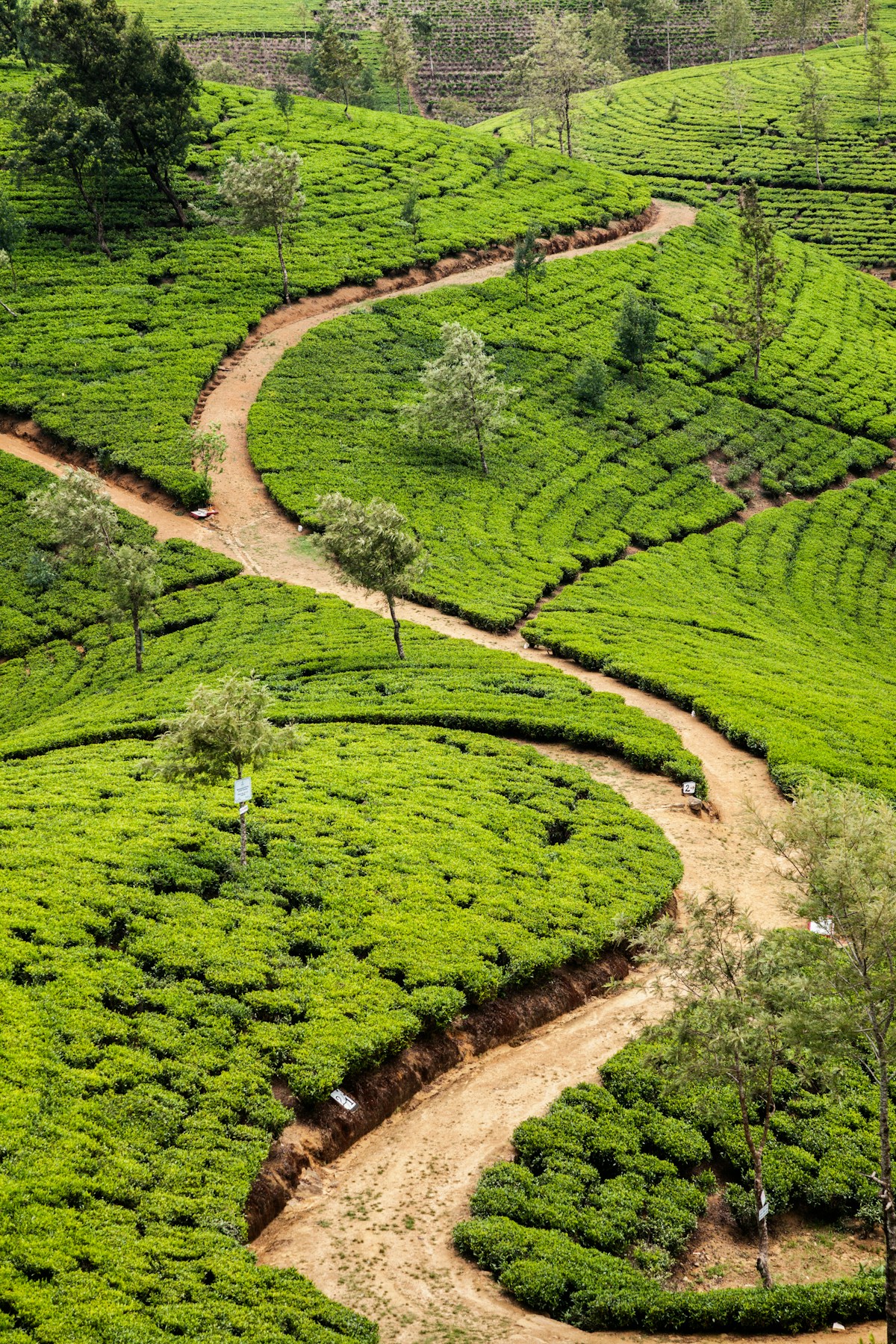
The Hill Country receives inter-monsoon rainfall in May, with regular afternoon showers in Ella and Nuwara Eliya. Mornings are usually clear. Temperatures sit at 18–24°C in Ella and 14–18°C in Nuwara Eliya. The tea estates are at their greenest.
The Cultural Triangle (Sigiriya, Polonnaruwa, Anuradhapura) catches some monsoon rain but remains accessible. Expect afternoon showers and hot, humid conditions of 32–35°C.
Vesak Poya: Sri Lanka’s Most Sacred Buddhist Festival
May’s full moon Poya day is Vesak Poya - the single most important day in the Sri Lankan Buddhist calendar. Vesak celebrates the birth, enlightenment, and death of the Buddha. The entire country transforms: streets are decorated with illuminated pandals (large painted panels depicting the Buddha’s life), lanterns hang from every house, and free food stalls (dansalas) line the roads.
Colombo’s Vesak celebrations are the most elaborate, running for two days around the full moon. Beira Lake and the Gangaramaya Temple area are illuminated spectacularly. Alcohol sales are banned nationwide for the full Vesak weekend, and many restaurants close or serve only vegetarian food. If you are in Sri Lanka for Vesak, it is an extraordinary cultural experience - but plan meals and activities around the closures.
Whale Watching Ends; Trincomalee Seas Open for East Coast Snorkelling
Whale watching at Mirissa ends in April or early May. The monsoon seas make boat trips impossible from the south coast. However, whale watching shifts to the east coast - Trincomalee becomes the alternative from May through October, with blue whales and sperm whales spotted in the deeper waters off the northeast coast. The Trincomalee operation is smaller and less established than Mirissa, but sightings are possible.
Yala National Park remains open in May (it closes in September for maintenance). The early monsoon rains begin to fill dried waterholes, and the park’s vegetation starts to green up. Wildlife is more dispersed than in the dry months, but the park is also far less crowded - you may have sections of the park to yourself.
Wilpattu National Park in the northwest is a good alternative in May. It receives less monsoon rain than the south, and its distinctive lake-studded landscape attracts leopards, elephants, and bears.
East Coast Surf Builds: Arugam Bay Into Season Through May
May is the start of Arugam Bay’s surf season. The first consistent swells arrive at Main Point, Whiskey Point, and Pottuvil Point. Conditions build through the month - early May can be inconsistent, but by late May the point breaks are firing regularly. Water temperature is 28–29°C, and the lineups are far less crowded than the July-August peak. Browse Sri Lanka tours available in May - the Cultural Triangle and east coast tours run year-round, while south coast activities shift to safari-focused options.
The south coast surf season is over. Hikkaduwa, Midigama, and Weligama are too rough for safe surfing, with strong currents and onshore winds.
Monsoon Greens the Hills: Lush Tea Estates with Heavy Cloud and Rain
May’s monsoon rains reach the western slopes of the central highlands, boosting tea growth. The factories around Nuwara Eliya and Dimbula are in full production. This is technically a productive period for tea, though the wet conditions make plantation walks less pleasant. The Kandy-to-Ella train runs year-round - May views include lush green hillsides and waterfalls swollen by rain, though cloud cover can obscure the panoramas.
Low Season Opens: West Coast Rates Drop 30–50%, East Coast at Peak
May is low season. Hotel rates across the island drop 30–50% from peak-season prices. The south coast is quiet, with many smaller guesthouses offering walk-in discounts. The east coast is still in early season - Arugam Bay prices are at their lowest before the July-August surge.
This is one of the cheapest months to visit Sri Lanka. Flights are cheaper, accommodation is plentiful, and even the popular Cultural Triangle sites have minimal queues. The trade-off is weather - you need to plan around the monsoon geography.
Practical: Getting East in May
The most useful route in May runs Colombo to Sigiriya by bus (approximately 5 hours, LKR 300–400), then cross-country to Trincomalee via Habarana by bus or taxi. Trincomalee is 3.5 hours from Habarana - buses run from Habarana junction for around LKR 200. From Trincomalee, a bus south to Arugam Bay takes 4–5 hours via Batticaloa. The whole east coast hop from Colombo can be done over 2 days: Sigiriya night one, Trincomalee or Arugam Bay from day two.
Nilaveli Beach, 16km north of Trincomalee, is the east coast’s most established resort strip in May. Nilaveli Beach Hotel is a long-running option at $70–120 per night; Uga Jungle Beach, north of Trincomalee, charges $280–400 but offers an all-inclusive option worth calculating against separate meals. In town, guesthouses run $25–45.
Arugam Bay in early May is genuinely cheap: basic guesthouses near Main Point charge $12–20 per night. By late May, as surf conditions improve, rates edge up to $25–40. The established surf camps along the main strip offering surf lessons from approximately $20 per hour.
Plan your Colombo transit around Vesak if the full moon falls in your travel window. Vesak weekend sees Colombo’s streets illuminated, but restaurant closures and alcohol bans on the Friday-Saturday can catch travellers off guard. Stock water and snacks the day before.
For the Cultural Triangle, Sigiriya Rock entry costs $35. The Dambulla Cave Temples charge $10 per person. Polonnaruwa’s archeological park is approximately $25 per person for foreigners. The Habarana area has a good spread of guesthouses at $30–60 per night as a base for all three sites.
Where to Focus in May
Build your itinerary around the east coast and the Cultural Triangle. Fly into Colombo, head to Sigiriya and the ancient cities, then cross to Trincomalee or Arugam Bay. The Hill Country works as a connecting route between the Cultural Triangle and the east coast. Avoid basing yourself on the south or west coast.
See the best time to visit Sri Lanka for a full seasonal comparison.
Plan Your Trip
May is the month to go east. Route your trip from Colombo through Sigiriya and the Cultural Triangle, then cross-country to Trincomalee for the east coast’s opening dry season or south to Arugam Bay as the surf season begins. If Vesak Poya falls during your trip, Colombo’s Beira Lake and Gangaramaya Temple area are illuminated spectacularly - but plan meals around the restaurant closures and nationwide alcohol ban over the Vesak weekend. Ella and Nuwara Eliya connect the Cultural Triangle to the east coast, and the train is worth doing in any month. Skip Mirissa and the south coast - the southwest monsoon makes beach time impractical. Prices islandwide are at their lowest; this is one of the best months for budget travel.
Flights to Sri Lanka, travel insurance (the monsoon can disrupt outdoor plans), and an eSIM. Search east coast hotels on Booking.com - May offers the lowest east coast rates before the season builds.