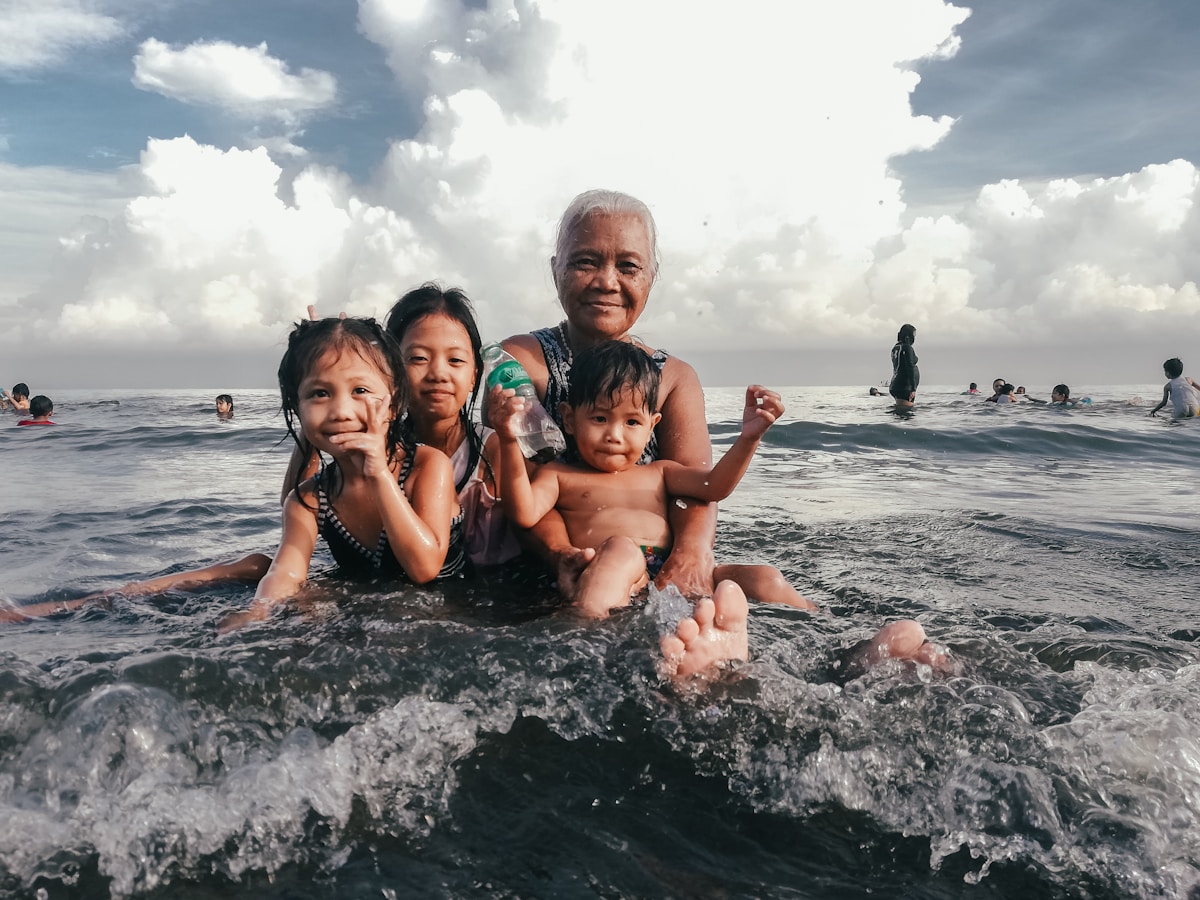
Sri Lanka works well as a family destination once you understand the logistics. The island is compact enough to cover the highlights without exhausting transit days, children are made genuinely welcome in most places, and the variety - beaches, wildlife, trains, ancient ruins - holds attention across a wide age range. The main preparation is around transport safety, food choices, and heat management.
Ages and What Works
Under 3s: The south coast beaches (Mirissa, Unawatuna, Tangalle) are manageable, as is Colombo for a few days. Long internal travel days are harder with very young children. Avoid the hill country in high season - altitude changes and steep roads add stress. Focus on short-distance itineraries.
4–8 years: This age group tends to be the best fit for Sri Lanka. Udawalawe elephant safari is appropriate (near-certain sightings, manageable jeep drive), the Kandy train ride is an adventure, and beaches are obvious winners. Cultural sites like Sigiriya require climbing ability and sun exposure management - bring factor 50+ and plenty of water.
9 and up: The full range of Sri Lanka activities opens up. Nine Arches Bridge and the Ella Rock hike are feasible with fit kids. Snorkelling at Unawatuna and Hikkaduwa is suitable. Whale watching at Mirissa (November to April) is spectacular at this age.
Family-Friendly Highlights
Udawalawe National Park is the single best wildlife activity for families. Elephant sightings approach certainty year-round - a family group can expect to see 20–100 elephants in a morning drive without disappointment. Safari jeeps are comfortable for children and the 3-hour morning drive is manageable for most ages. The Elephant Transit Home adjacent to the park adds a second activity - feeding times at 6am, 9am, 12pm, 3pm, and 6pm can be viewed from a public area. Book a family-friendly Sri Lanka tour to handle the logistics - safaris, temple visits, and train journeys are far less stressful with a guide managing tickets, timings, and transport.
Mirissa beach suits families with children old enough to swim. The bay is sheltered, waves are generally gentle outside the monsoon (November–April), and the beachside restaurants are relaxed about children. Whale watching boats from Mirissa (November–April) offer a memorable morning excursion - blue and sperm whales are the targets.
Kandy’s Temple of the Tooth is one of the more accessible cultural sites with children. The complex is large and flat, the evening puja ceremony (daily at approximately 6:30pm) is visually dramatic and lasts only 30–40 minutes - long enough for children to stay engaged without getting restless.
The Kandy–Ella train is universally popular with children. The 6–8 hour journey through tea estates is scenic and the novelty of riding through tunnels, crossing viaducts, and seeing the landscape from the carriage windows holds attention for most of the journey. First class observation saloon is the most comfortable option for families with young children (numbered seats, air-conditioned, no standing passengers).
Sigiriya Rock Fortress suits children aged 7 and above with reasonable fitness. The climb involves around 1,200 steps and takes 45–60 minutes up. Bring water, start early (gates open at 7am), and complete the climb before 10am in the dry season. The views from the top and the history (a 5th-century palace built on a 200m rock) tend to engage older children. Entry fee for foreigners is approximately USD 30 per adult and USD 15 per child as of 2026 - significant for a family, so factor this into budgeting.
Accommodation
Family rooms and interconnecting rooms are available across most of Sri Lanka’s mid-range and above hotels. Budget guesthouses often offer family rooms with a double and single bed in one room.
Recommended family-suitable hotels:
- The Fortress Resort & Spa, Koggala (south coast): family villas with private pools, child-safe beach, children’s meals on request. Rooms from approximately $150 per night as of 2026.
- Cinnamon Lodge, Habarana (Cultural Triangle): bungalows set in gardens, family-friendly layout, and within easy range of Sigiriya and Dambulla. Rates from approximately $120 per night.
- Udawalawe Safari Camp / similar operators near Udawalawe: several mid-range safari camps near the park entrance offer family rooms from around $40–80 per night and organise early morning drives. The Athgira River Camping and Kalu’s Hideaway are commonly recommended.
- Mirissa Hills (south coast): hillside location, family suite available, 20 minutes from Mirissa beach. From approximately $80 per night.
For budget travel, most beach towns have guesthouses with family rooms at LKR 4,000–8,000 (approximately $13–26) per night. Ask specifically about mosquito nets when booking.
Food and Eating Out
Sri Lankan food ranges from mild to very spicy. Children’s palates are usually well-served in tourist areas - rice and curry with mild dhal is almost universally available and generally safe. Toast, eggs, and bananas are available at every guesthouse breakfast.
Practical food guidance:
- Stick to bottled or filtered water throughout the island, including for children’s teeth brushing
- Fresh fruit (mango, pineapple, papaya) is generally safe when you can see it being peeled in front of you
- Avoid raw salads, ice in drinks (unless you know the source), and uncooked shellfish for children with sensitive stomachs
- Restaurant kitchens in Colombo, Galle, Kandy, and Ella (the main tourist towns) maintain higher standards than remote rural areas
Breastfeeding: accepted without difficulty in Sri Lanka. There are no cultural barriers to feeding in public. Private rooms are available on request at most hotels.
Health and Medical
Hospitals: Good private hospitals in Colombo (Asiri Hospitals, Durdans Hospital) and Kandy (Kandy Private Hospital). Galle has adequate facilities. In remote areas, quality drops significantly - any serious medical situation should be managed by evacuation to Colombo. This makes travel insurance with medical evacuation cover essential for families.
Mosquitoes: dengue fever is present in Sri Lanka. It is not malaria (which exists in the north, not main tourist zones), but dengue is a real risk in coastal areas and jungle edges. Use DEET-based repellent on children (concentration appropriate for age - check labelling), and dress in long sleeves from dusk. Mosquito nets are standard in most tourist accommodation outside Colombo.
Pharmacies: widely available in towns of any size. Paracetamol (children’s formulations), rehydration salts, and basic antibiotics are available over the counter. Bring specific prescription medications from home as branded equivalents may not be available.
Stomach upsets: common for the first 2–3 days as children’s digestive systems adjust. Rehydration salts, bananas, and rice are the standard management. A paediatric oral rehydration solution (like Dioralyte) is worth packing.
Getting Around with Children
Internal flights: no scheduled domestic service currently operates on most routes. The Colombo–Jaffna route has intermittent service; check current availability closer to travel dates.
Trains: the Kandy–Ella route is excellent for families. Book first class (observation saloon) well in advance. The unreserved third class is not suitable for families with young children during peak season.
Private car hire with driver: the most practical option for families with young children or heavy luggage. Full-day rates run approximately $40–70 including fuel. Drivers experienced in family travel will accommodate rest stops and pace the day accordingly. Agree the itinerary clearly at the start.
Tuk-tuks: short hops within towns are fine. Not recommended for long distances with young children - no seatbelts, open sides, and exposure to road dust.
Car seats: not available locally; bring your own. A compact travel booster seat weighs around 1kg and is worth including in luggage for any family with a child under 7.
Summary by Family Type
| Family Type | Best Base | Key Activity |
|---|---|---|
| Toddlers + beach holiday | Mirissa or Unawatuna | Beach, whale watching |
| Wildlife + nature | Near Udawalawe | Elephant safari |
| Cultural + sightseeing | Kandy + Sigiriya area | Temple, train, rock fortress |
| Active school-age kids | Ella | Hiking, Nine Arches Bridge, train |
| Teenagers | Full circuit | Mix of all of the above |
Sri Lanka’s size (roughly the size of Ireland) means a two-week trip can plausibly combine beach, wildlife, and cultural sights without excessive transit days - a genuine advantage over larger destinations when managing children’s tolerance for long journeys.