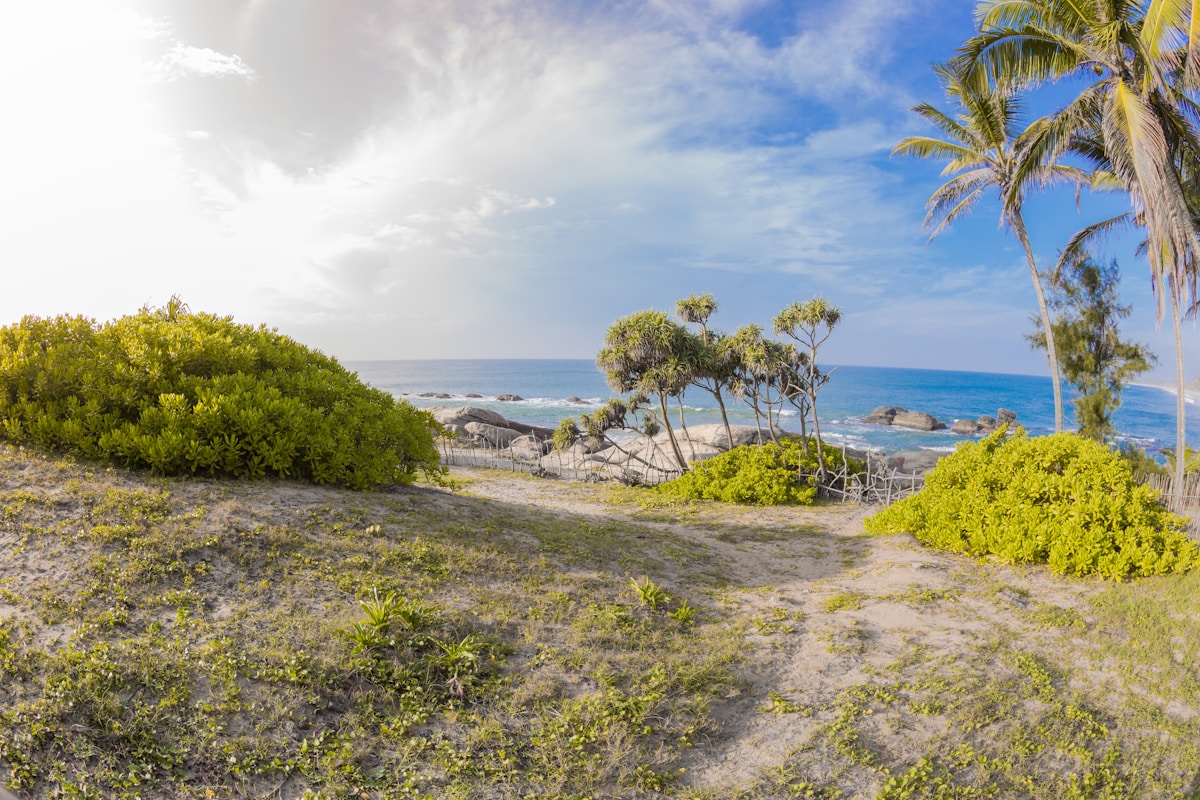
Pasikuda & Kalkudah: East Coast Beach Guide
Pasikuda and Kalkudah offer Sri Lanka's calmest east coast waters, a flat reef lagoon, and uncrowded beaches. Plan your trip with this complete guide.
Guides for Pasikuda
Pasikuda is a bay on Sri Lanka’s east coast, in Kalkudah Divisional Secretariat, Eastern Province. It sits about 35km north of Batticaloa and roughly 285km from Colombo. The beach is defined by a flat offshore reef that creates a natural lagoon - calm, clear, and shallow enough to wade 200 metres from shore without the water reaching your chest. That is its main selling point, and it is a genuine one.
Kalkudah, immediately to the north, shares the same general character but is less developed. Together the two bays form the main east coast beach destination for Sri Lankans and international visitors during the May-to-September season. East coast tours and water activities near Pasikuda are bookable in advance.
The Beach and Lagoon
The Pasikuda lagoon stretches roughly 1km along the bay. The water is warm year-round - typically 27–29°C - and the sandy seabed is clean and gradual. At low tide, large areas of the lagoon are knee-deep, making it popular with families and non-swimmers who want to walk far out into flat, turquoise water.
Kalkudah beach to the north is longer and less manicured. There are fewer hotels, fewer beach chairs, and less foot traffic. The trade-off is fewer facilities - finding food and cold drinks requires more effort. Most visitors walk the 15 minutes north from Pasikuda for a quieter afternoon and return to their hotel for meals.
The offshore reef is visible at low tide as a dark line beyond the lagoon. A handful of fishing boats operate from the northern end of the beach, and local operators offer trips to the reef edge for snorkelling. Gear rental is available from most hotels and from small operations near the beach for approximately LKR 300–500 per session.
Getting There
From Colombo
The drive takes 6 to 7 hours depending on traffic through Kandy. The route goes via the A1 Colombo–Kandy highway, then the A26 east through Mahiyanganaya, and finally north from Batticaloa on the B38 coastal road to Pasikuda.
Hiring a driver for the journey costs approximately LKR 15,000–20,000 one-way from Colombo. Shared taxis and private cars are also available through Colombo hotels.
An overnight bus from Colombo Fort to Batticaloa (approximately LKR 1,000–1,500 for a semi-express service) takes 7–8 hours. From Batticaloa bus stand, a three-wheeler to Pasikuda costs around LKR 600–800.
From Trincomalee
Trincomalee is the other major east coast destination, about 100km north of Pasikuda. The drive takes 2.5 to 3 hours via Habarana - the direct coastal road south of Trincomalee is not fully paved. A hired car costs approximately LKR 8,000–10,000.
From Kandy
Kandy to Pasikuda via Mahiyanganaya takes about 4 hours by road. It is a common combination with the inland heritage sites - many visitors route through the Cultural Triangle (Sigiriya, Polonnaruwa, Dambulla) before continuing east to the coast.
Where to Stay in Pasikuda
Pasikuda has a mix of full-service beach resorts and smaller guesthouses. Most accommodation is concentrated along the main beach road.
Maalu Maalu Resort & Spa is one of the most established beach hotels on the east coast, with chalets and villas set in garden grounds backing onto the lagoon. Rates run from approximately USD 120 per night including breakfast. The property has a swimming pool, restaurant, and water sports facility.
Club Pasikuda is a family-oriented all-inclusive resort with direct beach access. Rates start around USD 90 per night on a full-board basis - useful if you plan to stay put rather than exploring further afield.
Amaya Beach Resort offers direct lagoon frontage and a mid-size pool. Rates from approximately USD 110 per night. The restaurant serves Sri Lankan and international dishes.
For budget travellers, smaller guesthouses along the side roads behind the main hotels offer rooms from USD 25–45 with breakfast. Manel Guest House and Senevi Holiday Inn are consistently mentioned by travellers as reliable, clean options in the lower price range.
What to Do Near Pasikuda
Batticaloa
Batticaloa, 35km south, is the main town in the area. The Batticaloa Lagoon - a large inland water body connected to the sea - is known for “singing fish”: a low humming sound audible from boats at night near the Kallady Bridge, attributed to molluscs in the lagoon bed. The old Dutch Fort overlooks the lagoon and dates from 1665. Worth a half-day trip.
Polonnaruwa
The ancient city of Polonnaruwa, Sri Lanka’s medieval capital, is about 90km northwest of Pasikuda. The UNESCO World Heritage Site contains the Gal Vihara rock sculptures, the Vatadage circular relic house, and the Royal Palace complex. Entry costs approximately USD 25 as of 2026 (Cultural Triangle tickets). Most visitors from Pasikuda do this as a full day trip. For context on the cultural sites, see our guide to Ancient Ruins of the Cultural Triangle.
Arugam Bay
Arugam Bay, 95km south of Pasikuda down the coast road, is Sri Lanka’s main surf beach. It is open to visiting for non-surfers - the beach is long and uncrowded outside the peak surf season. The journey from Pasikuda takes about 2.5 hours by road. The surf season runs April to October - the same window as Pasikuda’s best beach weather.
Trincomalee
Trincomalee is roughly 100km north - about 2.5 to 3 hours by road. Trinco has some of the best beaches on the east coast: Uppuveli and Nilaveli are known for clear water and snorkelling, and whale watching trips also run from Trincomalee in season.
Food and Drink
There is no independent restaurant scene in Pasikuda comparable to Galle or Ella. Most visitors eat at their hotels. The main resort restaurants serve Sri Lankan rice and curry alongside Western dishes - quality varies but standard hotel food is reliable.
A few small local places near the junction at the main beach road sell short eats (roti, kottu, hoppers) for LKR 100–300. One of the more consistent local options is a small kade (shop-restaurant) on the approach road that serves rice and curry from midday for around LKR 350–500. Confirm options with your hotel as openings shift seasonally.
Practical Information
Best time to visit: May to September (east coast dry season). The west coast monsoon bypasses the east, making Pasikuda sunny when south coast beaches are being lashed by rain.
Getting around: Three-wheelers are the main local transport. A tuk-tuk between Pasikuda and Kalkudah costs LKR 100–200. To Batticaloa, expect to pay LKR 600–900.
Money: There is no ATM at the beach itself. Batticaloa has multiple ATMs in the town centre. Most resort hotels accept credit cards; smaller guesthouses and local shops are cash only.
Mobile signal: 4G coverage from Dialog and Mobitel is generally good along the beach road, though it can be patchy in some parts.
Language: The area is predominantly Tamil-speaking - Pasikuda is in Eastern Province. Basic Tamil phrases are appreciated, though Sinhala and English are understood in hotels.
Plan Your East Coast Trip
- Arugam Bay travel guide
- Batticaloa travel guide
- Trincomalee travel guide
- East Coast Sri Lanka itinerary
- When to visit Sri Lanka
Related Guides
- Snorkelling and diving on the south coast - for context on east coast vs west coast dive seasons
- Ancient ruins of the Cultural Triangle - Polonnaruwa is 90km northwest; a full day trip from Pasikuda
- Sri Lanka honeymoon itinerary - Pasikuda’s calm lagoon makes it a honeymoon destination
- Hiring a driver in Sri Lanka - recommended for reaching Pasikuda and making east coast day trips
- Getting around Sri Lanka - transport options on the east coast
Frequently Asked Questions
- What is the difference between Pasikuda and Kalkudah?
- Pasikuda and Kalkudah are two adjacent bays separated by a narrow point of land on Sri Lanka's east coast, about 35km north of Batticaloa. Pasikuda is the more developed side with the majority of hotels and a flatter, calmer lagoon stretching roughly 1km. Kalkudah sits immediately to the north and has a longer, wilder stretch of beach with fewer facilities. In practice, most visitors stay in Pasikuda and walk along to Kalkudah for a quieter experience.
- When is the best time to visit Pasikuda?
- May to September is the dry season on Sri Lanka's east coast - Pasikuda's peak season. The monsoon that drenches the south and west from May to October largely bypasses the east coast, making Pasikuda one of the best beach destinations in Sri Lanka during those months. October and April are transitional: short showers possible but still mostly sunny. The main south and west coast season (November–April) brings rougher seas to Pasikuda.
- How do I get to Pasikuda from Colombo?
- From Colombo, Pasikuda is approximately 285km east - around 6 to 7 hours by road. The most common route goes via the A1 highway to Kandy, then the A26 through Mahiyanganaya to Batticaloa, and finally the B38 north to Pasikuda. A direct overnight bus runs from Colombo Fort bus stand to Batticaloa (approximately LKR 1,000–1,500), from where a three-wheeler to Pasikuda costs around LKR 600–800. Driving or hiring a driver is the most flexible option.
- Is Pasikuda good for snorkelling?
- The reef offshore at Pasikuda creates the shallow, calm lagoon that defines the beach - and that same reef supports some snorkelling, particularly on its outer edge. Visibility is best May to August. The inner lagoon is too shallow and sandy for reef snorkelling. Several guesthouses rent basic snorkelling equipment for around LKR 300–500 per hour, and boat operators near the main beach offer trips to the reef edge for approximately LKR 1,500–2,000 per person.
- Are there luxury hotels in Pasikuda?
- Yes. Pasikuda has a cluster of full-service beach hotels including Maalu Maalu Resort (from approximately USD 120 per night), Club Pasikuda (from around USD 90), and Amaya Beach Resort (from around USD 110). Mid-range guesthouses and smaller hotels charge from USD 30–60. See the Where to Stay section below for direct booking links.
- How safe is Pasikuda for swimming?
- Very safe by Sri Lanka standards. The offshore reef creates a natural barrier that keeps the lagoon calm and shallow - typically 1 to 2 metres deep at low tide. There are no strong rip currents inside the lagoon. The main caution is jellyfish, which appear unpredictably during calm months. Always ask guesthouse staff about conditions before entering the water.
Book an experience
Top experiences in Pasikuda
Explore the best tours and activities in Pasikuda , with instant confirmation and free cancellation on most bookings.
Planning to visit? Browse hotels in Pasikuda — free cancellation on most bookings.