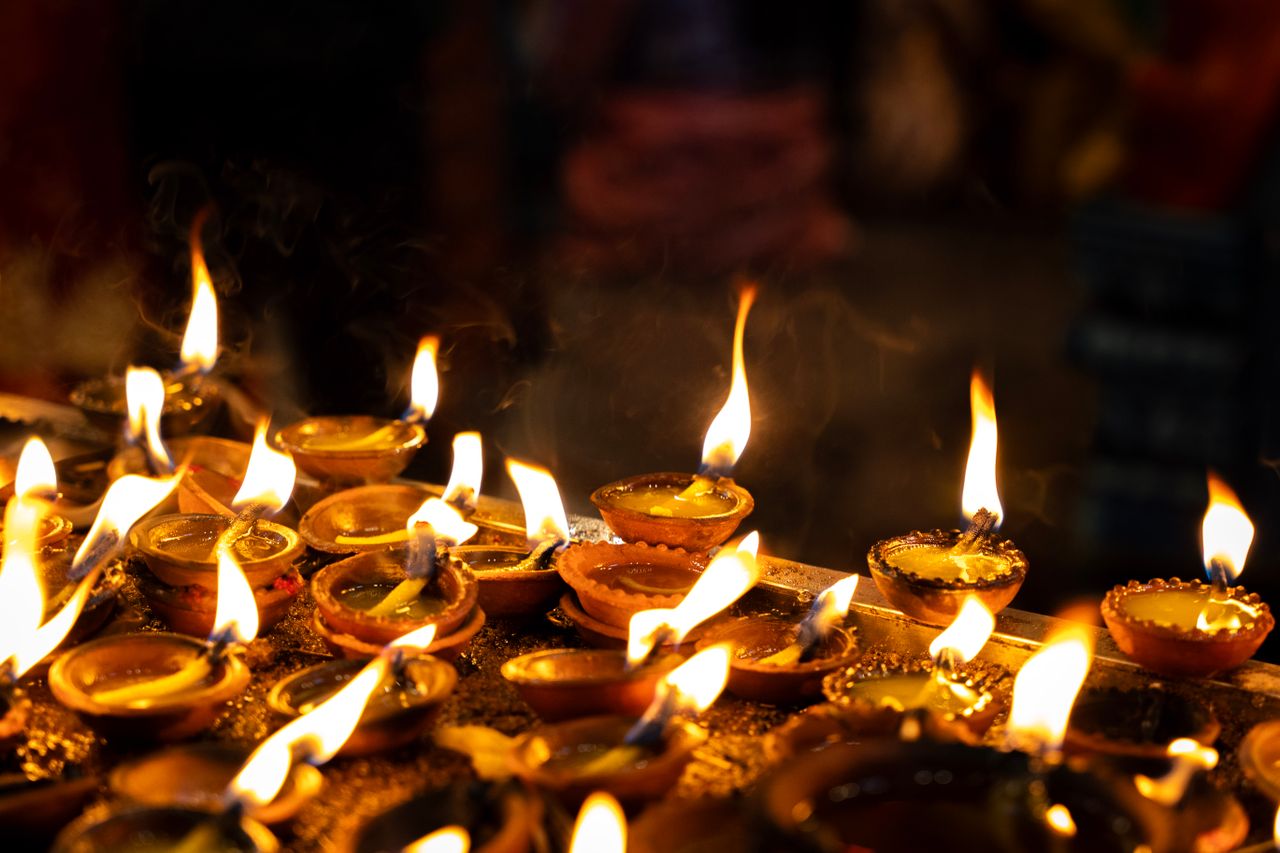
Deepavali, known in English as the Festival of Lights, is the most significant celebration in Sri Lanka’s Tamil Hindu calendar. It falls in October or November and transforms the streets of Tamil-majority areas with oil lamps, electric lights, and the noise of fireworks. Kovils are illuminated from base to gopuram. Families exchange sweets and visit temples. For a traveller in Sri Lanka during Deepavali, it is one of the most visually striking evenings of the year to be in a city like Colombo or Jaffna.
What Deepavali Commemorates
Deepavali (from the Sanskrit deepa vali, meaning row of lights) is celebrated across Hindu communities worldwide. In the Sri Lankan Tamil tradition, it carries multiple layers of meaning:
- The return of Lord Rama: in the Ramayana, Rama returns to Ayodhya after defeating Ravana and rescuing Sita. In Sri Lanka, which features in the Ramayana as Ravana’s kingdom, this story carries particular local weight. The lights symbolise the welcome given to Rama on his return.
- Worship of Lakshmi: the goddess of prosperity and good fortune is honoured during Deepavali. Prayers for abundance and health in the year ahead are central to the home and temple rituals.
- The victory of light over darkness: at its most fundamental level, Deepavali is an affirmation of light, knowledge, and the good. Every lamp lit is a small act of that affirmation.
When It Takes Place
Deepavali is determined by the Hindu lunar calendar and falls on the new moon day of the month of Karthigai, which aligns with late October or November in the Gregorian calendar:
- 2026: 8 November
- 2027: 28 October
Both dates are national public holidays in Sri Lanka. The government confirms the exact date annually via gazette notification. Alcohol is not sold on Deepavali day.
The day before Deepavali, known as Narak Chaturdashi, is also considered significant and sees preliminary lamp-lighting and puja in some communities.
Where to Experience Deepavali
Colombo: the most accessible place for international visitors to experience Deepavali. Several neighbourhoods come alive on the evening of the festival:
- Slave Island (Colombo 2): the Sri Kailawasanathan Swami Devasthanam Kovil is elaborately lit and holds extended puja throughout the day and evening. The streets around the kovil are decorated with lights. This is the same kovil that anchors the Vel Festival procession in July or August.
- Bambalapitiya (Colombo 4): the Sri Balaselva Vinayagar Murugan Kovil is fully illuminated. The surrounding streets, particularly along Galle Road, see rows of oil lamps lit in front of homes and shops.
- Wellawatte: this Colombo suburb has a large Tamil residential population and sees some of the most domestic, neighbourhood-level celebrations.
The Colombo Hindu temples guide covers the main kovils in more detail. For accommodation in Colombo during Deepavali, hotels in Colombo should be booked in advance if your visit falls on the main day.
Jaffna: the north’s cultural capital sees Deepavali celebrated at a neighbourhood level that Colombo’s urban density does not quite replicate. Residential streets across Jaffna light oil lamps along their edges after dark. The Nallur Kandaswamy Kovil holds major puja and is illuminated. Fireworks echo across the city from late afternoon onwards. If you are already planning a Jaffna visit, timing it to include Deepavali is worthwhile.
The Jaffna travel guide covers accommodation options and what else to see during a Jaffna visit. Hotels in Jaffna are limited in number relative to demand, so book ahead.
Batticaloa and Trincomalee: both east coast cities with significant Tamil Hindu populations celebrate Deepavali with temple illuminations and street lamps. On a smaller scale than Colombo and Jaffna, but still visible and atmospheric.
What You Will See and Hear
Oil lamps (diyas): small clay or brass lamps filled with sesame or coconut oil, lit in rows along doorsteps, windowsills, and garden paths after dark. The tradition is intentional in its simplicity: every home contributes to the collective light of the neighbourhood.
Electric light displays: kovils and some homes string lights across their facades. The gopurams (gateway towers) of major temples are outlined in coloured lights.
Fireworks: firecrackers and aerial fireworks are set off in residential streets from the afternoon onwards. In Colombo and Jaffna, the noise is significant on the evening of Deepavali. Light sleepers may want earplugs.
Sweets: mithai boxes are exchanged between families and neighbours. Traditional Tamil sweets include murukku (deep-fried rice flour spirals), laddu (sweet chickpea flour balls), and halwa. Pastry shops and sweet vendors do strong business in the days before the festival.
Temple puja: kovils hold multiple rounds of puja throughout the day. The evening aarti (lamp ceremony) in a well-attended kovil is one of the most sensory experiences Sri Lanka offers: camphor smoke, the sound of temple bells and nadhaswaram music, the heat of oil lamps, and the press of white-clad devotees.
Practical Considerations
Photography: the visual opportunities are substantial. Oil lamps against stone floors photograph well in low light. Lit gopurams can be captured with a wide lens from across the street. For close shots of worshippers or puja, ask permission and be unobtrusive.
Dress: modest clothing is required at kovils. At Nallur Kandaswamy Kovil in Jaffna, men must remove their shirt before entering; a dhoti or sarong is wrapped at the entrance. Women should cover their hair or at minimum shoulders and wear a long skirt or saree.
Noise: expect significant fireworks throughout the evening. Street celebrations can run late. If your accommodation is on or near the main streets of a Tamil area, factor in noise levels.
Restaurants and shops: many Tamil-owned restaurants and shops close on Deepavali day. Other establishments in the same areas may also have reduced hours. Alcohol is not available anywhere in Sri Lanka on Deepavali day.
November context: for broader travel conditions in November, see the Sri Lanka in November monthly guide.
The Vel Festival Connection
Deepavali and the Vel Festival are the two main annual Hindu street events in Colombo. They draw on the same temple tradition and the same community, and are anchored in the same kovils. The Vel Festival (held in July or August) involves the procession of Lord Murugan’s sacred lance through central Colombo. Deepavali, held in November, is a home, neighbourhood, and temple celebration. Together they give a fuller picture of Tamil Hindu religious life in the city.
See the Vel Festival Colombo guide if your visit falls in July or August instead.
Plan Your Visit
Deepavali can be experienced as an add-on to a planned Colombo stay or as the centrepiece of a trip to Jaffna. Colombo requires minimal advance planning beyond finding accommodation. Jaffna requires more lead time given the limited hotel stock.
Guided Colombo cultural tours during Deepavali provide local context on the significance of the kovils and the structure of the puja, and are a practical way to navigate the evening if you are new to the city.
For the full festival calendar year-round, when to visit Sri Lanka covers all major annual events and seasonal trade-offs.
Related Guides
- Colombo Hindu temples guide - the main kovils and what to expect at each
- Jaffna travel guide - northern Sri Lanka’s cultural capital and the best base for Deepavali in the north
- Vel Festival Colombo guide - Colombo’s Hindu street procession in July or August
- Temple etiquette in Sri Lanka - dress codes and conduct at Buddhist and Hindu sites
- Sri Lanka in November - weather and seasonal context for November travel
- Sri Lanka in October - for years when Deepavali falls in October